The University Hospital Complex of the Canary Islands (HUC), under the Canary Islands Government's Ministry of Health, has coordinated a cross-kidney transplant chain. This initiative, managed by the National Transplant Organization (ONT) and hospital teams, has connected patients and donors from the Canary Islands and the mainland.
The chain began in Tenerife thanks to the generosity of an altruistic donor from Gran Canaria. This individual donated a kidney to an unknown recipient, triggering a series of cross-transplants between donor-recipient pairs who were incompatible for direct donation.
During an informative press conference at the HUC, it was explained that this procedure has extended the benefit of a single donation to multiple patients. Thanks to this one donor, three transplants were performed, allowing individuals with initial incompatibilities to receive a compatible organ.
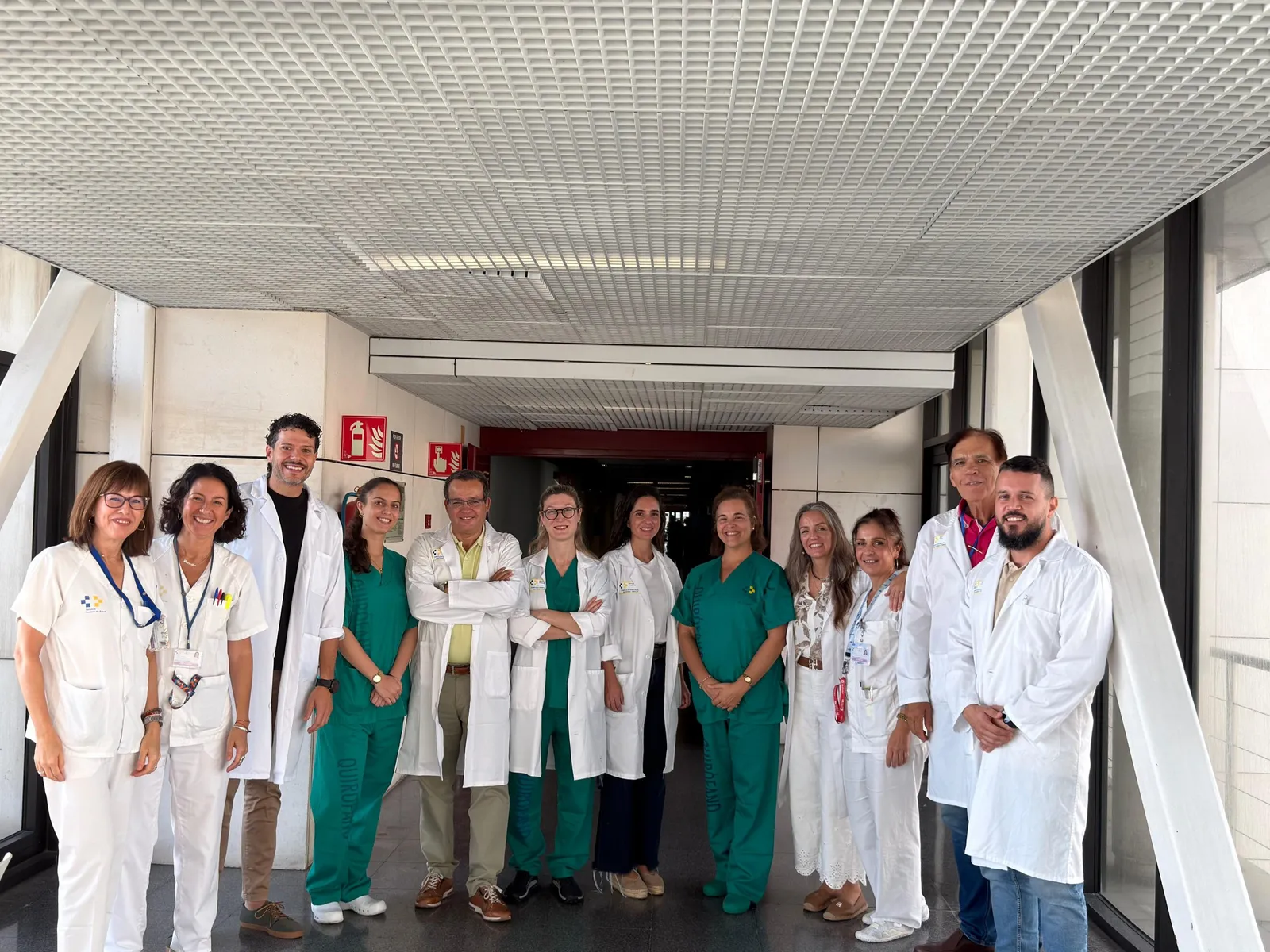
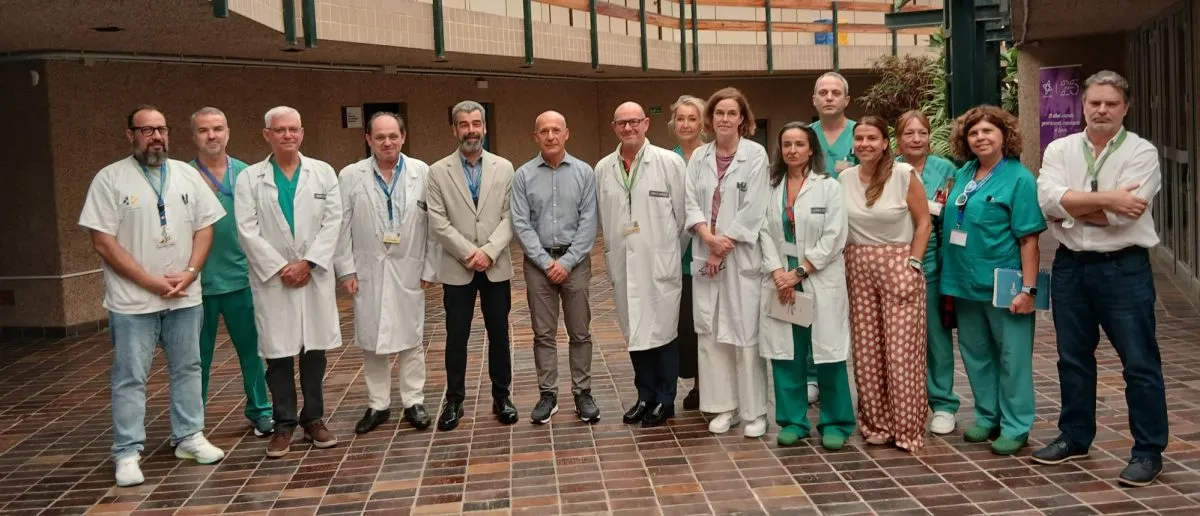
The operation involved the coordinated collaboration of professionals from the HUC and transplant teams from two other mainland hospitals, working synchronously for each stage of the process. The ONT oversaw the exhaustive planning, ensuring the safety of all involved.
The HUC emphasizes the value of altruistic donation as a driver of solidarity, capable of triggering further donations and multiplying opportunities for patients on the waiting list. These chains exemplify cohesion and cooperation within Spain's transplant system.
Nationally, as of September 30th, 387 cross-living donor kidney transplants have been performed in Spain, including exchanges with Portugal and Italy. Thanks to 28 altruistic donors, 92 transplants have been carried out. In the Canary Islands, two individuals have initiated such chains.
A cross-kidney transplant is an alternative for patients needing a kidney who have a willing but incompatible living donor. By exchanging donors between multiple incompatible pairs, each patient can receive a compatible organ. This modality has been successfully developed in countries like South Korea, the Netherlands, the United Kingdom, and the United States.
The national program to promote living kidney donation, launched by the ONT in collaboration with autonomous communities since June 2008, aims to boost living donation given the changing demographic profile of deceased donors. The Spanish protocol was developed by an expert committee.
Exchange options include simple crosses between two pairs, three-or-more-way crosses forming cycles, and chains initiated by an altruistic donor ('good Samaritan'), who can donate directly or start a cross-transplant chain.
Living donor kidney transplants generally offer better organ and patient survival rates than those from deceased donors, and can be performed before the patient requires dialysis.
The HUC has performed 3,521 kidney transplants since its program began in 1981. In 2025, 86 transplants were carried out, 11 of which were from living donors. This year to date, 81 kidney transplants have been performed, 7 from living donors. Living donor transplants at this center total 164, including six cross-donations and eight with blood group desensitization among incompatible pairs.