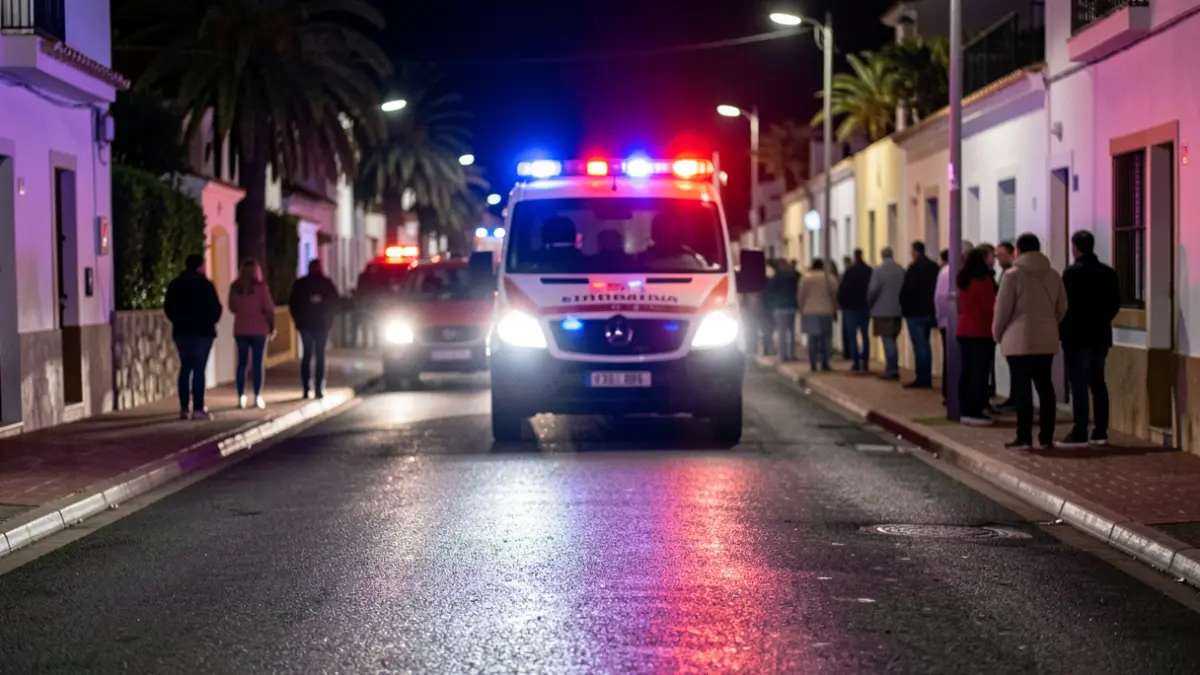
Homelessness has become a public health emergency in Tenerife, where 2,853 individuals are living on the streets. This is the main conclusion of the latest Extreme Residential Exclusion Report, presented by Cáritas Diocesana de Tenerife in collaboration with the Social Action area of the Island Council of Tenerife. The study, led by the organization's research manager, paints a complex social reality that goes beyond mere figures, focusing on the "quite complicated life stories" behind each number.
Although the official figure is similar to that of the previous year, with only a minimal difference, the true scale of the problem is considerably larger. Data collection is limited to intervention teams and individuals seeking help, which excludes a significant portion of the affected population. The report's manager noted that the actual number is likely much higher, as the collected information does not cover the entire scope of the issue.
“"We are especially concerned about the increase in people in the south of the island."
The geographical analysis of the data reveals a worrying concentration in specific areas of the island. The metropolitan area, including Santa Cruz de Tenerife and La Laguna, accounts for 47% of cases. However, the report highlights increasing pressure in the southern zone, particularly in the tourist triangle of Adeje, Arona, and Granadilla, which already represents 26.5% of the total. Puerto de la Cruz, despite its small size, accounts for 9.5%, a percentage that rises to over 11% when considered with the rest of the Valle de La Orotava.
An alarming aspect of the study is the diversification of the homeless profile. Homelessness is no longer exclusive to highly vulnerable individuals but has extended to middle-income segments of the population, such as civil servants and teachers, who cannot access the housing market due to high rental costs. This situation forces them to seek precarious residential alternatives, such as living in caravans.
Among the group traditionally associated with homelessness, health problems are constant, with 41% of those assisted suffering from diagnosed chronic illnesses and 13.2% experiencing severe mental health issues. The harsh living conditions on the streets accelerate physical and mental deterioration.
Although 75% of people experiencing homelessness are men, the report warns about hidden homelessness affecting women (25% of cases). Many women avoid living on the streets at all costs, accepting situations of exploitation and violence to secure shelter.
“"There are women who work only for a bed, to avoid living on the streets."
The report also debunks the myth linking homelessness to immigration, revealing that the majority of homeless individuals in Tenerife are Spanish (52%). Of the remaining 48%, 29.3% are EU citizens with regular residency who have fallen into exclusion due to illness or lack of support networks, and only 17% are in an irregular administrative situation, many of whom are not recent arrivals.