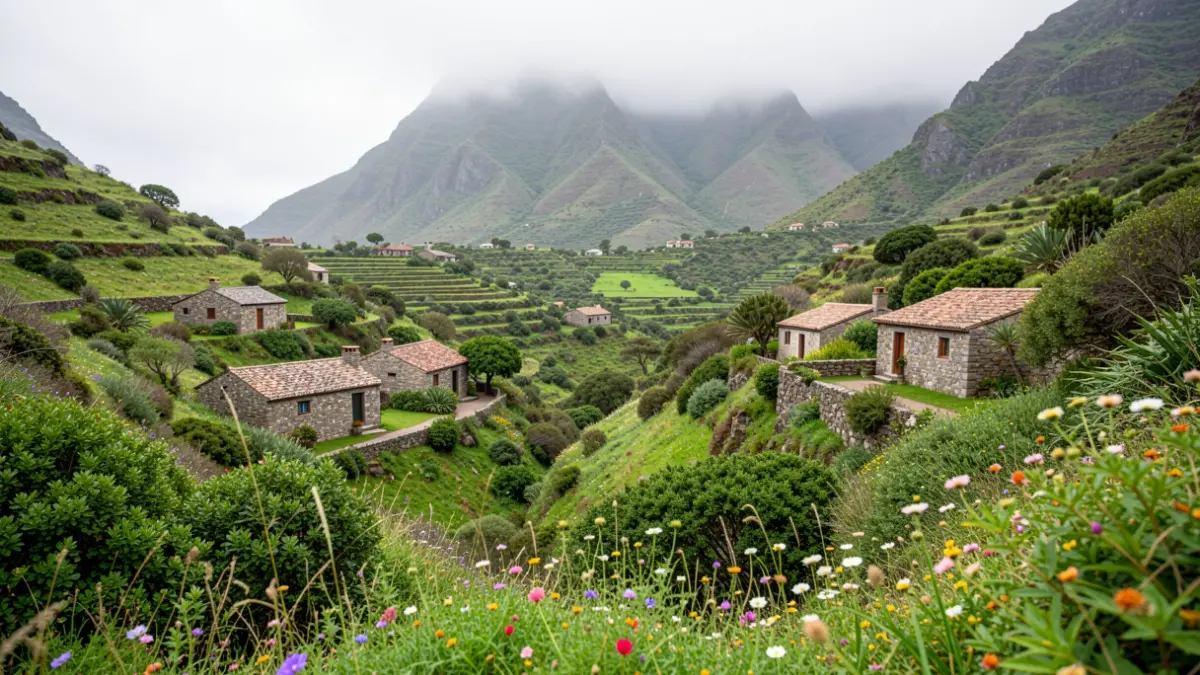
Nestled in the municipality of Los Realejos, beneath the Tigaiga massif, lies La Florida, a verdant spot often confused with its namesake in La Orotava. This picturesque hamlet, dotted with seven or eight houses along a narrow road, has only a couple of permanently inhabited residences. Life in this enclave is reduced to barely a dozen people, reflecting the depopulation affecting many historic places.
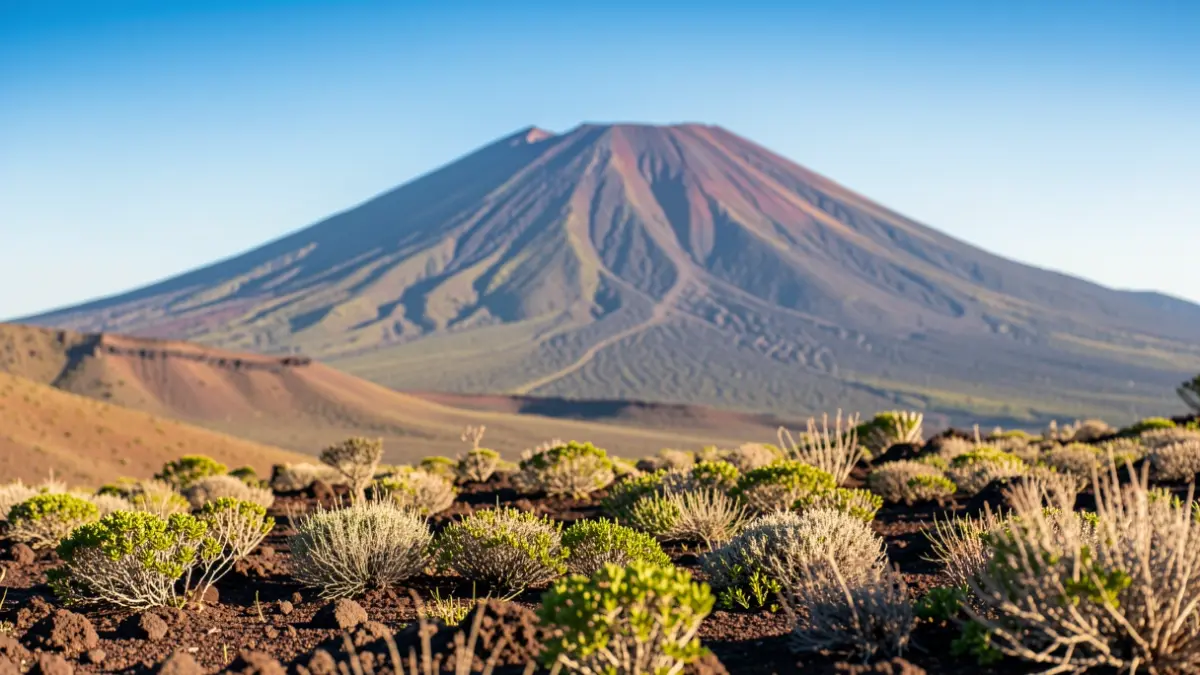
Researcher José Gregorio Hernández González highlights the demographic and natural richness of La Florida. Despite the sparse population, life thrives here, its name evoking its botanical content. Wild lilies, chestnut trees, and remnants of Tenerife's primeval laurel forest create a marvelous and enigmatic landscape, often shrouded in mist that caresses the cliff of La Tarasca. The silence, broken only by the bleating of a goat or the song of birds, fosters a unique atmosphere.
The first official settlers of La Florida were recorded in the 1862 municipal census, bearing the surnames Mosegue, Linares, and Febles. They lived in pajares, typical Canarian dwellings of the time, supplemented by caves. In the late 19th and early 20th centuries, families returning from Cuba settled, building single-story houses with Arab tiles. Descendants of these families still reside in the hamlet, such as José Manuel Hernández González, who proudly states he was born and lives here, just 15 minutes from the center of Los Realejos.
Long before the arrival of the first registered settlers, La Florida was already a Guanche settlement belonging to the Menceyato de Taoro. After the conquest, the area was part of an agricultural structure based on water control, an abundant resource that fueled its development. The place's toponymy, documented by José Gregorio, reveals names like the Garabato ravine, La Hondura, or the cliff of La Tarasca—names at risk of disappearing if oral memory is not preserved.
The chestnut tree was a key element in the economic development of La Florida, forming the basis of basketry. Families would cut branches in winter to make baskets, essential for agricultural tasks and transport. Today, these trees mingle with the laurel forest reclaiming its space. The name La Florida, as the pasodoble 'Islas Canarias' aptly states, reflects its status as a "vergel of unparalleled beauty." The local flowers, such as violets and lilies, provided an economic escape route for many women, who sold them as far as Puerto de la Cruz, professionalizing this trade with the advent of tourism.