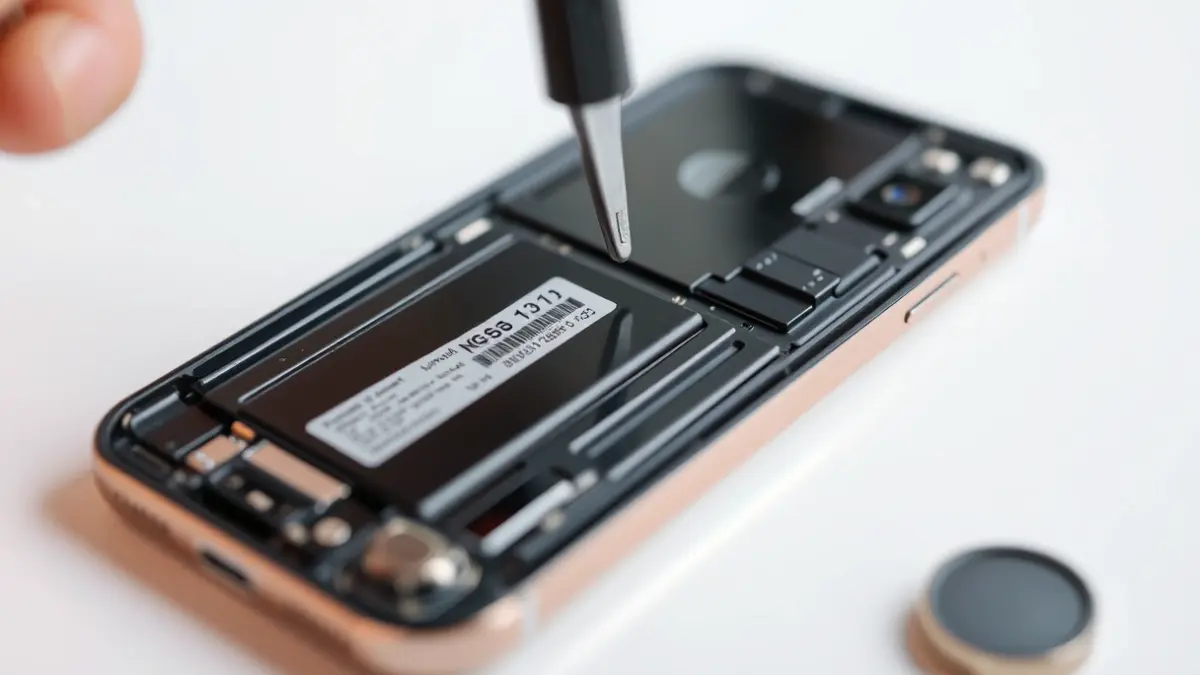
This initiative represents a significant step forward in the fight against planned obsolescence, one of the major challenges in the consumer electronics sector. The goal is to extend the lifespan of devices and minimize the generation of electronic waste.
From 2027, all mobile phones, tablets, and other portable electronic devices sold within European territory must comply with these new guidelines. This means manufacturers will need to redesign their products to facilitate the extraction and replacement of batteries by the user themselves.
While this measure might seem like a step back in design, manufacturers face the challenge of innovating to balance ease of repair with the aesthetics of devices, which have become increasingly thin and light. The regulation does not aim to revert to older designs but rather to promote durability and sustainability.
In addition to battery replacement, the legislation requires manufacturers to offer spare parts for at least 10 years and provide detailed repair manuals. Devices must also be designed to be disassembled with common tools, thereby enabling easy and affordable home repairs for users.