Long before modern medicine, the ancient inhabitants of the archipelago already faced lethal pathogens arriving on European ships. What began as a process of evangelization and conquest transformed into a biological challenge that decimated the aboriginal population and left an indelible mark on the development of the island cities.
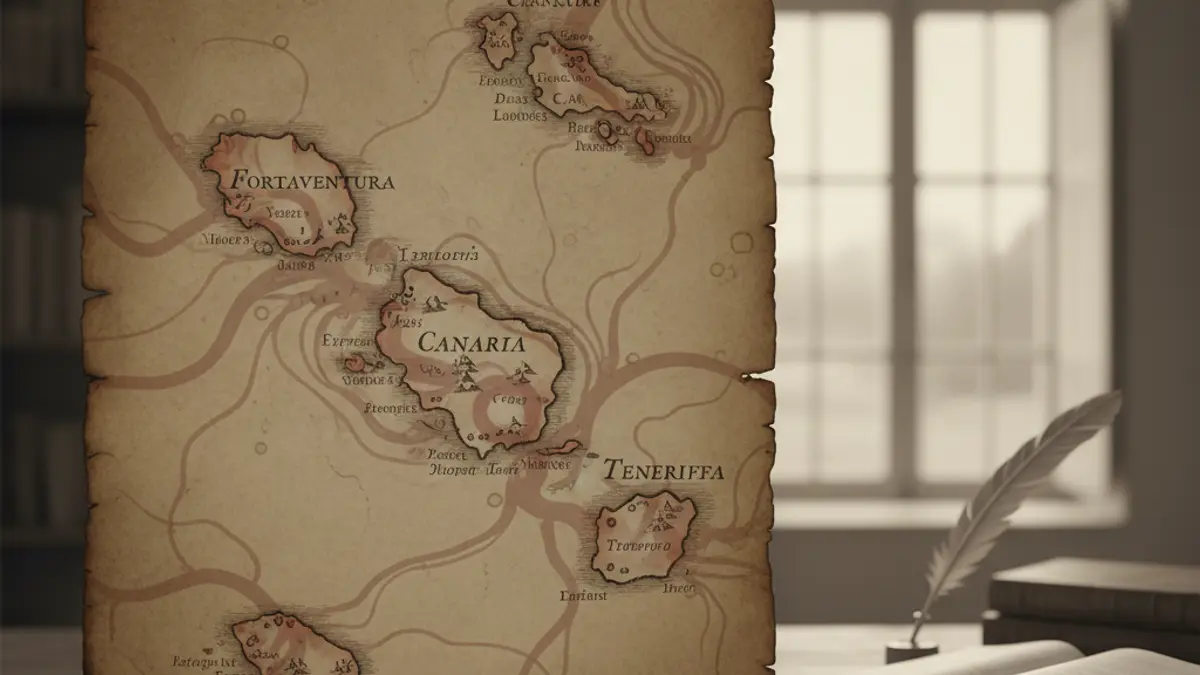
Ethnohistorical sources already point to strange outbreaks in Gran Canaria from the 14th century, possibly introduced by Mallorcan monks. The islanders, unable to comprehend the science, interpreted these deaths as divine punishment. However, the most documented and tragic episode would arrive during the conquest of Tenerife: the so-called “Guanche lethargy”.
Between the autumn of 1494 and the winter of 1495, a mysterious disease known as the “lethargy” claimed the lives of some 5,000 aborigines in Tenerife.
The historian Viera y Clavijo described it centuries later as a mixture of malignant fevers and a venomous lethargy. This virus, similar to an acute flu, was an unexpected ally for the Castilian troops. While the Guanches died by the thousands after their victory in Acentejo, the conquerors saw the epidemic as a “miracle” sent to facilitate their victory. This was the first major example of how epidemics acted as a decisive factor in the geopolitics of the time, allowing the total control over the island of Tenerife to be accelerated.
With the consolidation of the modern era, contagious diseases became “periodic and repetitive,” as explained by historian Pedro Quintana Andrés. Three great shadows haunted the Canarians for centuries: the bubonic plague, yellow fever, and cholera morbus. The plague of 1582 in Tenerife is one of the most fascinating chronicles. Tradition says that its origin was in oriental tapestries brought from Flanders by the governor, although recent investigations suggest that the real focus was a ship from Las Palmas that did not comply with quarantine. The virulence was such that between 5,000 and 7,000 people died, a terrifying figure for a population that barely reached 20,000 inhabitants.
Given the lack of hospitals, containment measures were extreme, including sanitary cordons between La Laguna and Santa Cruz, exemplary punishments for those who broke isolation, and coastal surveillance to prevent unauthorized landings of goods.
The 19th century brought no respite. In 1851, Gran Canaria experienced one of its worst chapters with cholera morbus, which left some 6,000 dead. It is said that the patient zero was a laundress from the San José neighborhood who became infected while handling the clothes of crew members from a ship coming from Cuba. The saturation was such that the sandy areas of Las Palmas became immense mass graves.
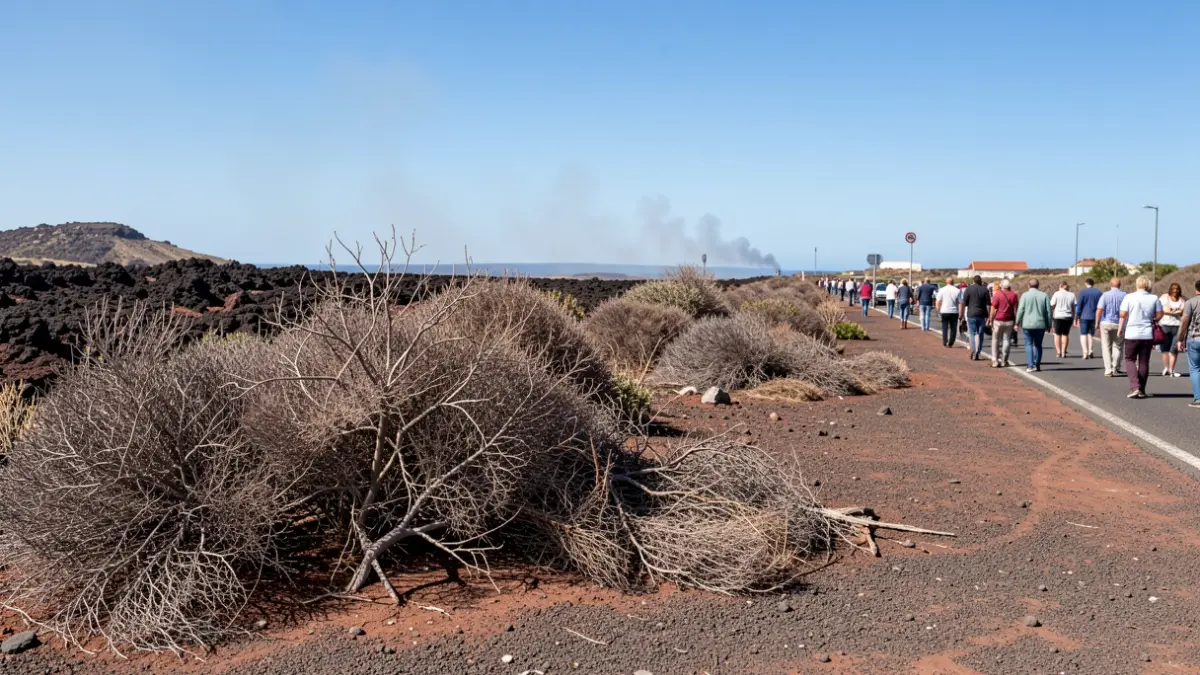
In Fuerteventura and Lanzarote, the situation was different but equally tragic. There, more than foreign ships, the great enemy was the “hunger epidemic.” Prolonged droughts caused chronic malnutrition that made the population vulnerable to any local pathogen like typhus. The majorero councils, aware of their fragility, closed the ports of El Tostón or Pozo Negro whenever a new outbreak was rumored in the capital islands.
The rapid spread of epidemics in the Canary Islands is explained by the unsanitary state of the cities. According to professor Manuel Lobo, the lack of hygiene was absolute: loose animals, accumulated garbage next to houses, and the custom of burying the dead inside churches turned urban centers into death traps. With barely one or two doctors per island, who only had bloodletting and herbs at their disposal, the fate of the sick was almost always left to faith and prayers to the Virgen de Candelaria or the Cristo de Vera Cruz.