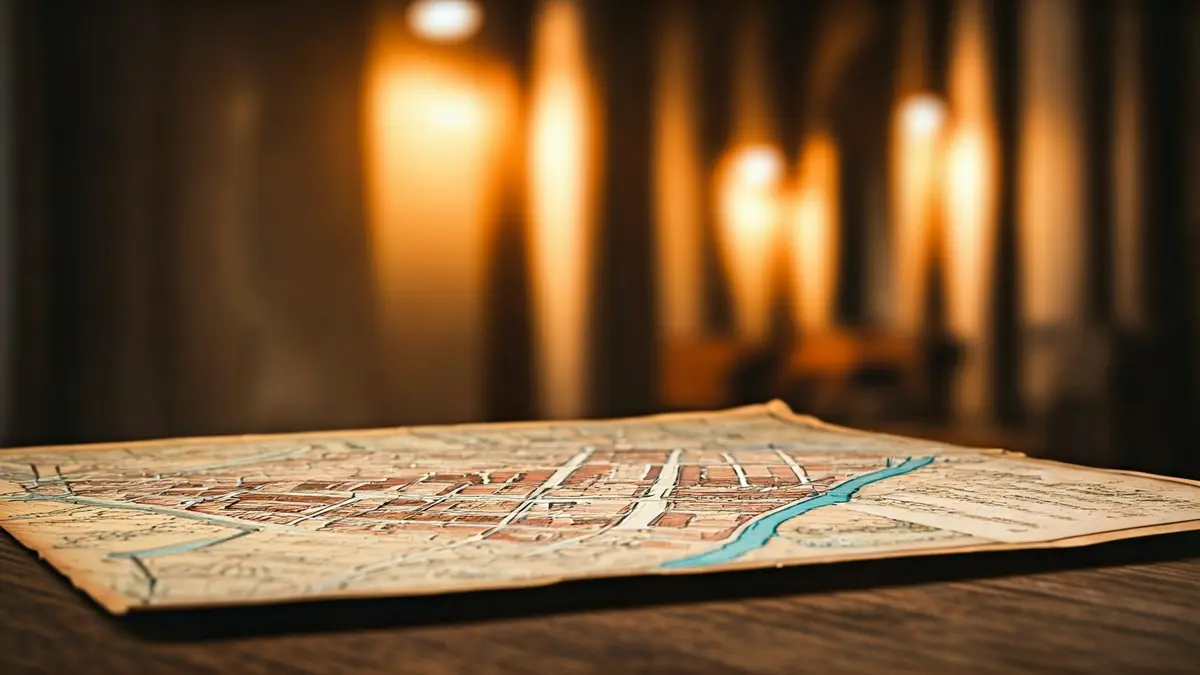
The seminal work by the Cremonese engineer Leonardo Torriani, created between 1588 and 1592 under commission from King Philip II, and featuring the first territorial representation of the Canary Islands, has now arrived in the archipelago. While not the original, it is a meticulously reproduced facsimile—even showing damage from wood-boring insects—of the pristine document preserved at the University of Coimbra, Portugal.
Considered one of the most valuable historical heritage testimonies of the Canary Islands, the work includes over 60 illustrations covering island maps, coastal profiles, city and town plans, ethnographic scenes, fortifications, traditional costumes, and elements of civil and military architecture. This masterpiece was a gift to history from the multifaceted Torriani, who was an engineer, architect, historian, geographer, and cartographer.
The initiative to reproduce this document began before the celebration of the 25th anniversary of La Laguna's declaration as a World Heritage City. The original's fragility prevented its transfer, leading to the decision to create a facsimile. Historian Néstor Verona coordinated the project, while conservator and restorer Katarzyna Zych handled the technical work.
It is an exceptional document that combines engineering, cartography, art, and naturalistic observation, offering the first systematic and rigorous view of the geographical, social, and defensive reality of the Canary Islands in the 16th century.
The facsimile, crafted by hand using Japanese paper, faithfully reproduces every illustration, marginal note, and mark of time from the original. The aim is to allow the study and contemplation of the work as it has survived to this day. The public will be able to view this text from mid-May at the Casa Anchieta, next to the Plaza del Adelantado. Additionally, the work is expected to tour other Canarian cities depicted in its pages, such as Las Palmas de Gran Canaria, Santa Cruz de Tenerife, Santa Cruz de La Palma, Teguise, Garachico, and San Sebastián de La Gomera. The reproduction cost is estimated at around 6,000 euros, according to the Councilor for Cultural Heritage, Adolfo Cordobés.
The presentation was attended by the deputy director of the Faculty of Letters at the University of Coimbra, João Luís de Jesus Fernandes, whose involvement was crucial for La Laguna to acquire this facsimile. The University of Coimbra considers it an honor to contribute to La Laguna's access to a work that is part of its historical identity, strengthening a historical relationship that extends into the future with new cultural and academic initiatives.