Ophthalmologists are alerting to the risk of suffering from solar retinopathy, an injury that can cause irreversible damage to the retina, by looking directly at the sun during the upcoming solar eclipse on August 12, 2026, which will be partially visible in the Canary Islands. Professionals from the Canary Health Service (SCS) emphasize that the decrease in ambient light does not reduce the danger; on the contrary, pupil dilation can increase the amount of radiation entering the eye.
Solar retinopathy primarily affects the macula, responsible for central vision. The damage may occur without immediate pain, making the person unaware of the exposure. Symptoms such as blurred vision, spots in the visual field, image distortion, changes in color perception, and loss of visual acuity can appear hours or days later, and in some cases, the injury is irreversible.
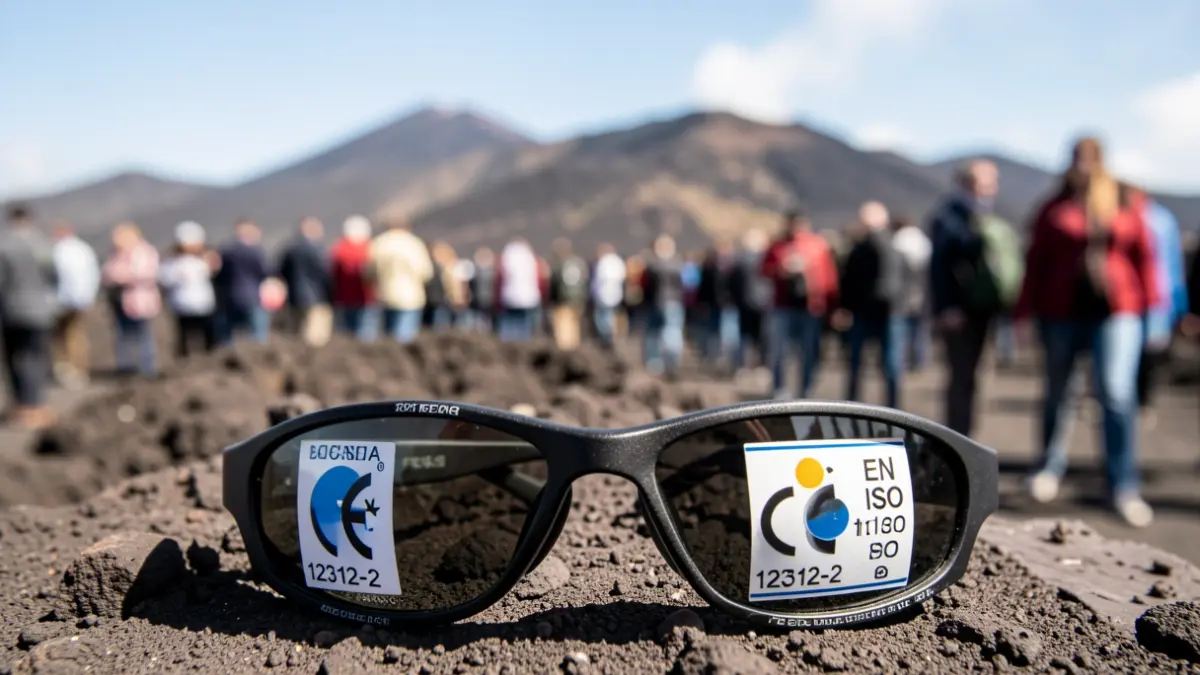
The only safe way to observe the eclipse is by using specific solar viewing glasses or viewers that comply with the EN ISO 12312-2 standard and bear the CE mark. Observation should be intermittent, and for children, constant supervision by an adult is required to ensure correct use of protection.
Conventional sunglasses, even very dark ones, are not safe for viewing the eclipse. X-rays, smoked glass, homemade filters, or other non-certified materials are also not recommended. Telescopes, binoculars, and cameras require specific solar filters on the front lens, and eclipse glasses are insufficient when looking through these instruments.
Professionals from La Candelaria remind us that eye protection is necessary year-round, but summer increases the risks of dry eyes, irritation, conjunctivitis, keratitis, and infections due to sun exposure, heat, air conditioning, and swimming pool and sea water. The most vulnerable groups include children, the elderly, contact lens wearers, people with dry eye, and those who have recently undergone eye surgery.
Actinic keratitis or photo-keratitis is a corneal burn caused by ultraviolet radiation that can cause intense pain, tearing, redness, and high sensitivity to light. Continuous exposure to UV radiation is also associated with cataracts and other eye surface disorders. It is advised not to direct air conditioning directly at the eyes and to use artificial tears if necessary. When swimming, wearing goggles and not opening eyes underwater is recommended. Hygiene is crucial to prevent infections, especially in shared spaces.
Swimming with contact lenses is discouraged due to the risk of serious infections from water microorganisms, such as Acanthamoeba infection. Sunbathing with contact lenses is also not recommended, as heat and lack of hydration increase the risk of corneal ulcers. In case of any pain, vision loss, or irritation after observing the eclipse, medical evaluation should be sought.