Direct observation of the solar eclipse, which will be partially visible from the Canary Islands, can cause solar retinopathy, an injury to the macula responsible for central vision. Ophthalmologists warn that the reduction in ambient light during the phenomenon causes the pupil to dilate, allowing more solar radiation to penetrate the eye.
The damage may initially be asymptomatic, with symptoms such as blurred vision, spots in the visual field, or altered color perception appearing hours or days later. In some cases, the injury can be irreversible.
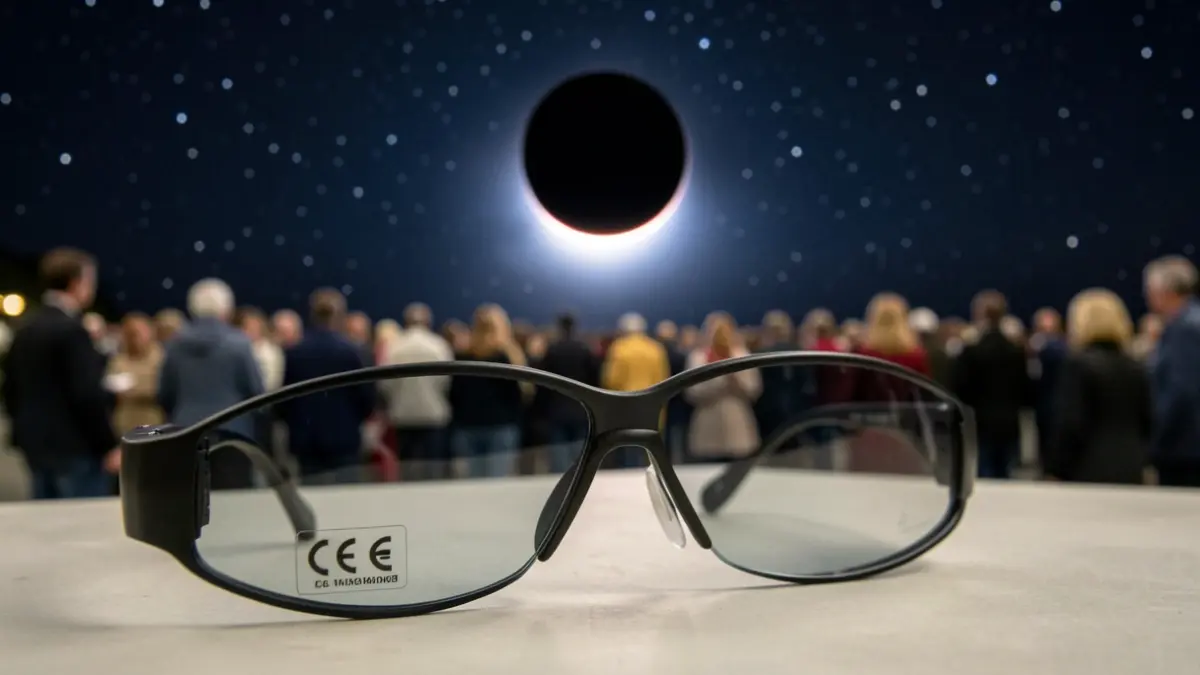
“"The only safe way to look directly at the eclipse is to use glasses or viewers specifically designed for solar observation that comply with the EN ISO 12312-2 standard and have the corresponding CE marking. There is only one way to look at it, and that is with certified protection, whether it's glasses or an eclipse viewer."
The use of conventional sunglasses, X-rays, smoked glass, or homemade filters is strongly discouraged. It is also not safe to observe through cameras or mobile phones without adequate filters, as concentrated radiation can damage both the device and the eyes. For children, adult supervision and specific solar filters for telescopes or binoculars are required.
The specialists also remind the public about the importance of eye care throughout the year, especially during summer. Solar exposure, heat, air conditioning, and pool or sea water can cause dry eyes, irritation, and conjunctivitis. Actinic keratitis, a burn on the cornea caused by ultraviolet radiation, is one of the injuries linked to solar exposure, manifesting with pain, tearing, and redness.
It is recommended to avoid sun exposure during peak hours, use certified sunglasses (grade 3 or 4), and protect children's eyes from an early age. Other guidelines include avoiding direct air conditioning on the eyes, using artificial tears if necessary, and not drying eyes with towels. Contact lens wearers are also advised against sunbathing with lenses in or wearing them on long flights to prevent dryness.