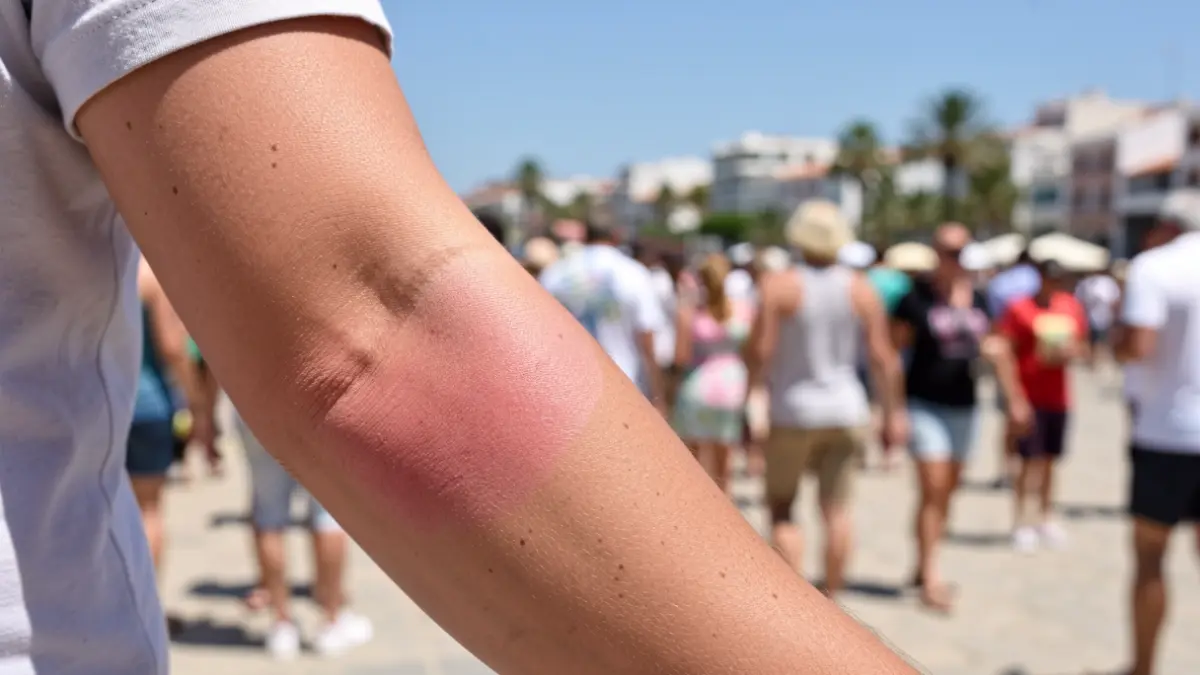
Dermatologist Marina Rodríguez has noted an increase in sunburns and the reactivation of photosensitive diseases among patients. The doctor emphasizes that sunscreen alone is insufficient for prolonged exposure, especially during peak sun hours in a region like the Canary Islands with high ultraviolet radiation.
Following recent large-scale events in Tenerife, specialists are observing a surge in skin conditions linked to excessive UV radiation. Common issues include sunburns and the worsening of conditions such as rosacea, cutaneous lupus, and polymorphous light eruption.
“"People tend to associate sun protection solely with sunscreen, but when someone stays in the sun for many hours, especially in the Canary Islands during peak radiation times, sunscreen alone is not enough to prevent skin damage."
Consultations include burns on commonly exposed areas like the nape of the neck, feet, forearms, and ears. Dr. Rodríguez explains that these areas receive direct and cumulative radiation, and sunscreen is often not reapplied frequently enough.
The College of Physicians of Tenerife reminds the public that ultraviolet radiation can trigger immunological and inflammatory responses, exacerbating pre-existing conditions. The island, due to its latitude, sunshine, and light reflection, experiences high ultraviolet radiation levels, surpassing many European regions.
Experts advocate for a multi-faceted sun protection strategy, including broad-spectrum sunscreens (SPF 50+), reapplication every two hours, protective clothing, wide-brimmed hats, and certified sunglasses. Umbrellas are highlighted as a crucial supplementary measure, particularly for large events.
With more large-scale events anticipated, it is recommended to avoid prolonged exposure between 12:00 PM and 5:00 PM, take frequent breaks in shaded areas, stay hydrated, and specifically protect exposed areas. Excessive sun exposure also accelerates skin aging and increases the long-term risk of skin cancer.