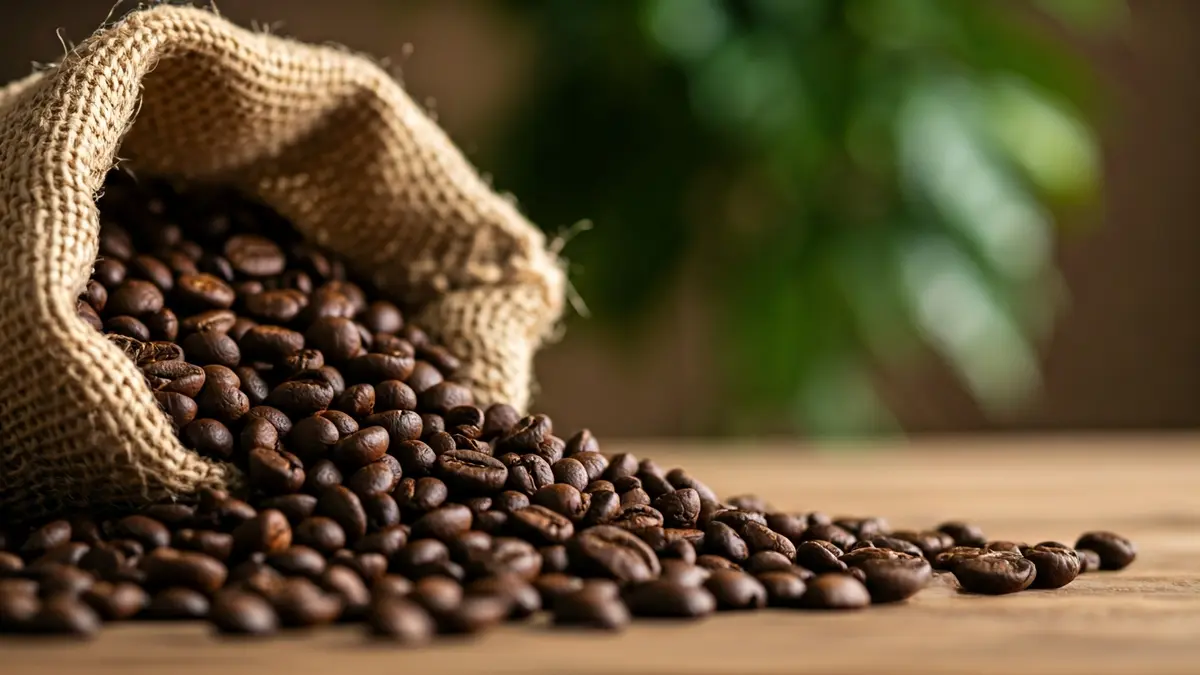
What was once a quick stop for a cortado or barraquito has evolved into a deeper, more conscious experience. Increasingly discerning Canarian consumers seek to understand the bean's origin, roast type, and preparation methods, broadening the conversation around this beverage.
This evolution is evident in various projects across the archipelago. In Tenerife, roasters like JR Roasters and Blend Coffee Roasters, the latter in the south of the island, lead the offerings with coffees from diverse origins and a focus on traceability. JR Roasters, with its The Home space in Santa Cruz, even provides freshly canned cold brews. Other establishments such as We The North, with locations in La Laguna and Santa Cruz, and Slow Coffee Tenerife, in the north, combine specialty coffee with bakery items and a commitment to sustainability.
In Las Palmas de Gran Canaria, Cuptural and Cool Beans stand out for their work from roasting to direct sales, offering a wide selection of origins and spaces that foster community. Meanwhile, in La Palma, El Café de Don Manuel has developed a comprehensive project with freshly roasted coffees, an online store, and a presence in other locations like Zulay in La Laguna, reinforcing the Palman identity of the product. From Los Abrigos, in southern Tenerife, Guayota Coffee Roasters focuses on artisanal roasting and freshness.
A distinctive aspect of this coffee culture in the Canary Islands is local cultivation. The Agaete Valley, in Gran Canaria, is the epicenter of this tradition, producing one of Europe's most unique coffees. With a history dating back to the 18th century, this valley keeps alive an artisanal agriculture, cultivating the Typica variety under the shade of fruit trees and using a completely manual process. The limited production, around 1,500 kilograms annually, underscores its exclusive character and enhances the value of the coffee chain in the islands.