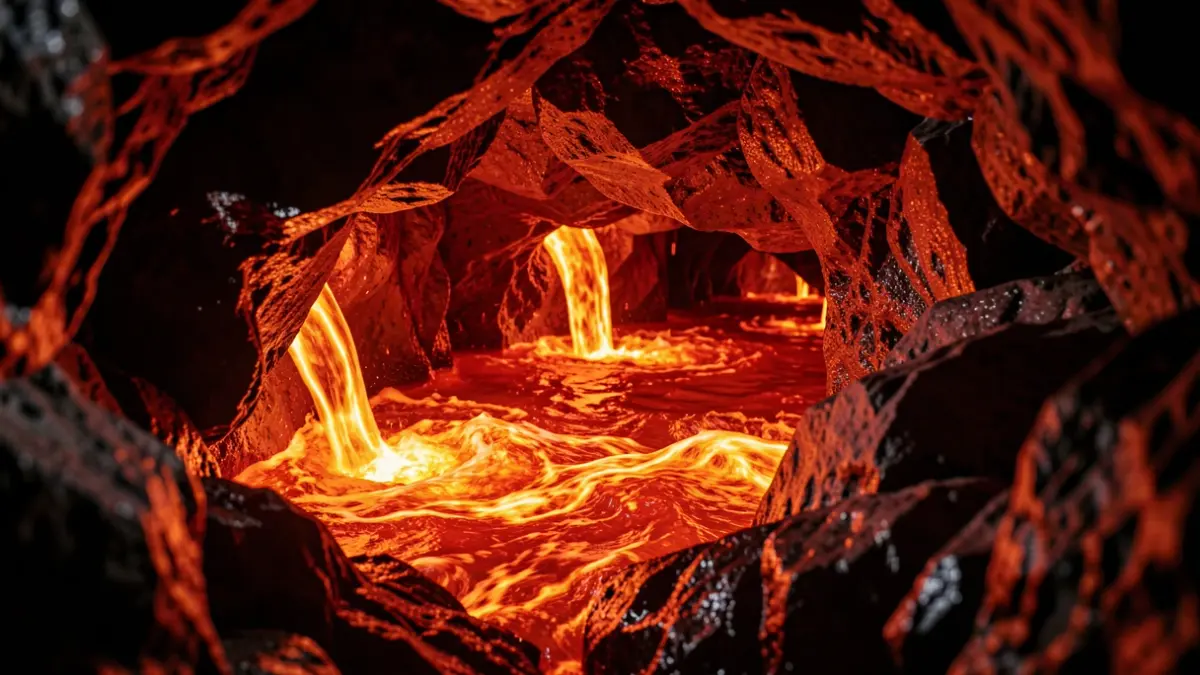
Drilling operations within the Geothermal Energy of Tenerife project have revealed solid indications of heat and high pressure three kilometers underground, opening the possibility of producing electricity from geothermal energy. This initiative, co-funded by the Institute for Diversification and Energy Saving (IDAE) and the European Union's Next Generation funds, has concluded a four-month exploration phase that could transform the island's energy landscape.
During the project's presentation, various officials including the regional president, Fernando Clavijo; the head of the Tenerife Island Council, Rosa Dávila; Secretary of State for Energy, Joan Groizard; DISA executive Demetrio Carceller; Reykjavík Geothermal CEO, Magnus Ásbjörnsson; and the mayor of Vilaflor, Agustina Beltrán, highlighted the technology's economic potential. They emphasized that reducing reliance on imported oil is not only an environmental goal but also a direct path to lowering electricity bills for Canary Islands residents.
The next phase of the project involves determining the amount of energy that can be consistently extracted and how to finance the capture infrastructure. Both institutions and private companies involved have stressed the need for a tailored regulatory framework to provide investor confidence. Secretary of State for Energy, Joan Groizard, noted that these discoveries will inform state-level regulations, while Rosa Dávila and Demetrio Carceller urged the central government to approve a guaranteed tariff for geothermal electricity.
Demetrio Carceller referenced precedents in the Azores Islands and Germany, where renewable energy legislation sets fixed tariffs to mitigate the high economic risk of drilling the Earth's crust. Magnus Ásbjörnsson, meanwhile, advised proceeding with maximum technical precision, despite optimistic figures for permeability, compression, and temperature.
Unlike solar or wind power, geothermal energy is not weather-dependent, flowing 24 hours a day, 365 days a year. In the Canary Islands' electrical system, where around 80% of power is still generated from oil derivatives, a constant source like geothermal could stabilize the grid and lead to annual savings of over 130 million euros, according to consortium forecasts.
Both the mayor of Vilaflor and island councilor Mariano Hernández Zapata highlighted that the extraction zone will not only gain economic activity but also become a hub for scientific knowledge related to the region's ecological transition. The entity managing the work, comprising the Tenerife Island Council (through ITER and INVOLCAN), DISA, and Reykjavík Geothermal, has already secured a public investment of 43.2 million euros within a 100 million euro roadmap aimed at positioning Tenerife as a leader in geothermal implementation across Spain.