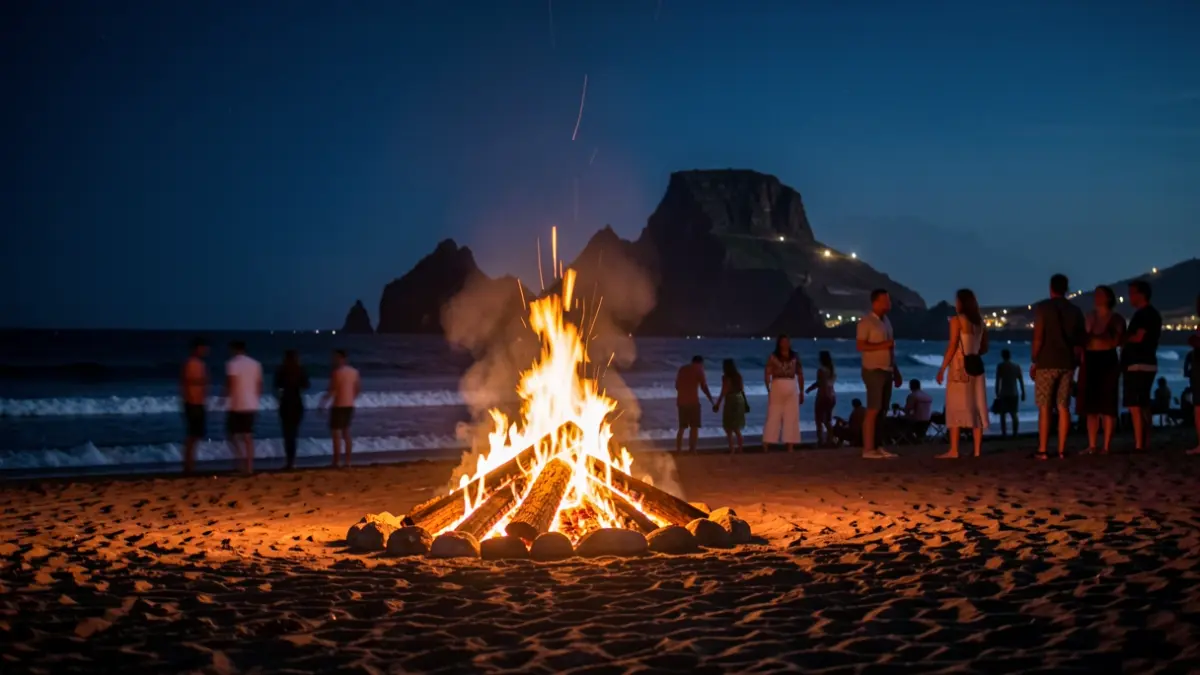
The island corporation has issued preventive recommendations to ensure safety during Tuesday night, emphasizing the importance of the precautionary principle when handling fire, especially in forest areas.
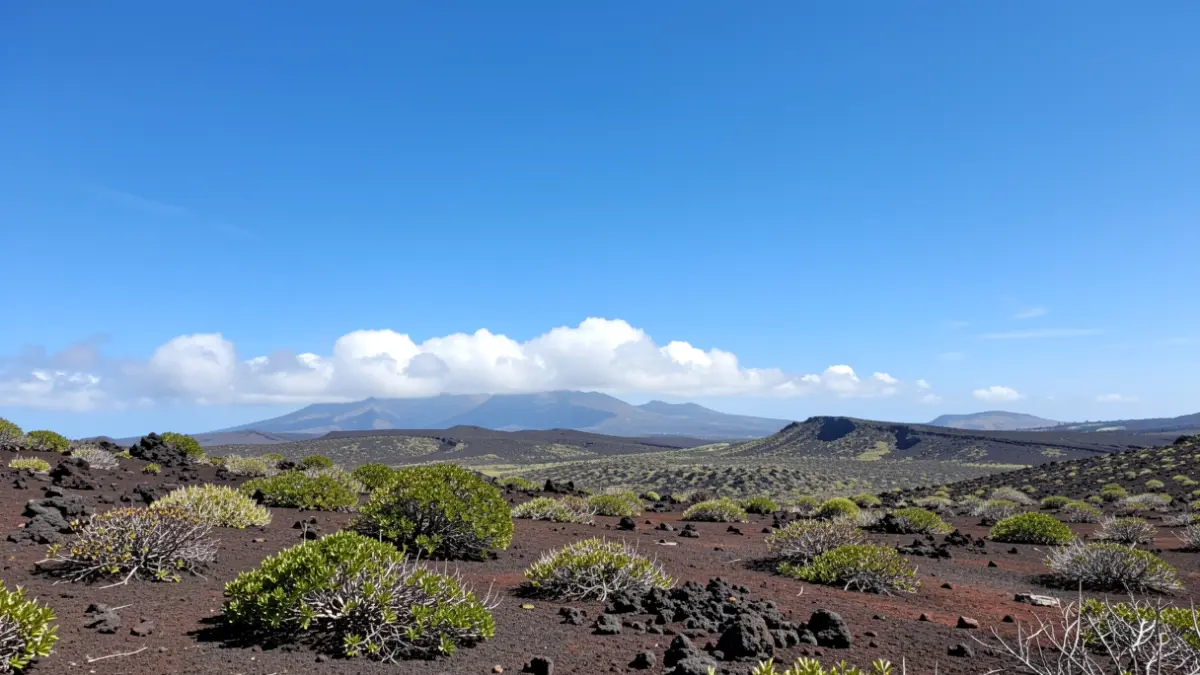
The Minister of Environment, Sustainability, and Security and Emergencies, Blanca Pérez, recalled the need to request permits from local councils and highlighted that, as a general rule, bonfires are prohibited in forest areas, only being authorized if they have a safety plan and adequate resources.
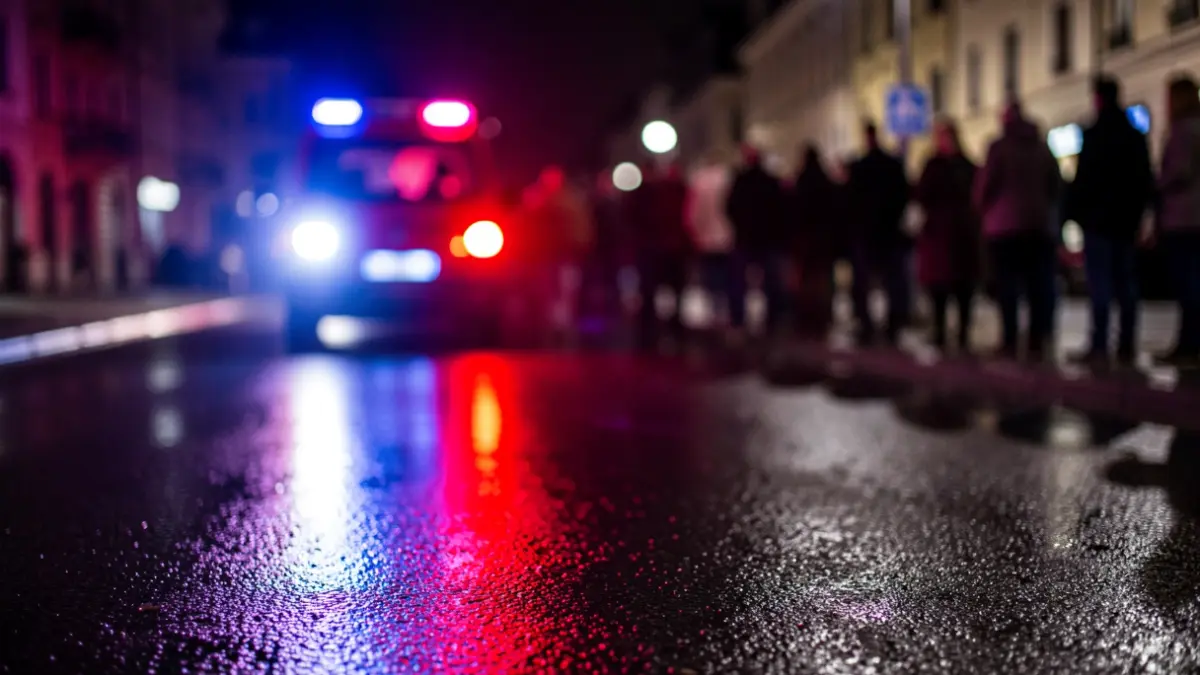
The insular director of Security and Emergencies, Iván Martín, announced a special operation involving the Consorcio de Bomberos de Tenerife, Volunteer Firefighters, and the Forest Fire Brigades (Brifor), who will deploy 65 professionals, 50 volunteers, and 37 Brifor personnel. Support will be provided to local police forces and Civil Protection groups.
Martín stressed the need for common sense and safety from residents, urging them to follow the recommendations from public administrations.
Outside of risk zones, it is mandatory to notify the relevant Town Hall in writing about the bonfire celebration, indicating the location and the name of an adult responsible person. It is recommended to contract Civil Liability insurance.
The Cabildo reminds the public that burning non-vegetable waste that can emit polluting gases is prohibited, as are containers with flammable products. These should be taken to recycling centers or regular trash bins.
Basic recommendations include clearing a three-meter perimeter around the bonfire, creating a safety zone for spectators, positioning it away from flammable vegetation and public roads, not placing it near buildings or power lines, not exceeding 1.50 meters in height, having a water hose, and avoiding the use of flammable materials like gasoline.
Once finished, the bonfire must be completely extinguished with water, with the applicant being responsible for its control.