The recent invitation from Venezuela's Vice President, Delcy Rodríguez, for the diaspora to return to their nation has sparked a strong reaction among Venezuelans residing abroad. Despite promises of a “safer country” and an acknowledgment of “Chavista model errors,” the executive aims to repatriate over eight million emigrants. However, for the nearly 85,000 Venezuelans living in the Canary Islands, with over 50,000 concentrated in Tenerife, skepticism and caution are the predominant responses.
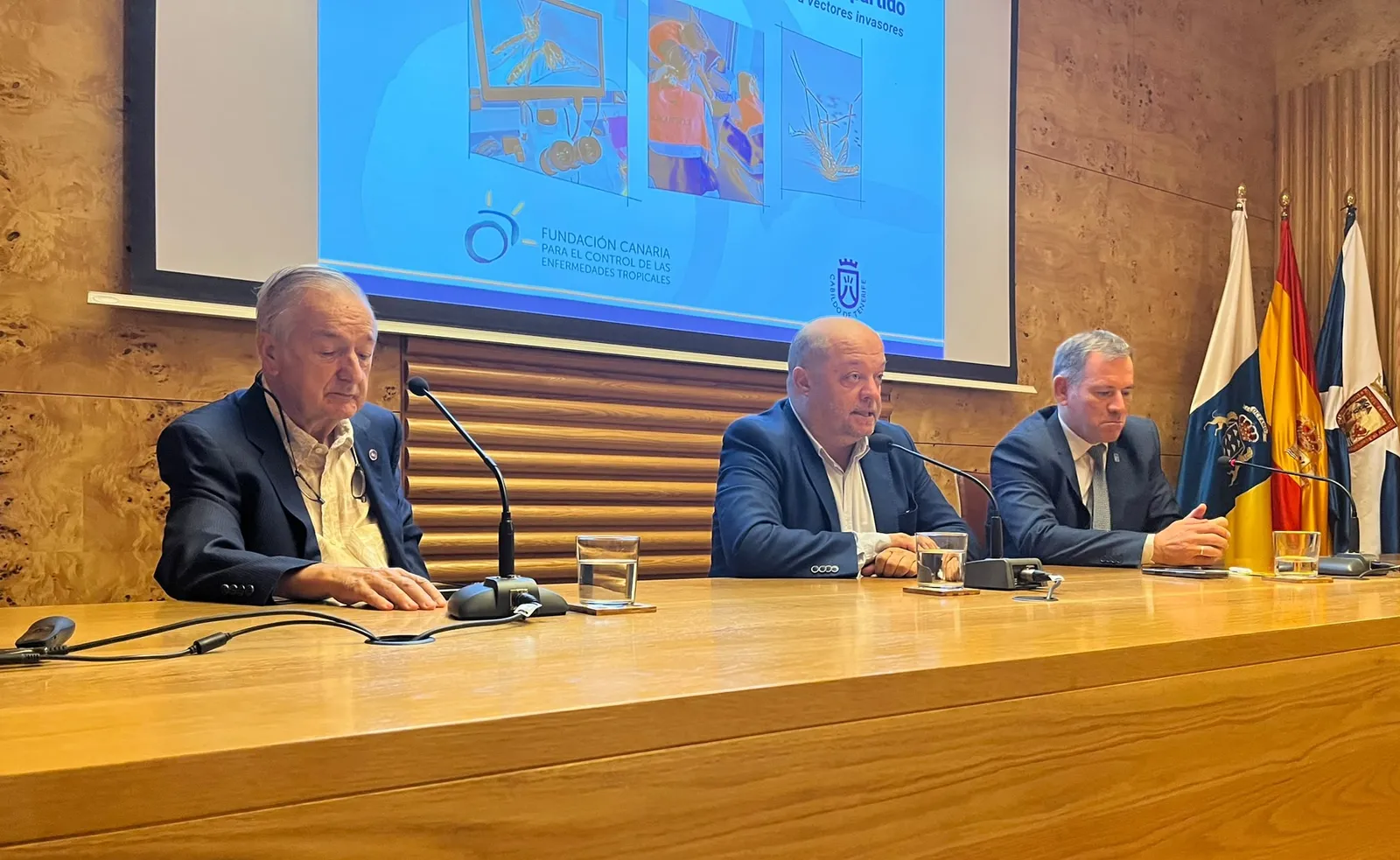
Máximo Díaz Estébanez, coordinator of Voluntad Popular de Venezuela in the Canary Islands, has been one of the most representative voices of this sentiment in the archipelago. In statements to Herrera en COPE Tenerife, Díaz labeled Chavista spokespersons, including Delcy Rodríguez, as “demagogues” who “boast about certain changes that have yet to materialize.” According to his analysis, the call to return “will have very little reach among our compatriots,” who demand tangible guarantees beyond political slogans.
“"No one is going to return to their country or change jobs to earn less money"
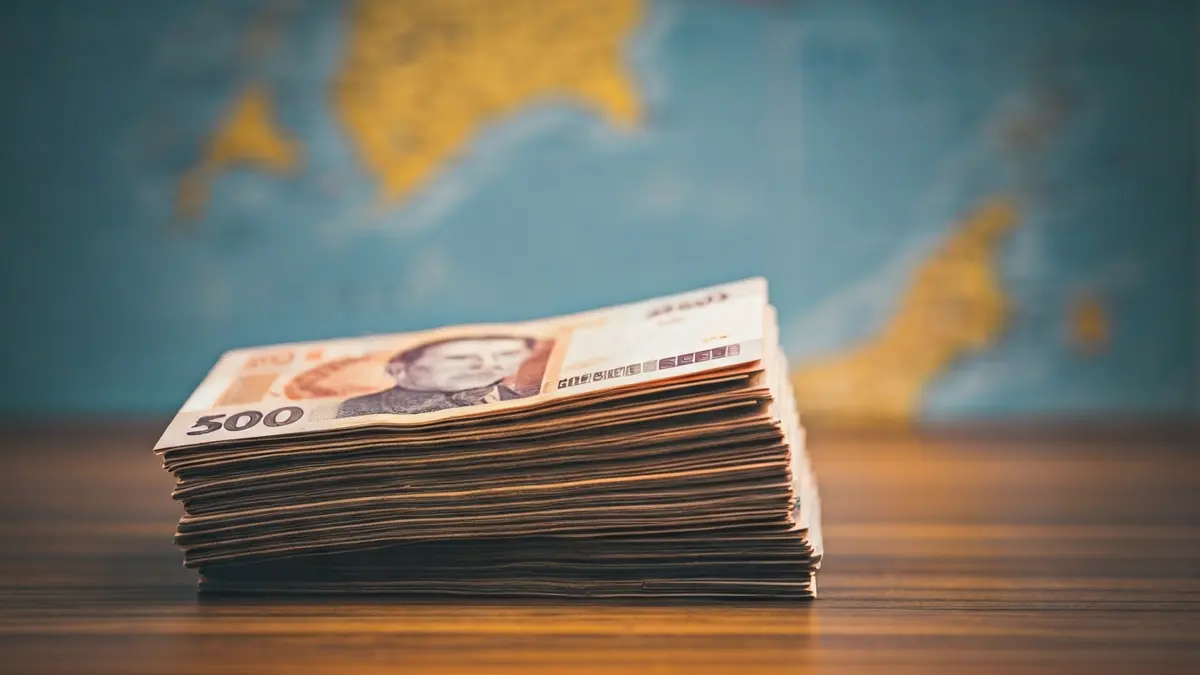
The main obstacle, according to Díaz, is purely economic. The situation of the Venezuelan currency and purchasing power are clear evidence that conditions are not adequate. A recent report places the cost of the basic food basket in Venezuela at around 500 dollars, while the average real income is 100 or 150 dollars, making life in the country unfeasible.
Changes in Venezuela since the fall of Nicolás Maduro on January 3 have been slow. Díaz estimates that “not even 10 percent of what is necessary for Venezuela to normalize” has been achieved. This slowness is due to the complexity of dismantling a power structure that Chavismo built over 27 years, requiring time and a “considerable injection of money” to rescue devastated basic service infrastructures.
“"Only 10% of the necessary changes have occurred"
Despite the lifting of sanctions and the reestablishment of relations with the Trump administration, the Venezuelan opposition claims that “the Chavista apparatus remains intact.” Máximo Díaz clarifies that a power readjustment is taking place, allowing certain figures to remain while others have been removed. This process is not without tensions, with visible social discontent in the streets and protests that have been forcefully repressed, fueling distrust among those observing from a distance.