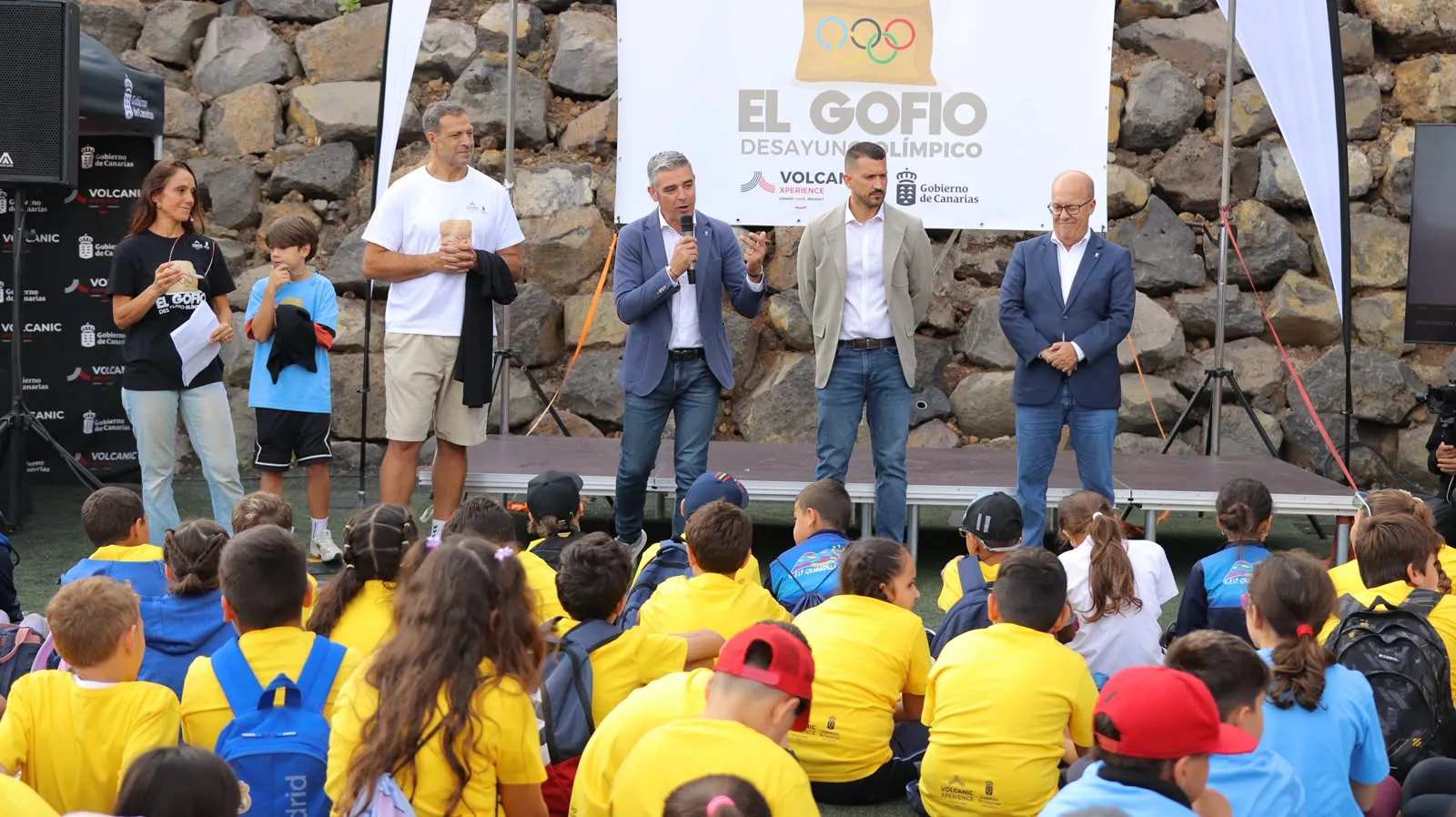
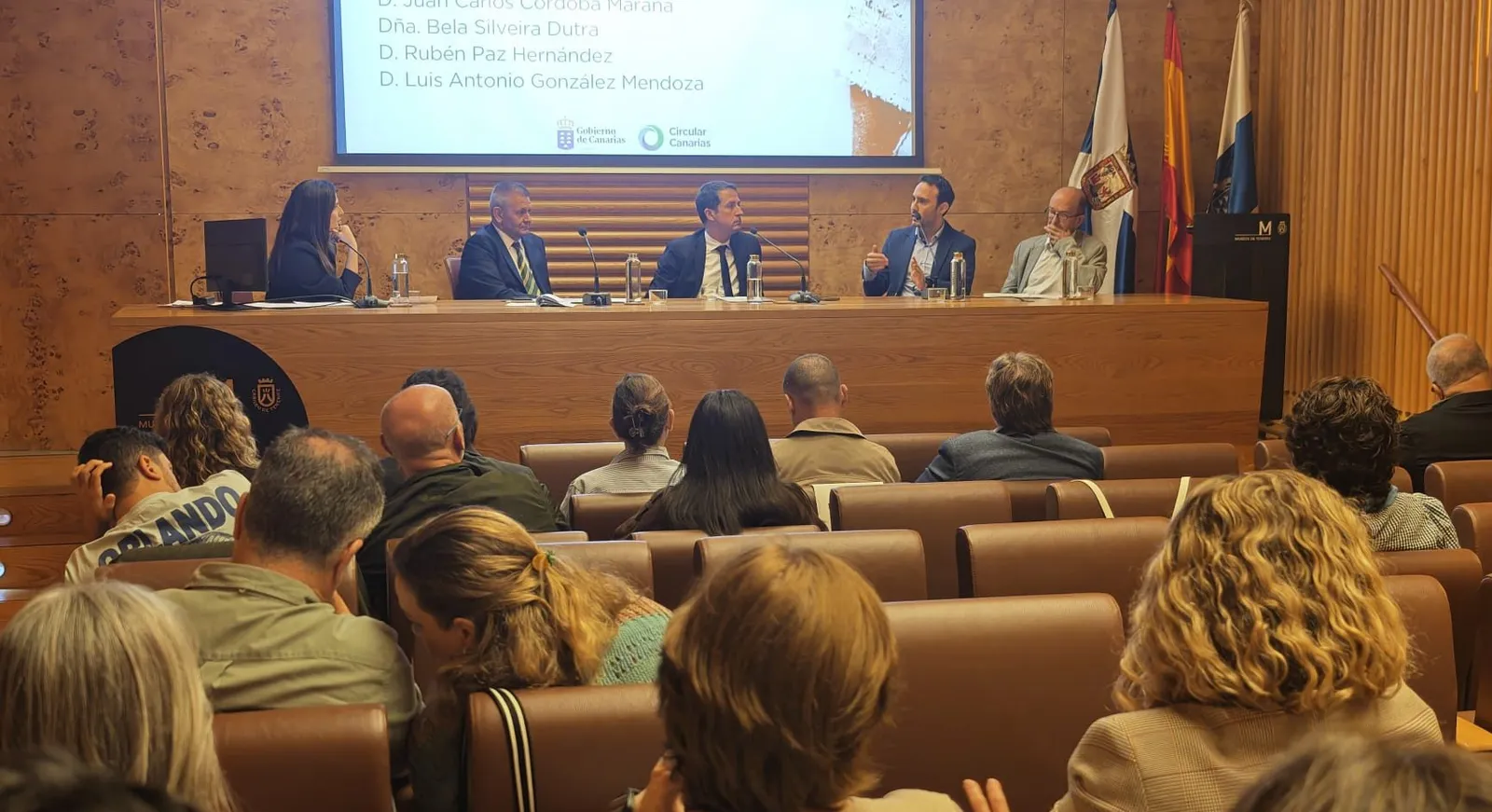
The event, organised by the Department of Ecological Transition and Energy under the direction of Mariano H. Zapata, took place at the Nature and Archaeology Museum (MUNA) in Santa Cruz de Tenerife. The meeting brought together representatives from public administrations, universities, textile companies, waste managers and social economy entities to address the challenges of sustainable resource management in the archipelago.
The Director General of Environmental Quality, Ángel Montañés, highlighted the importance of transforming waste into resources capable of generating economic, environmental and social opportunities. Montañés stated that the Canary Islands Government has met the objectives of the Circular Economy Plan 2024-2026 and confirmed that work has already begun on the next plan for the 2027-2030 period to strengthen collaboration with various sectors.
“"The transition to a circular economy cannot be done solely by administrations. We need the involvement of all agents and spaces like these days, which allow us to find solutions, drive innovation and generate green and inclusive employment."
The event programme combined specialised presentations with three dialogue tables focused on coordination between administrations, the challenges for businesses in areas such as eco-design and reuse, and the role of the social economy in generating inclusive employment. The hybrid format, with both in-person and remote participation, allowed professionals from different islands and Europe to intervene, contributing to a reduction in transport-related emissions.
The event received technical assistance from the Canary Foundation for Training and Social-Labour Insertion Ataretaco. The ultimate goal of these sessions is to favour the exchange of experiences and promote alliances to develop solutions adapted to the territorial and logistical reality of the Canary Islands.