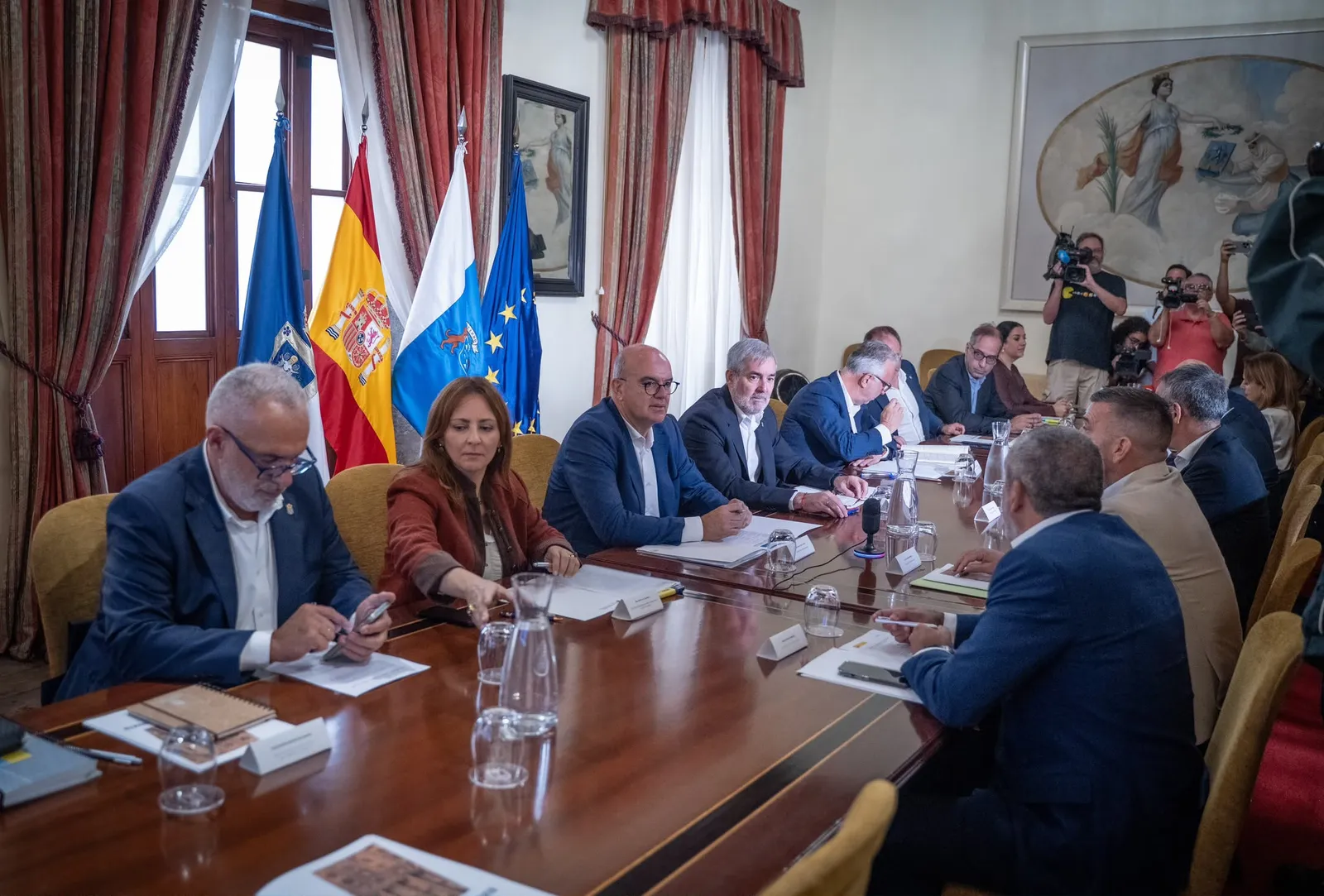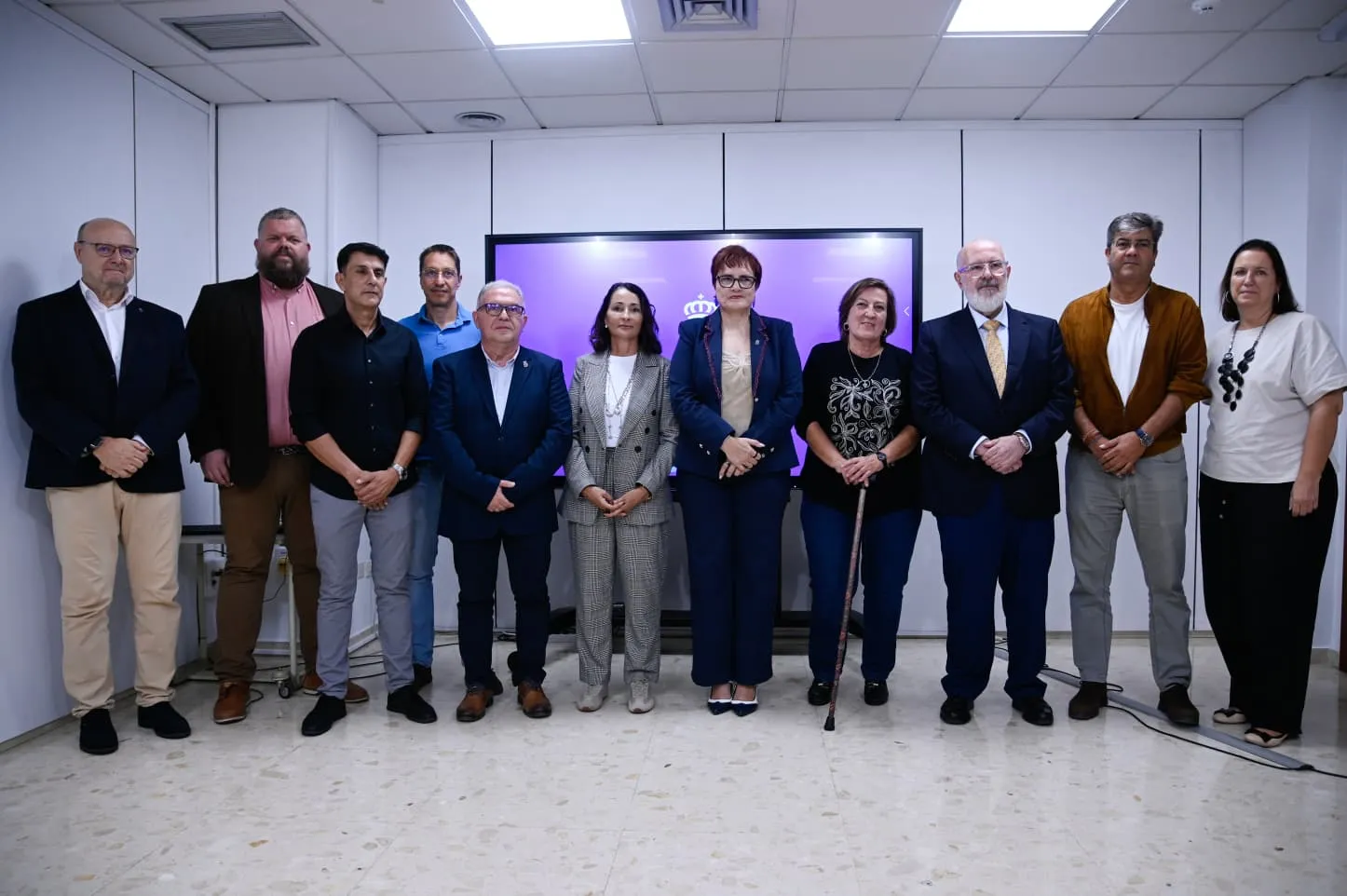
The Ministry of Social Welfare, Equality, Youth, Childhood, and Families of the Government of Canarias has taken a decisive step towards establishing the first collective agreement for the sociosanitary sector in Canarias. A social dialogue and concertation table was held with representatives from business organizations, unions, and third-sector entities.
The meeting, driven by Minister Candelaria Delgado, included participation from CEOE-Tenerife, the Canarian Confederation of Employers, CERMI Canarias, the Third Sector Platform, Comisiones Obreras, and UGT. All expressed their willingness to work together to achieve a labor framework that addresses the specific characteristics and needs of the Archipelago.
Candelaria Delgado highlighted that the objective is to improve the care sector, employability, and working conditions for professionals. This initiative is part of the Canarias Sociosanitary Strategy 2026-2030, aiming for a more robust, sustainable, and professionalized care model.
The minister recalled that many current collective agreements are national in scope and do not sufficiently address Canarias' unique circumstances. Therefore, the need for specific agreements was advocated. The participating organizations have shown their willingness to soon establish a social dialogue table to begin negotiations.
The employers' association, represented by Pedro Alfonso and Leticia González (CEOE-Tenerife and Canarian Confederation of Employers), expressed their commitment, emphasizing that a stable labor framework will provide legal certainty and facilitate hiring.
The president of CERMI Canarias, also representing the Third Sector Platform, advocated for improved salary conditions and the sustainability of these improvements, which will benefit both workers and the quality of life for vulnerable individuals receiving care.
José Ramón Barroso (Comisiones Obreras) valued the initiative, noting the necessity of these agreements to provide stability and strength to a growing sector and to prevent the loss of qualified professionals.
Fran Bautista, general secretary of Public Services at UGT, announced the union's readiness to provide the necessary work to initiate negotiations within 15 days, aiming for specific agreements covering sociosanitary, dependency, and disability areas.
The Ministry of Social Welfare will support this dialogue and negotiation process, offering the regional administration's backing to facilitate understanding between the parties and contribute to finding solutions.