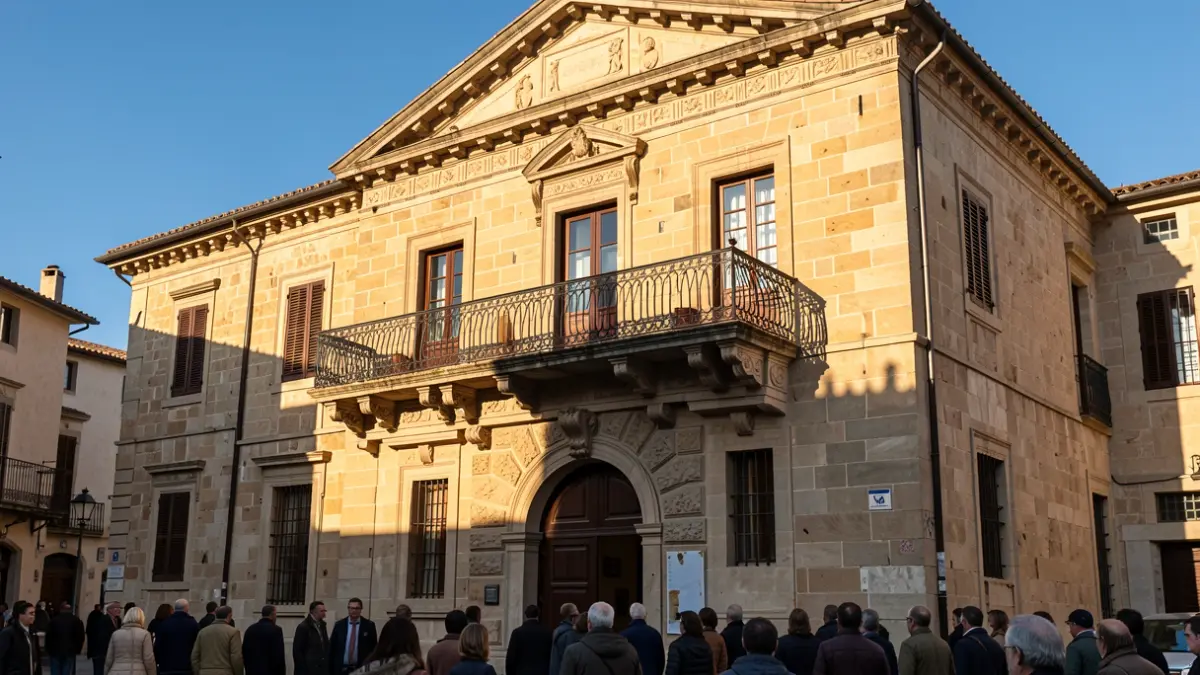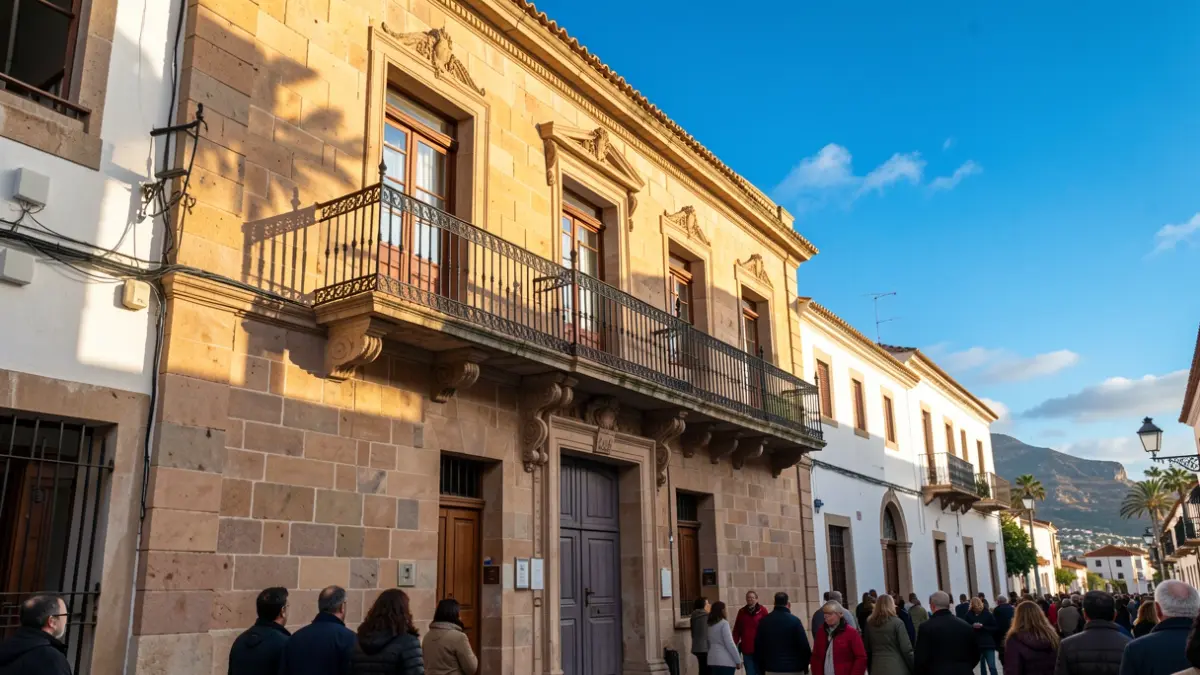
The La Orotava City Council has announced the continuation of the 'Valor-es' project, a community participation initiative focused on recognizing and highlighting residents who stand out for their contribution of human and heritage values to their neighborhoods and the municipality. The Department of Citizen Participation and Cultural Heritage, led by Delia Escobar, spearheads this initiative aimed at valuing the intangible and social heritage of the town.
Following the success of the first edition, held in 2025, the project is expanding in its second phase to the areas of La Luz-Las Candias, La Florida, La Piedad, and Benijos. Throughout March to August, participatory processes and dialogue sessions have been conducted to identify residents and groups who embody and transmit the values of their community.
Mayor Francisco Linares García emphasized the importance of 'Valor-es' as a citizen participation tool that allows for honoring those who, from anonymity and proximity, preserve the local identity and history. "Often, the work our residents do does not receive the visibility it deserves," he stated, highlighting that the project gives them "a name and a face" for future generations.
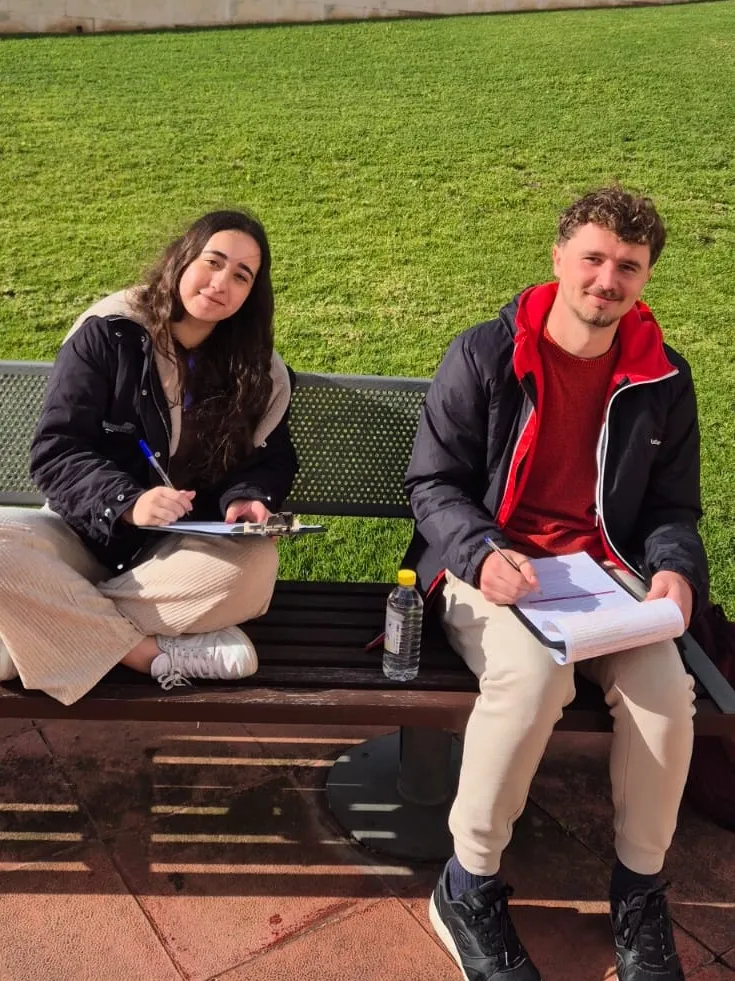
Delia Escobar detailed that the process is open, with residents themselves identifying representative individuals or groups. Previous experience demonstrated the richness of intangible heritage and the crucial role of associations and collectives as transmitters of knowledge and traditions. The graphic material and testimonies collected will be preserved in the Municipal Archive.
The methodology for the second phase remains similar to the initial one, involving meetings with local stakeholders to delve into the history of each area and identify outstanding residents. These participants will be featured in audiovisual interviews and photographic sessions. The final outcome will be presented in a new exhibition in the coming months, showcasing testimonies and photographs of about twenty individuals from the four participating neighborhoods, displayed both in the town center of La Orotava and in their respective areas.
Among the project's objectives are fostering participatory processes by area and neighborhood to explore La Orotava's human and heritage values, identifying and highlighting existing values within communities, recognizing individuals, groups, and collectives acting as guardians and transmitters of these values, and honoring those who contribute to their preservation. The initiative highlights the existence of deeply rooted knowledge, practices, and ways of relating within the neighborhoods, primarily transmitted orally and through shared experience, forming an essential part of the municipality's identity.