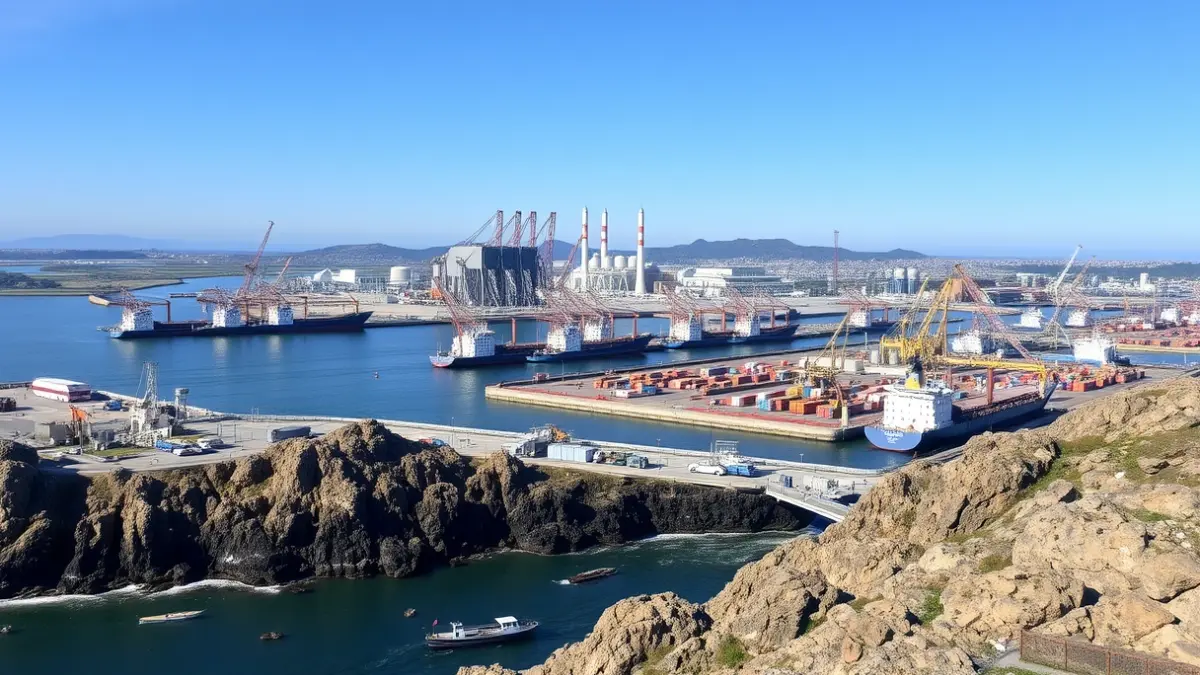
Initially conceived as a complementary facility to the Port of Santa Cruz de Tenerife and with a strong industrial vocation, the Port of Granadilla was officially inaugurated in 2018. Its design focused on handling large-draft vessels, cargo, and industrial activities, including ship repairs and scrap metal processing.
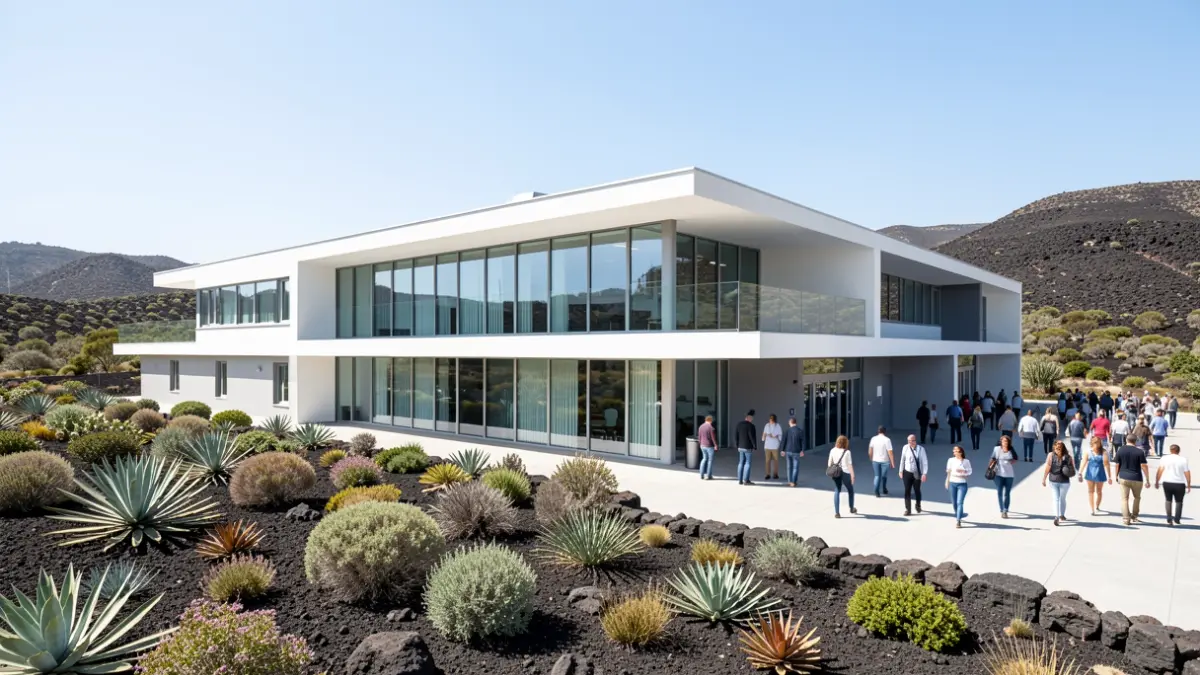
The selection of Granadilla as the anchorage point for the HV Hondius cruise ship, affected by a hantavirus outbreak, is due to its limited use and strategic location. Being still under completion, controlling the entry and exit of people is more effective. Furthermore, its proximity to Tenerife South Airport facilitates the transfer of the ship's occupants to their places of origin.
The port's history has not been without controversy. In 2009, the Contentious-Administrative Chamber of the High Court of Justice of the Canary Islands provisionally suspended construction due to the presence of seagrass beds, an ecologically valuable species. Although the environmental dispute was resolved in 2010 by locating the port outside protected areas, its original purpose of hosting a gas plant that would revolutionize Canary Islands' energy system never fully materialized.
Currently, the Port of Granadilla remains a key component for decongesting the capital's port and supporting the industrial and logistical development of the island's south, even though its role as a global health crisis hub for hantavirus was an unforeseen development.