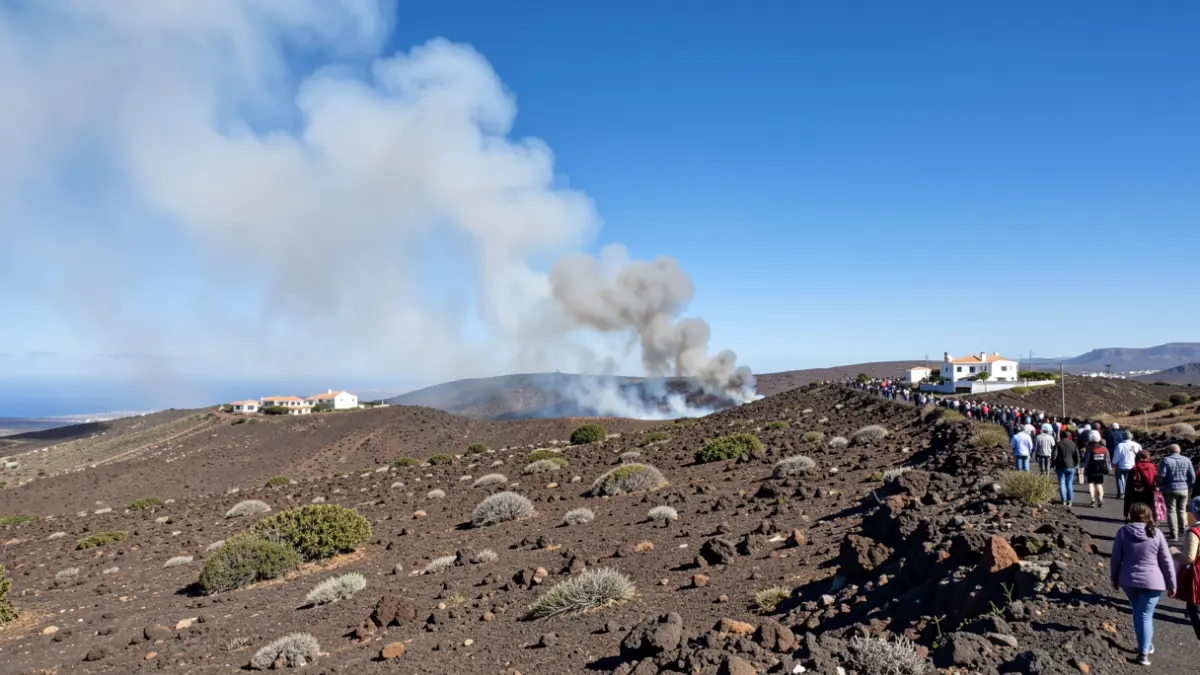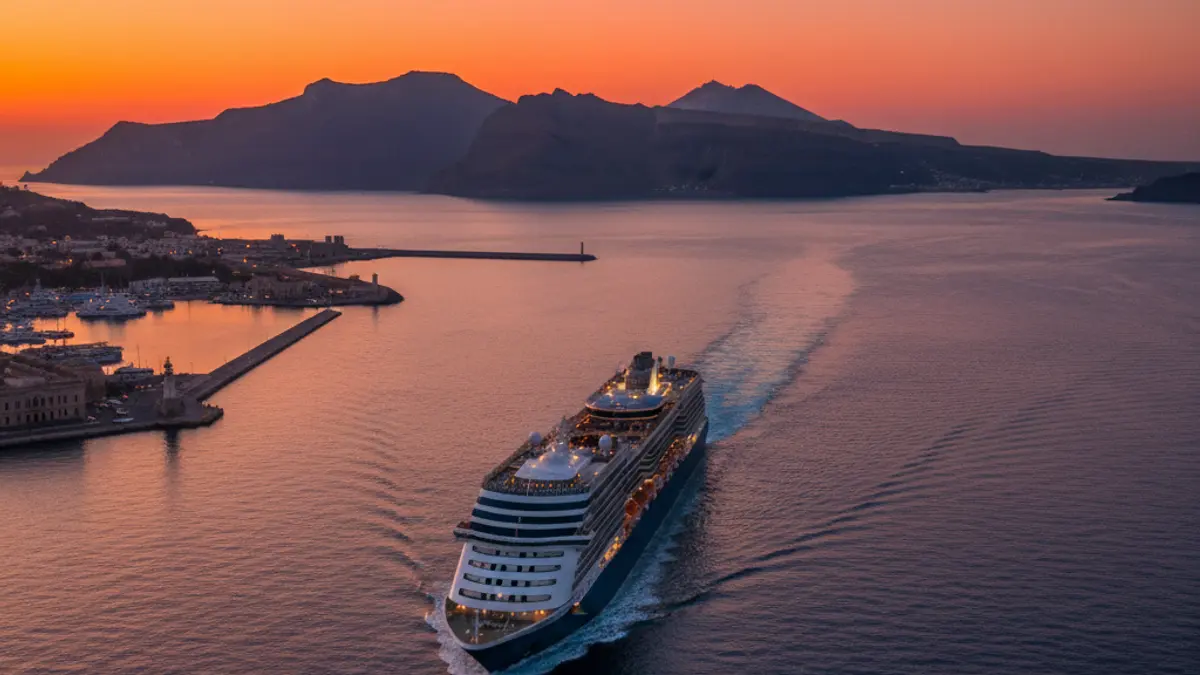
The vessel began its unmooring maneuver at 7:00 PM (Canarian time) on Monday, as scheduled, and ten minutes later had already left the port facilities in southern Tenerife. The journey to Rotterdam is estimated to take approximately five days, where authorities will take charge of a deceased person who remains on board.
During Monday morning, the cruise ship refueled and received provisions at the same dock in the Tenerife port, preparing for its return voyage.
The Hondius had begun its 46-day polar expedition on March 20 from Ushuaia, Argentina, with 149 passengers of 23 nationalities, destined for the Canary Islands. On April 11, the first death of a 70-year-old Dutch passenger was recorded, whose fever symptoms appeared on April 6. His body was disembarked on Saint Helena island, along with his wife, who later died of hantavirus on April 26 in Johannesburg.
A day later, on April 27, a British passenger fell seriously ill, confirming hantavirus. On May 2, another passenger died, and her body remains on the ship, which led to alerting the World Health Organization about the outbreak. That same day, it was confirmed that all three deaths were caused by the Andes strain of hantavirus.
On May 3, the MV Hondius arrived in Cape Verde, but authorities denied it entry to the port for security reasons. It was then that the WHO requested Spain to address the ship's situation. Despite the initial refusal from the Canarian Government, and with authorization from the central Government, the vessel docked in the early hours of May 10 at the industrial port of Granadilla de Abona, Tenerife, for the disembarkation of those affected.