The employees' decision stems from concerns over the absence of a clear safety protocol for the operation involving the MV Hondius, a vessel carrying passengers who have been in contact with individuals affected by hantavirus. Despite the cruise ship's imminent arrival, expected early Sunday morning, workers claim they have not received details on how the situation will be managed.
“"People are scared stiff."
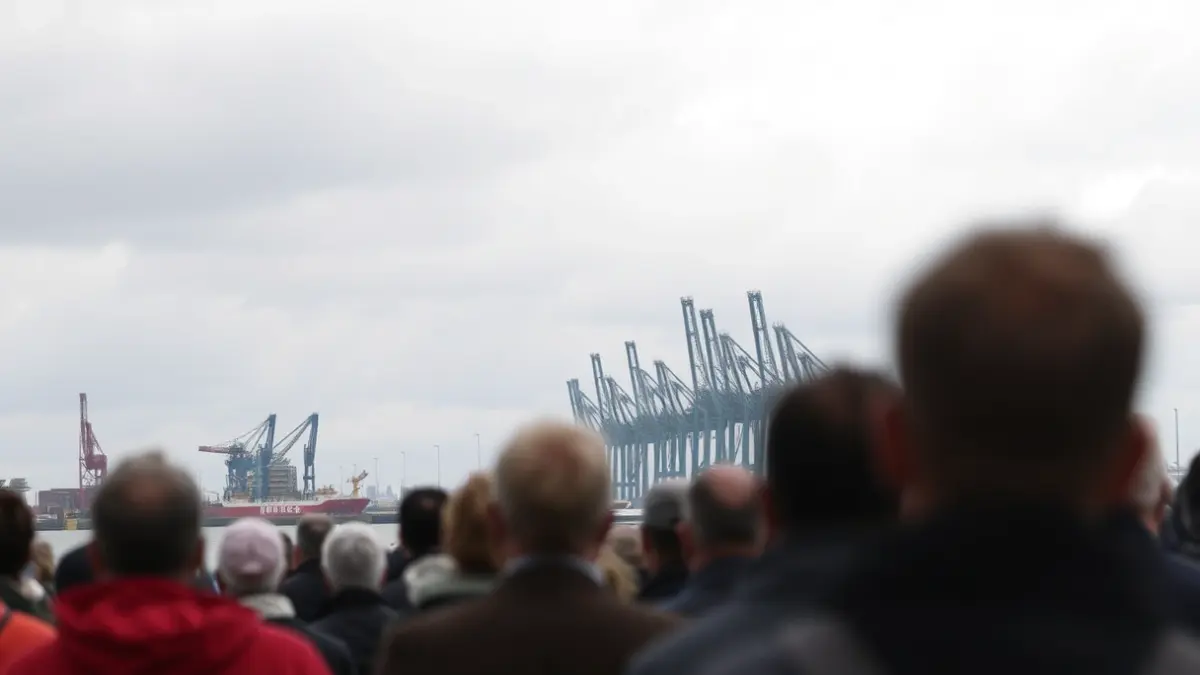
The apprehension extends beyond the vessel's operation, as workers point out that the port of Granadilla lacks the usual resources to respond to an emergency at anchor, such as the absence of tugboats. This situation raises questions about the response capability in case of potential incidents, such as the need to evacuate someone or transport medication.
The discontent had already been voiced the previous Friday, when workers gathered near the Parliament of Canarias to demand information. During that protest, slogans like “We are not bananas” and “we want work, not illness” were heard, reflecting frustration over what they perceive as a lack of concern for their safety.
Although other union sectors have conveyed a message of reassurance, stating that the operation is safe and there will be no direct contact with passengers, workers insist on their demand for information, protection, and respect. They argue that while the port is considered “second-tier” for ship repair activities, they are being asked to assume “first-tier” risks without adequate guarantees.