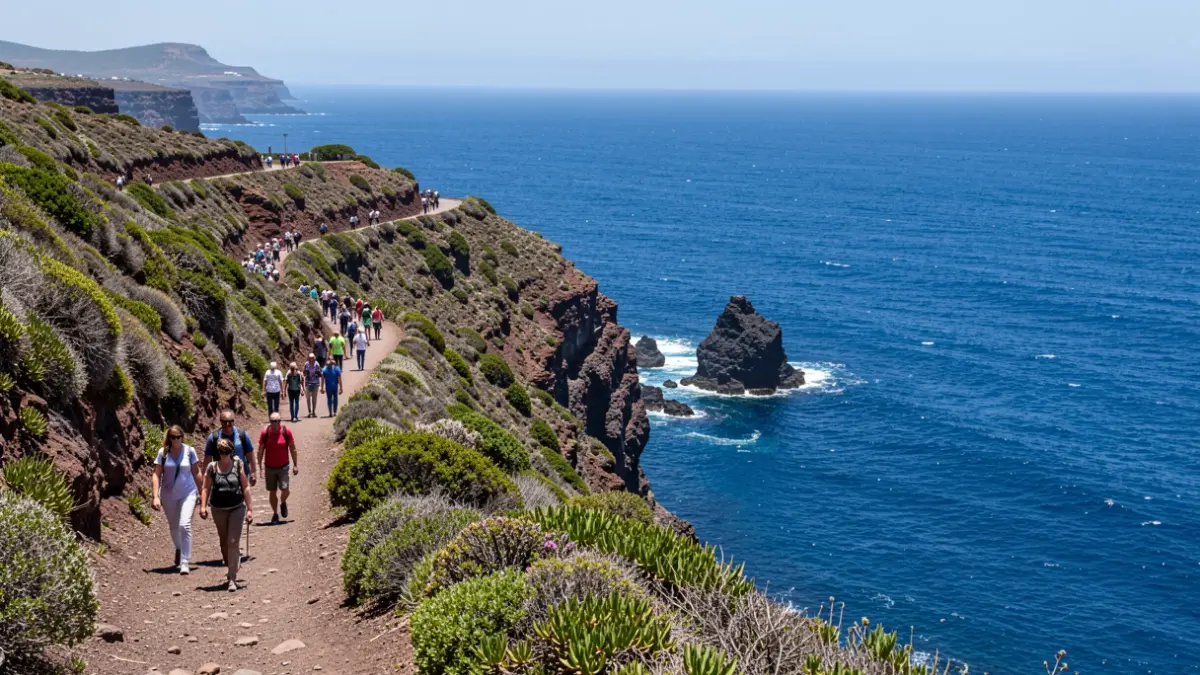
This new annual allocation of aid for rural housing rehabilitation will allow Vallehermoso to access measures focused on the adaptation and improvement of properties in rural settings. The main objective is to facilitate access to housing and contribute to maintaining the resident population in these areas.
“"For this City Council, housing is a priority, and we have been working for years with different administrations to try to respond to one of the main difficulties faced by rural municipalities."
A city council spokesperson recalled that numerous residents have already benefited from these aids in previous calls, resulting in the improvement of more than 60 homes thanks to this program. According to the economic distribution established by the Canarian Housing Institute, Vallehermoso will receive an estimated allocation of over 39,000 euros within this line of institutional cooperation aimed at rural municipalities in the Canary Islands.
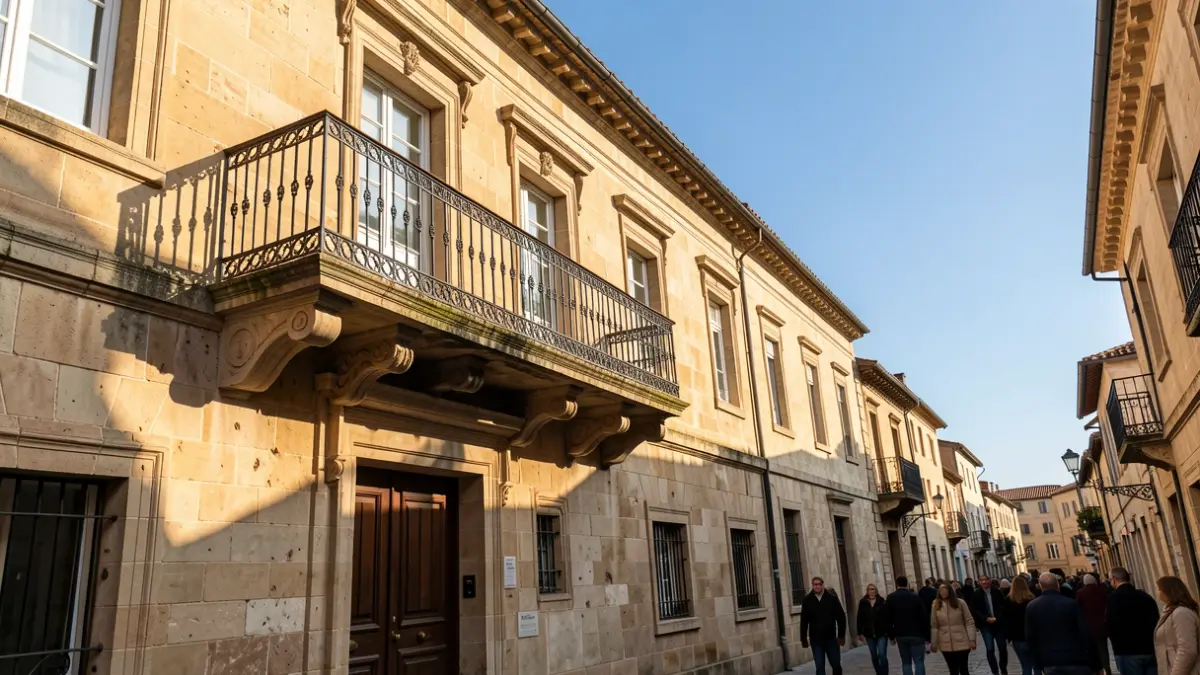
These initiatives complement the work on public housing and urban rehabilitation that has been carried out in the municipality. The execution of ARU I, which covered 14 homes, and ARU II, with 22 homes in the historic center, has been highlighted. Furthermore, the City Council has submitted ARU III, a proposal amounting to almost 3 million euros, which is currently awaiting assessment within the joint plan between the State and the Autonomous Community.
Alongside these initiatives, there is also the upcoming process for awarding homes promoted by Visocan, as well as the provision of municipal land by the City Council to expand the public housing stock in the municipality. The continuity of this program strengthens the set of measures aimed at enabling young people and families to maintain their residence in Vallehermoso, especially in those rural areas where access to housing is crucial for population retention. The rehabilitation of properties, the improvement of already inhabited homes, and the promotion of new residential opportunities are part of a broader strategy linked to demographic recovery, local economic activity, and the maintenance of life in the municipality's neighborhoods.