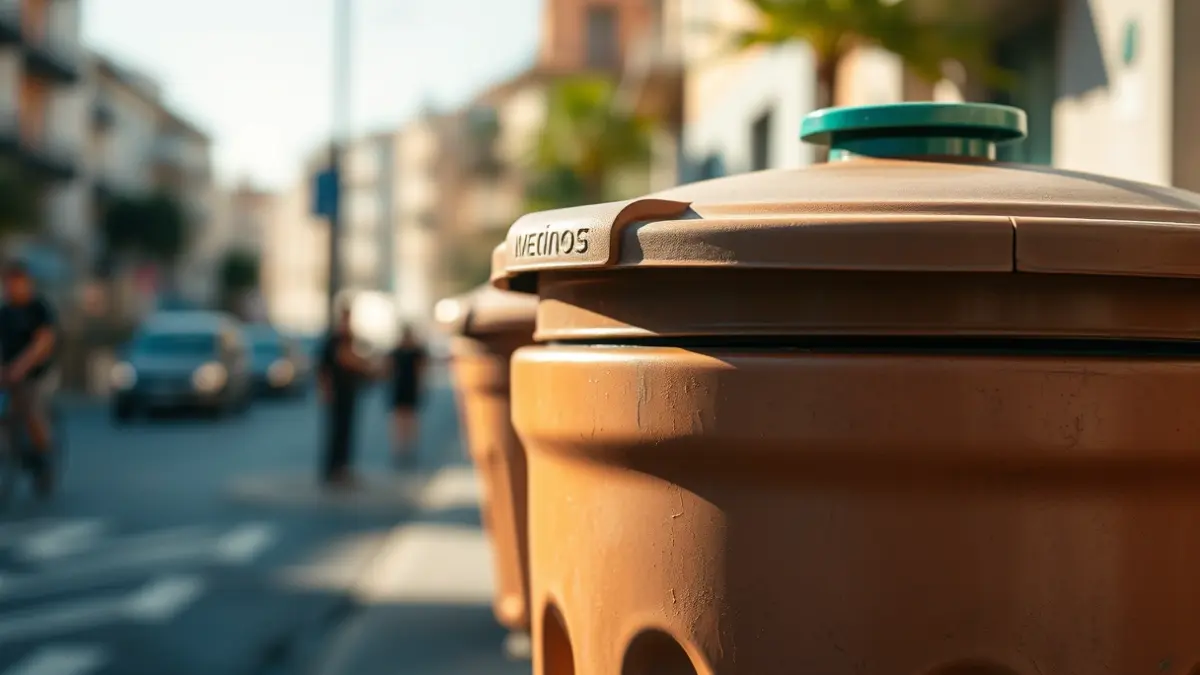
The Municipal Cleaning Service began implementing the fifth container this week in Cañada Honda, marking another step in the local corporation's strategy to promote waste separation in homes. This initiative aims to facilitate proper organic waste management for citizens.
“"The City Council maintains the progressive deployment of this container in different neighborhoods to facilitate waste separation from homes."
Since its launch in December 2023, the organic waste collection system has successfully gathered over 914,680 kilograms of material. These materials are transported to the Ecoparque, managed by the Cabildo de Gran Canaria, where they are processed and transformed into compost for agricultural use.
With the recent addition of Cañada Honda, the brown bin service is now available in 24 neighborhoods across the city's five districts. Areas already benefiting from this service include Los Tarahales, Ciudad Jardín, La Minilla, Guanarteme, and Costa Ayala. The City Council plans to extend this coverage to new areas in the coming weeks.
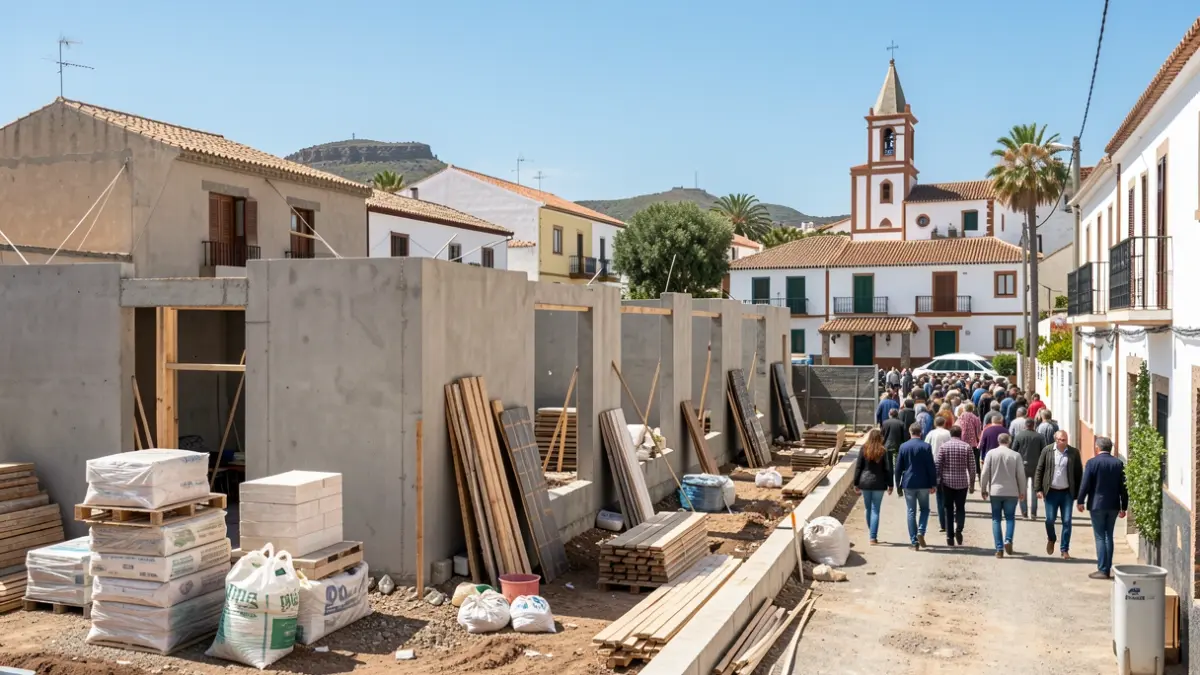
Residents of Cañada Honda can obtain information and process the key for accessing the brown bins at an information stand set up in the neighborhood, near the access from Barranco de Tasarte. This process can also be completed online via the municipal website. The first 100 people to register at the neighborhood office will receive a 15-liter bucket and 20 biodegradable bags.
The brown bin is designated for organic waste such as food scraps, kitchen vegetable remains, fruit peels and bones, raw or cooked meat, fish, and seafood, spoiled or expired food, dairy products, eggshells and nut shells, bread and pastries, grains and cereals, coffee grounds, filters and tea bags, as well as soiled kitchen paper and napkins. It also accepts small branches, pruning waste, leaves and flowers, corks, sawdust, wood shavings, and natural threads.