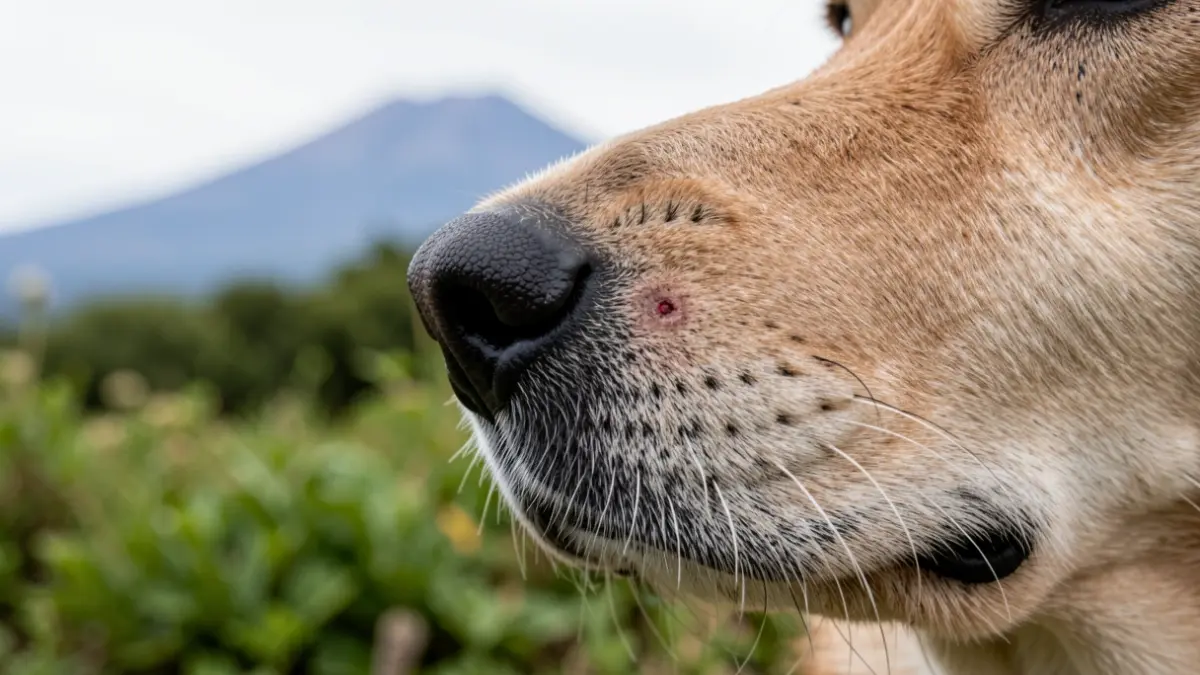
Until now, it was believed that dogs diagnosed with leishmaniasis in the Canary Islands were imported cases. However, preliminary research from the ULPGC Faculty of Veterinary Medicine reveals that the parasite and its transmitting insect are already circulating and actively infecting within the Archipelago.
Provisional data, analyzed since 2023 from nearly 800 dogs with clinical suspicion at veterinary centers across all islands, indicate that approximately 10% of the analyzed animals have tested positive. Of the 215 dogs with positive antibodies, 13 cases of strict autochthonous transmission have been recorded. "The results make it clear that the presence of this parasite in the Canary Islands is greater than previously thought; the data clearly point to an epidemiological change," states researcher Beatriz Morales.
The presence of the vector insect, the sandfly, has been described in the ecosystems of the Islands for almost 40 years. Current climatic conditions, marked by global warming, and the constant movement of pets have created a favorable scenario for local transmission.
“"The results make it clear that the presence of this parasite in the Canary Islands is greater than previously thought; the data clearly point to an epidemiological change."
Leishmaniasis is a serious pathology in dogs, with a high mortality rate if not detected in time. Initial symptoms include dermatological problems such as ulcers, nasal bleeding, hair loss, and conjunctivitis. If the parasite progresses unchecked, it can damage vital organs, causing irreversible kidney failure, severe anemia, and eye lesions.
Experts warn of a turning point for healthcare in the Canary Islands. The sandfly can transmit the parasite not only to dogs but also to cats, horses, and humans. In people, the pathology causes a cutaneous condition known as the "Oriental Sore" and can be severe in vulnerable profiles or immunocompromised patients.
Given the risk of rapid spread, the veterinary community urges pet owners to increase their level of alert. Professor Alberto Montoya announced that in September, extraordinary sessions will be organized to officially alert the health authorities of the Government of the Canary Islands and coordinate a contingency plan.
The unanimous recommendation from experts to protect dogs is based on a multimodal preventive strategy: the use of specific vaccines that drastically reduce disease development and mortality, strict application of antiparasitic collars and spot-ons with insecticidal effect against the sandfly, and minimizing animal exposure outdoors during dawn and dusk, peak activity times for the insect.