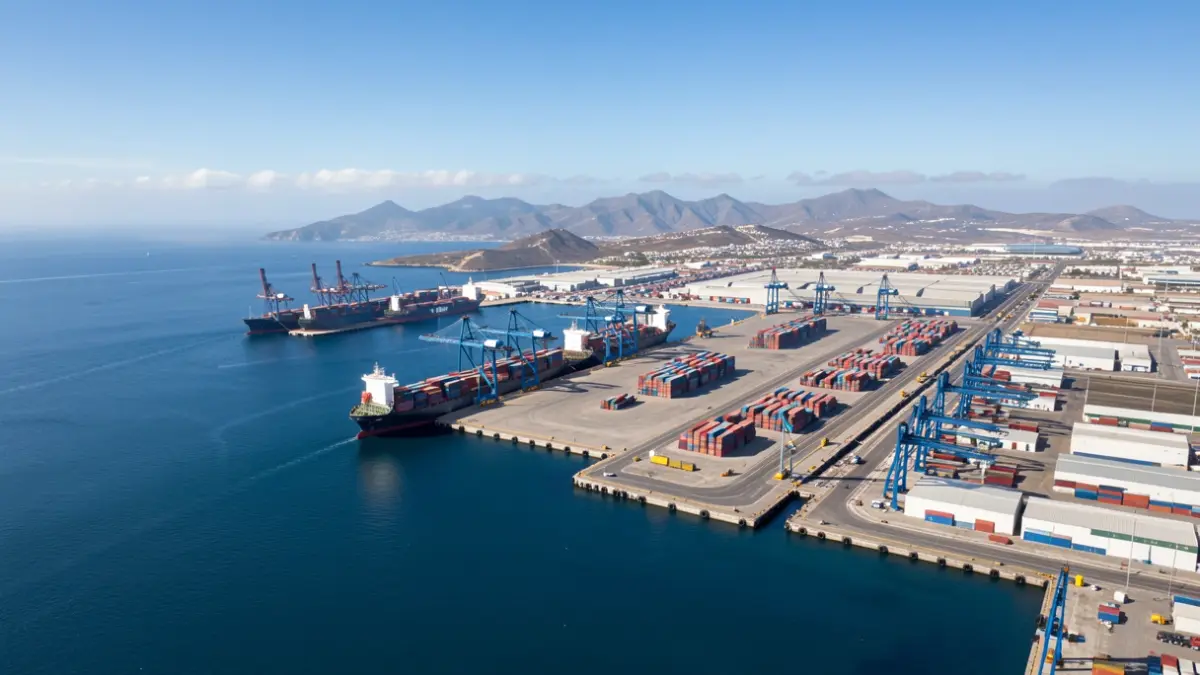
The Port of Las Palmas is experiencing a period of significant growth in its maritime-port traffic, leading its facilities to operate near their maximum capacity. In response, the Port Authority is planning the creation of new spaces to sustain its development.
Two major projects are slated for 2027: the expansion of the Juan Sebastián Elcano quay and the widening and extension of the Reina Sofía breakwater. Following these interventions, expansion efforts will focus on the Africa Dock, as the Reina Sofía breakwater has reached its growth limit.
According to Antonia Bordón, Head of Infrastructure at the Port Authority of Las Palmas, these works are "fundamental" for increasing the berthing line with adjacent land, a persistent demand from the sector. Although the Port's finances are sound, the aim is to maintain consistent investment, supported by European funds, despite the rising cost of living significantly increasing the budget for some projects.
Bordón recalled that the first phase of the Juan Sebastián Elcano quay required an investment of 15 million euros, while the planned extension will demand approximately 50 million euros. Large-scale port works typically last between 18 and 24 months and require the involvement of about 30 employees.
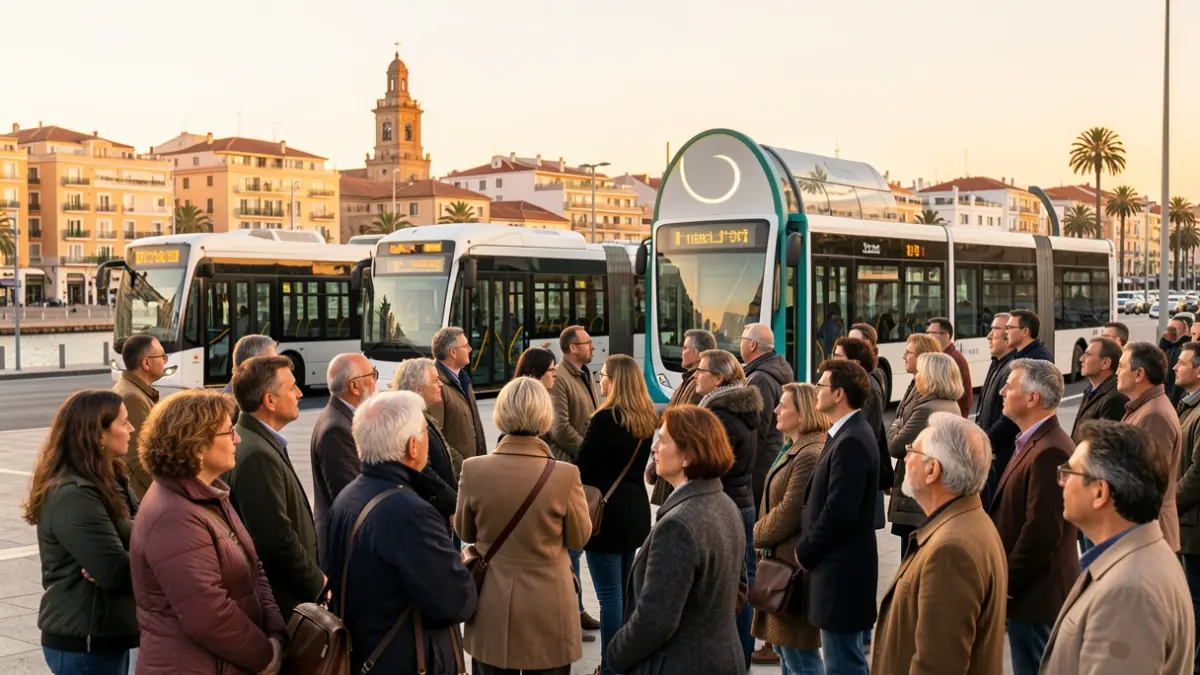
Concurrently, the Port Authority seeks to connect the port with Canarian society through events like 'EnClave Puerto'. In its inaugural edition, media representatives engaged with workers and managers from various sectors to highlight the port's daily importance.
The President of the Port Authority, Beatriz Calzada, described the event as "very positive" and a long-awaited project. She emphasized the novelty of this format, allowing media to experience "the day-to-day of the quay" and fulfilling the objective of informing the public about the significance of ports.
Antonio Castellano, Head of Maritime Traffic and Operations, explained the surge in maritime freight rates, which can reach 30,000 euros daily for bulk carriers, a stark contrast to the 5,000-6,000 euros of a few years ago. Despite this increase, profitability for shipowners depends on the vessel being operational, driving efforts to shorten repair times.
Castellano described managing a congested berthing line as a "complicated" and "not simple" task, ongoing for years and critical to the logistics chain's functioning. The relationship with businesses, focused on securing more berthing capacity, is managed as a constant "push and pull," prioritizing objectivity to expedite operations.
Castellano's department oversees much of the process, from managing consignee documentation to assigning a docking or anchoring spot based on the vessel's planned operations.