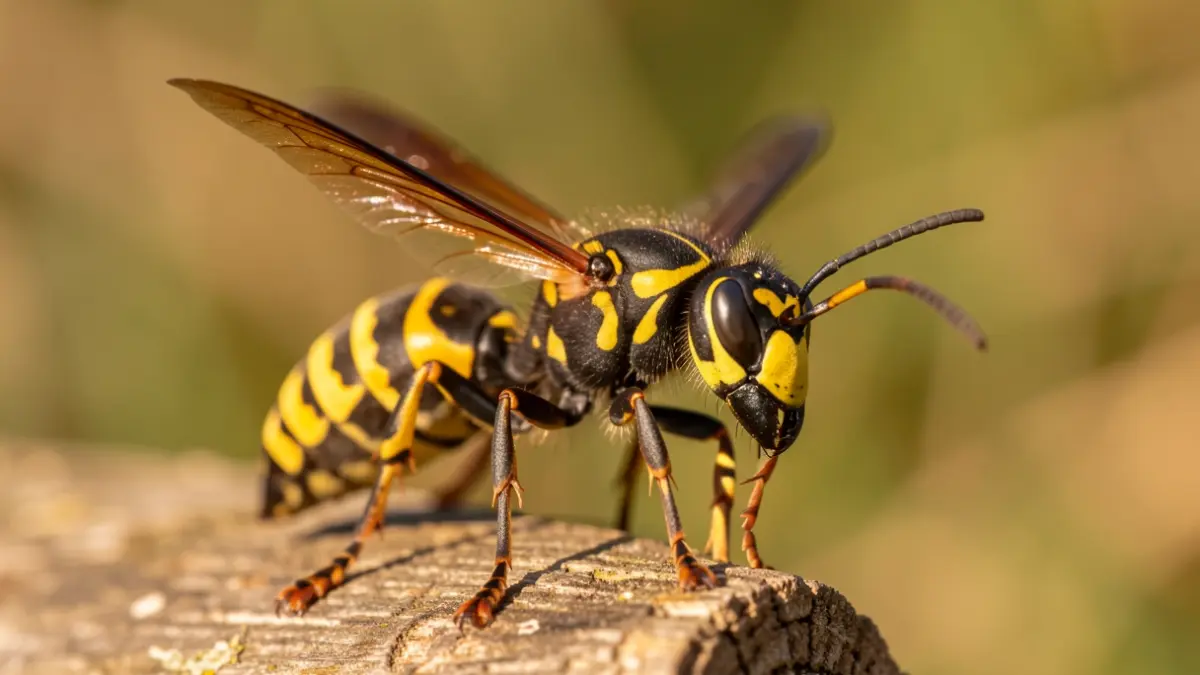
The arrival and spread of the Asian hornet in Spain has not resulted in an increase in deaths caused by hymenopteran stings, according to the findings of research conducted by scientists from the Applied Entomology group at the University of the Balearic Islands (UIB). The study, published in the Journal of Medical Entomology, analyzed fatalities related to stings from bees, wasps, and ants in the country between 1999 and 2023.
The investigation was initiated following the media impact of three deaths in Galicia in October 2025, an event that reignited the debate on the dangers associated with the presence of Vespa velutina, first detected in Spain in 2010. However, the collected data does not show a direct link between the appearance of this invasive species and an increase in mortality.
During the study period, a total of 188 deaths linked to hymenopteran stings were recorded. By comparing the years before and after the territorial expansion of Vespa velutina, scientists observed that mortality figures have remained stable. The analysis also identified that individuals over 60 years old, particularly those with pre-existing conditions or cardiovascular problems, are more vulnerable to these stings, with no significant differences found based on sex or geographical location.
Despite these results, experts emphasize that the Asian hornet remains a dangerous species and recommend maintaining caution, especially near its nests. They also highlight the environmental and economic impact this invasive species has, particularly on beekeeping and bee populations.