This new green lung, featuring 490 local plants, has been designed as an accessible rustic area for residents, differing from traditional parks. The two hillsides framing the neighborhood, near Júpiter and Plutón streets, have been transformed into trails with benches, promoting contact with Canary Islands endemic nature.
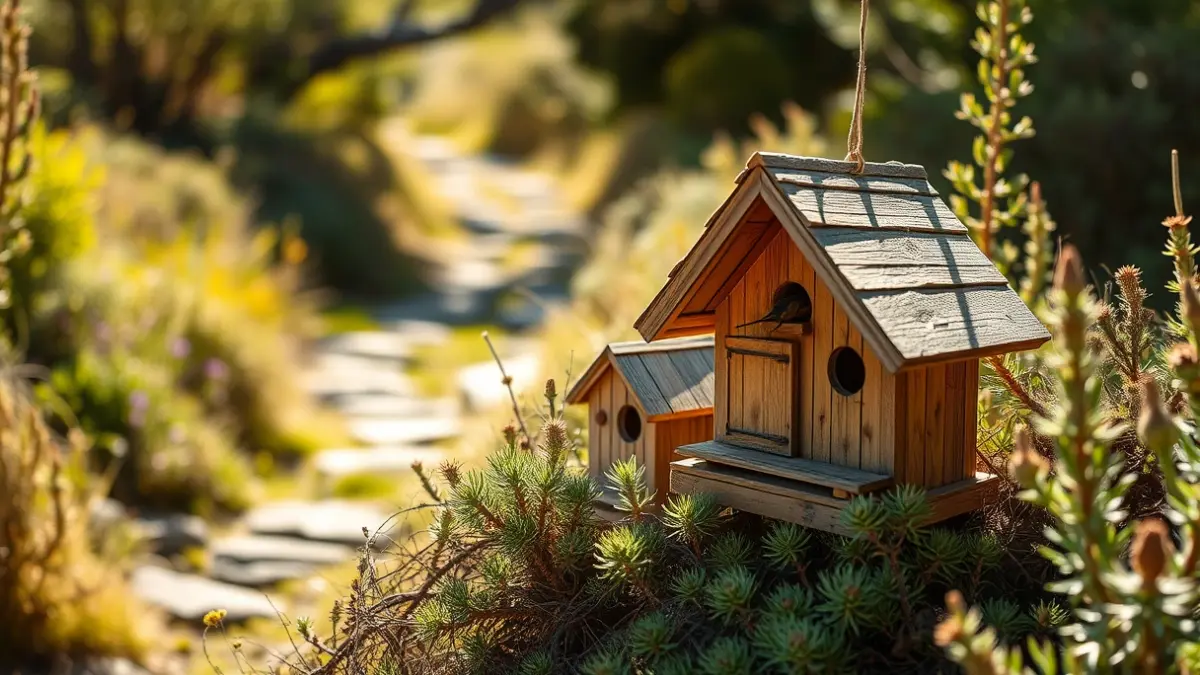
The 'insect hotel,' constructed from wood, reeds, and bark, aims to boost the population of species such as beetles, flies, butterflies, bees, ants, wasps, and moths, which have been affected by pollution and pesticide use. This infrastructure, along with the birdhouses, contributes to the local biodiversity.
“"It will allow us to enjoy nature in the heart of the city, and do so in a way that gives it not only great environmental and landscape value, but also great educational and pedagogical value."
Informative signs have been installed along the route, detailing the native flora and fauna, such as the verol, wild olive, white tajinaste, juniper, and Canary pine. The initiative also considers the possibility of school visits for children to learn about local biodiversity.
The Hoya Andrea project, with an investment of 404,731.49 euros, has been funded through the Spanish Government's Recovery, Transformation and Resilience Plan, via the Biodiversidad Foundation and NextGenerationEU European funds. The work was carried out with low impact, aiming to create a transit space similar to those found in the Cumbre, using rustic wooden and natural stone furniture.
“"This represents an important transformation for the city, making it more welcoming and closer to natural assets."
The Green Corridor, which seeks to increase recreational areas in Las Palmas de Gran Canaria, will span approximately 12 kilometers through various neighborhoods, including Tamaraceite, Los Tarahales, Siete Palmas, and Escaleritas. It foresees the rewilding of 459,016 square meters, with the planting of over 11,000 trees and shrubs, and 8,000 specimens of scrubland.