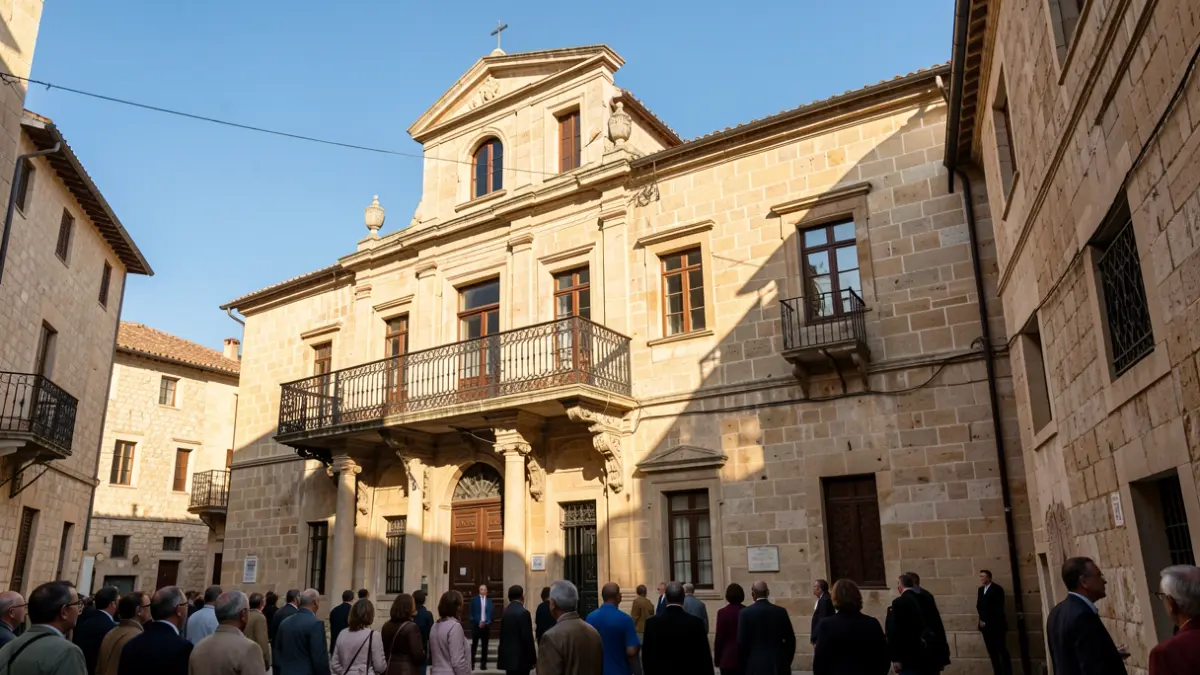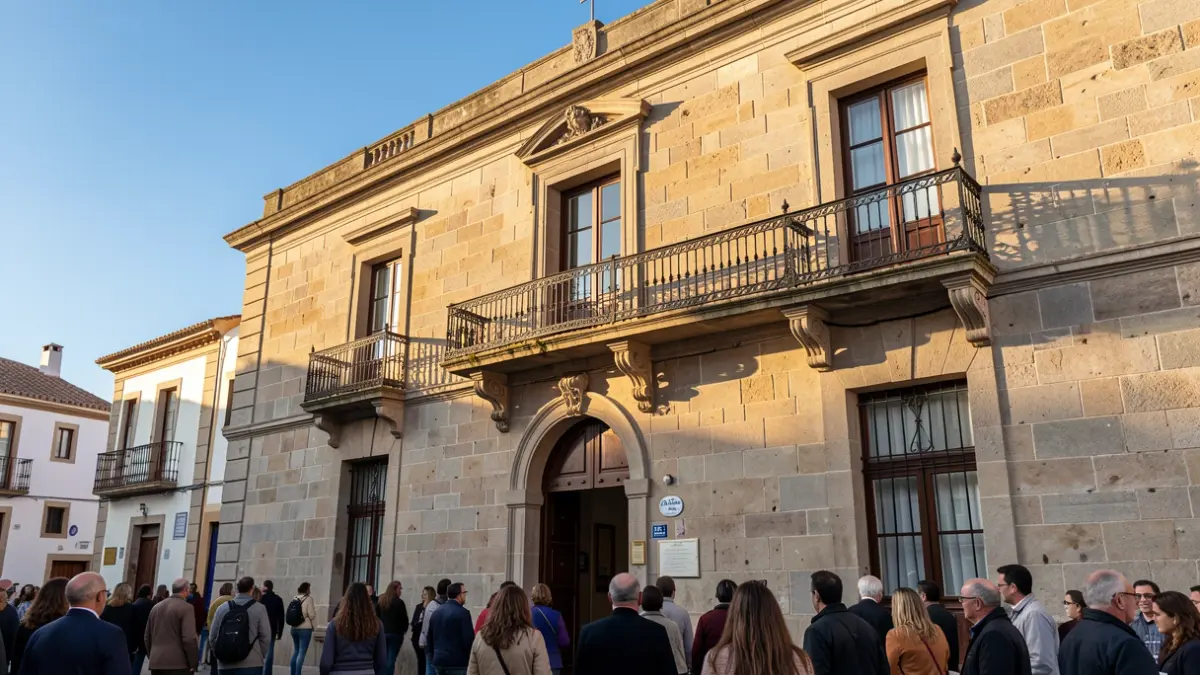
The representative of the College of Nursing of Las Palmas took part in the fifth edition of the Macaronesia Academic Nursing Conference, held at the São José de Cluny Higher School of Nursing in Funchal, Madeira. The event, co-organized by the host institution along with the University of the Azores, the University of Santiago de Cabo Verde, and the University of Las Palmas de Gran Canaria (ULPGC), brought together academics and professionals to foster scientific and academic collaboration among higher education nursing institutions across the four Macaronesian archipelagos.
During her intervention, the president of the nurses of the province of Las Palmas emphasized the urgency of modernizing health services, stressing that this is only possible through greater empowerment of nursing professionals. She highlighted that this empowerment must cover both clinical and care aspects, as well as management, arguing that the current healthcare system is unsustainable without the leadership and strategic vision of the nursing profession.
“"The empowerment of nursing professionals stems from scientific evidence, research, and continuous training."
Furthermore, the representative noted that nurses are already leading digitalization and the use of health data, being recognized as essential professionals in various clinical tasks. However, she insisted on the need for greater institutional support to advance in competencies and value-added functions, such as nurse prescribing. This measure, she explained, would strengthen the system's efficiency and agility, eliminating unnecessary bureaucratic burdens that harm patients.
The president also addressed current health and demographic changes, such as population aging, the increase in chronic diseases, the deterioration of mental health, and growing social fragility. She argued that these factors necessitate a reorientation of health systems, moving beyond the biomedical paradigm and the 'hospital-centric' model to evolve towards a new care approach that grants greater autonomy to nursing professionals.
Finally, she pointed out that the most advanced healthcare systems demonstrate a direct relationship between nursing autonomy in decision-making and the reduction of avoidable hospitalizations, as well as decreased care pressure in emergency services. She concluded that, for a healthcare system adapted to the future needs of the population, it is essential to place more trust in nurses and empower them as the trained, responsible, and competent health agents they have proven to be.