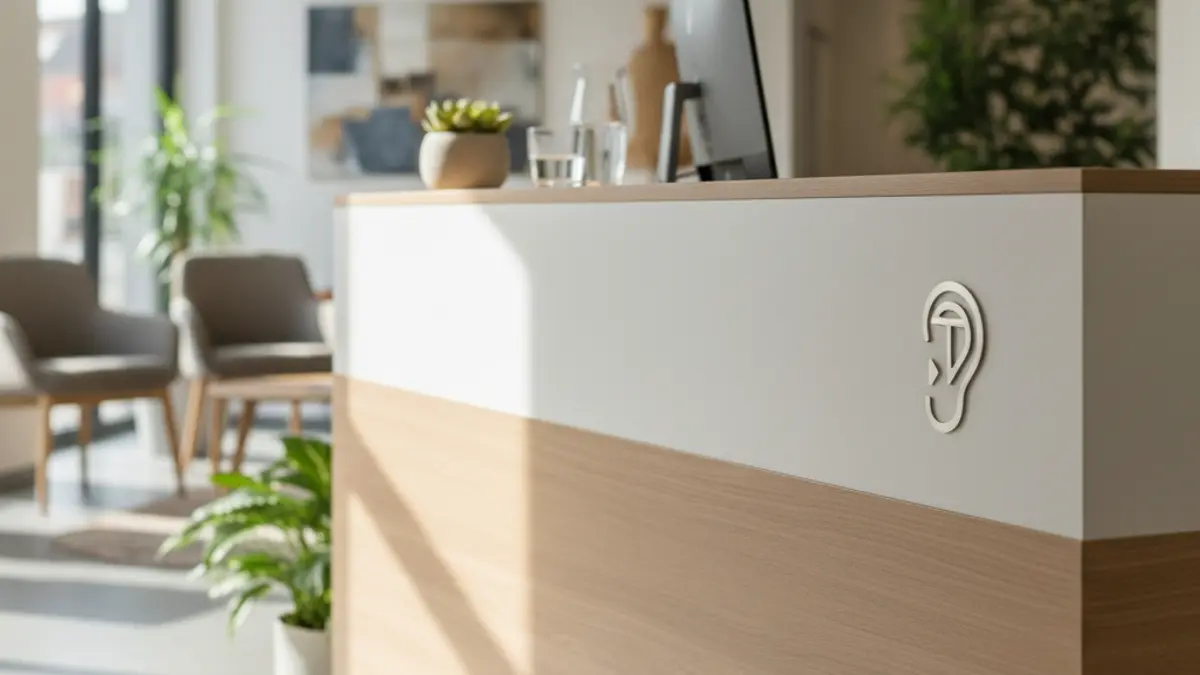
This initiative, carried out between March and April 2026, is part of the SCS's Person-Centered Care Strategy. The implementation of these devices aims to optimize communication and accessibility for users of hearing aids and cochlear implants at information and admission points.
Magnetic induction loops work by emitting wireless signals that are directly picked up by hearing aids and cochlear implants. This ensures that sound reaches the user clearly and without interference, eliminating ambient noise, reverberation, and difficulties caused by distance from the sound source.
“"The loop is a system that emits wireless magnetic signals picked up by hearing aids and cochlear implants, allowing the user's ear to receive sound clearly and without interference, avoiding reverberations, ambient noise, and listening difficulties caused by distance from the sound source."
Each area equipped with this technology is identified by a distinctive icon of an ear with a 'T', signaling the system's availability. This tool, which includes a microphone and a converter amplifier, enhances listening quality and communication, providing clean, intelligible sound even in noisy or echo-prone environments.
The distribution of these loops was based on accessibility and territorial balance criteria. In this first phase, five devices have been installed in health centers in Tenerife and another five in Gran Canaria. Additionally, two have been placed in Lanzarote, two in Fuerteventura, and two in La Palma, along with one in El Hierro and one in La Gomera.