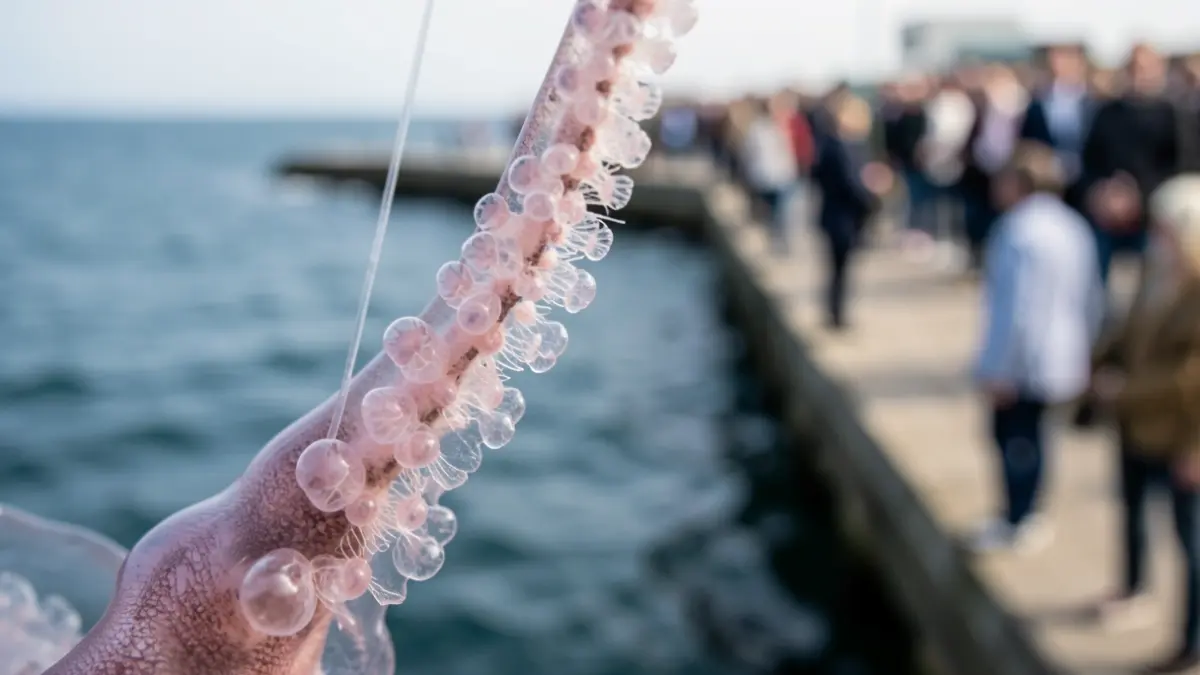
Jellyfish stings are a common risk on the beaches of the Canary Islands during the summer. The Canary Emergency Service (SUC), under the Canary Islands Government's Health Department, has reiterated guidelines for action to minimize skin reactions and when urgent medical attention is necessary. These tips are part of the summer campaign 'When you need it, the SUC acts'.
In the event of a sting, the SUC advises leaving the water immediately. Once on shore, the affected area should be washed with seawater, avoiding fresh water. It is crucial not to rub the skin with towels or other objects, as this can worsen the reaction. If jellyfish remnants are attached to the skin, they should not be removed with bare hands; tweezers are recommended for their removal.
After applying these initial measures, it is advisable to go to the nearest healthcare service for a professional evaluation. Although most stings cause only local skin reactions, some can trigger more serious adverse responses, especially in allergic individuals.
Particular attention should be paid to symptoms such as difficulty breathing, intense dizziness, a feeling of swelling in the tongue, lips, eyelids, or throat. The rapid onset of these signs requires seeking urgent medical attention.