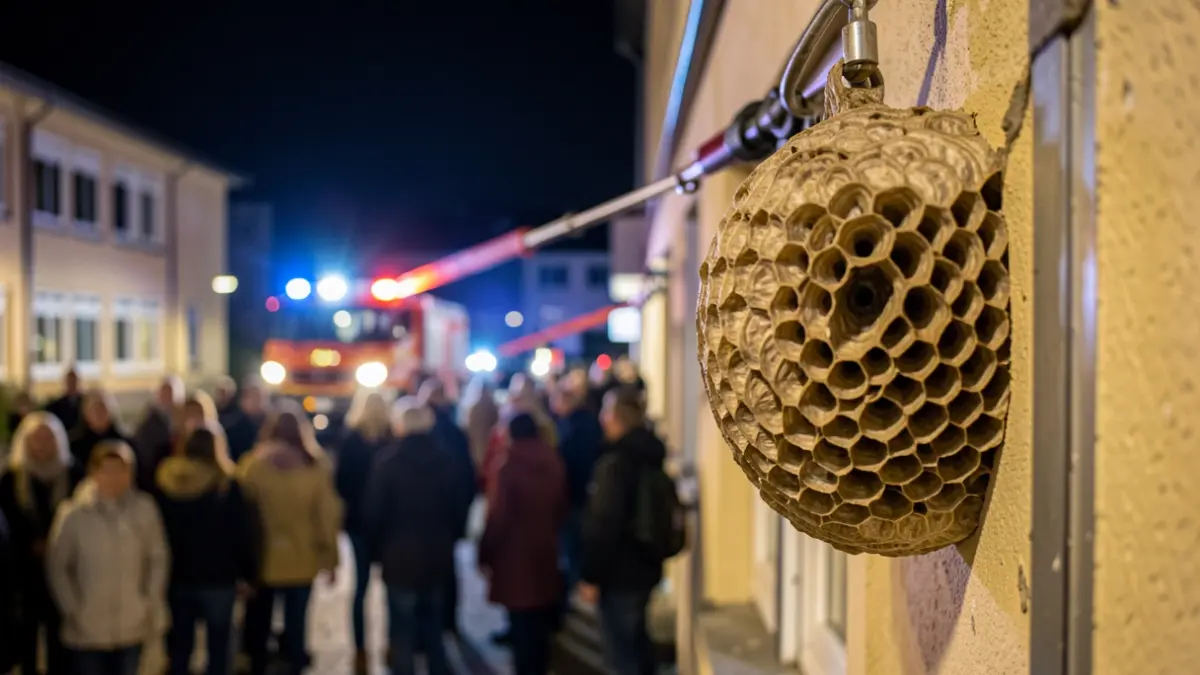
Consulted experts believe this to be a derivative nest, rebuilt by worker hornets that survived the initial removal by municipal firefighters in mid-May at the same location. The operation, lasting approximately one hour, involved collaboration with the capital's City Council, which provided a crane truck from its Lighting Service.
The Ministry of Ecological Transition and Energy of the Government of the Canary Islands explained that the operation required the use of specific Personal Protective Equipment (PPE). The availability of this equipment in the Canary Islands and the decentralized nature of the Network ensure that similar incidents can be addressed in the future on any island, although the species' presence outside Las Palmas de Gran Canaria has not yet been confirmed.
RedEXOS has investigated 155 citizen reports, but none have been positive, mostly due to confusion with other local wasps or inconclusive observations. The regional government considers the situation under control and advises against generating undue alarm.
To date, only three sightings have been confirmed within a 250-meter radius of the removed nest. Despite the successful removal, experts warn that isolated survivors might still be observed in the vicinity in the coming days, although it is unlikely they could rebuild a new nest.
RedEXOS requests public collaboration to report any potential sightings via its mobile app (RedEXOS Gobcan), its website, the official WhatsApp (646 601 457), or by calling CECOES (1-1-2) at any time.