The Official College of Physicians of Santa Cruz de Tenerife has issued an alert regarding the effects of prolonged outdoor exposure during papal events, particularly during hours of high ultraviolet radiation. Dermatology specialists are observing an increase in patients with sunburn, worsening of photosensitive conditions, and reactivation of inflammatory skin ailments that were previously under control.
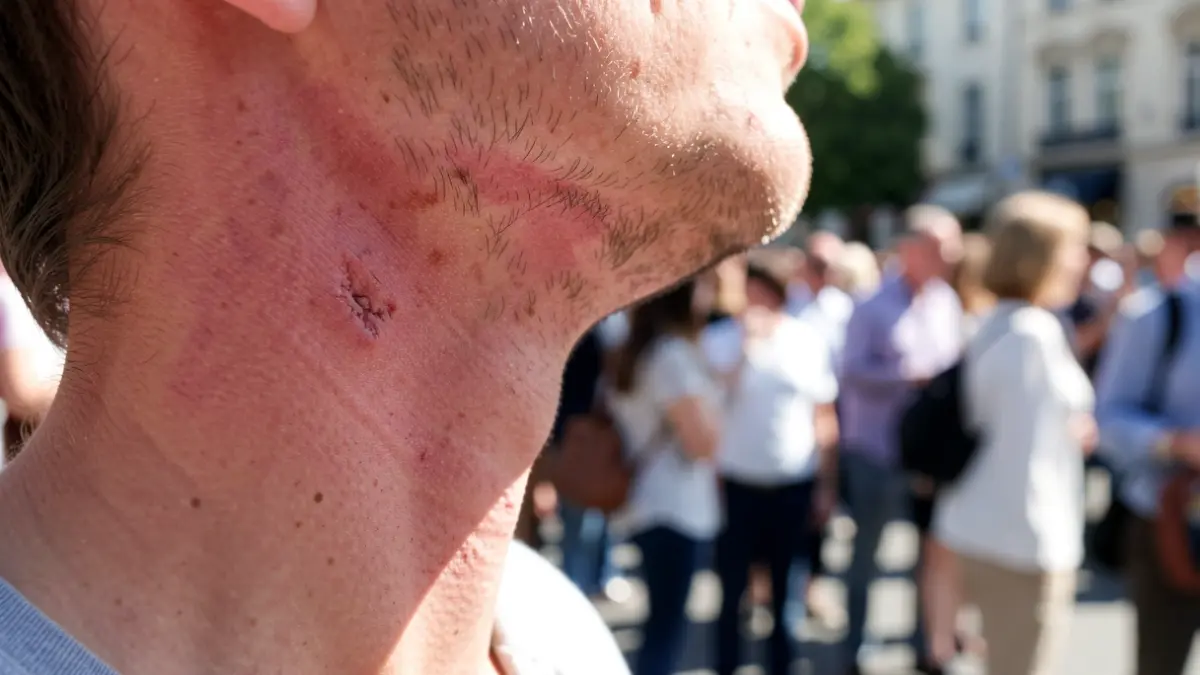
Dermatologists note that many lesions appear on areas frequently overlooked when applying sunscreen, such as the nape of the neck, neck, ears, tops of the feet, forearms, and scalp in individuals with less hair. These areas receive direct radiation for hours and are often left unprotected or without necessary reapplication of sunscreen.
In addition to sunburns, Dermatology services have recorded an increase in outbreaks of diseases particularly sensitive to ultraviolet radiation. These include rosacea, with increased redness and inflammation; cutaneous and systemic lupus; polymorphous light eruption, commonly known as sun allergy; and other pre-existing photosensitive dermatoses. UV radiation can trigger inflammatory and immunological responses that aggravate previously stabilized conditions.
The College of Physicians' statement highlights that the Canary Islands experience some of the highest ultraviolet radiation levels in Europe, influenced by factors such as latitude, high annual sunshine, and light reflection from surfaces like the sea or pavement. During summer, extreme levels are reached that can cause significant skin damage in relatively short periods. Experts emphasize that even with sunscreen, burns can occur with intense and prolonged exposure.
Specialists stress the need for a combined sun protection strategy. They recommend using SPF 50+ broad-spectrum sunscreens, reapplying every two hours, wearing wide-brimmed hats, appropriate clothing, certified sunglasses, and seeking shade whenever possible. They suggest normalizing the use of umbrellas during large outdoor events, similar to their use on beaches.
Given the forecast for more gatherings, dermatologists advise avoiding prolonged exposure between 12:00 PM and 5:00 PM, taking frequent breaks in shaded areas, and maintaining proper hydration. They recommend particularly protecting the nape of the neck, ears, feet, and forearms, and using umbrellas or portable shade systems for extended outdoor periods. They reiterate that excessive sun exposure accelerates skin aging, promotes skin immunosuppression, and increases the long-term cumulative risk of developing skin cancer.