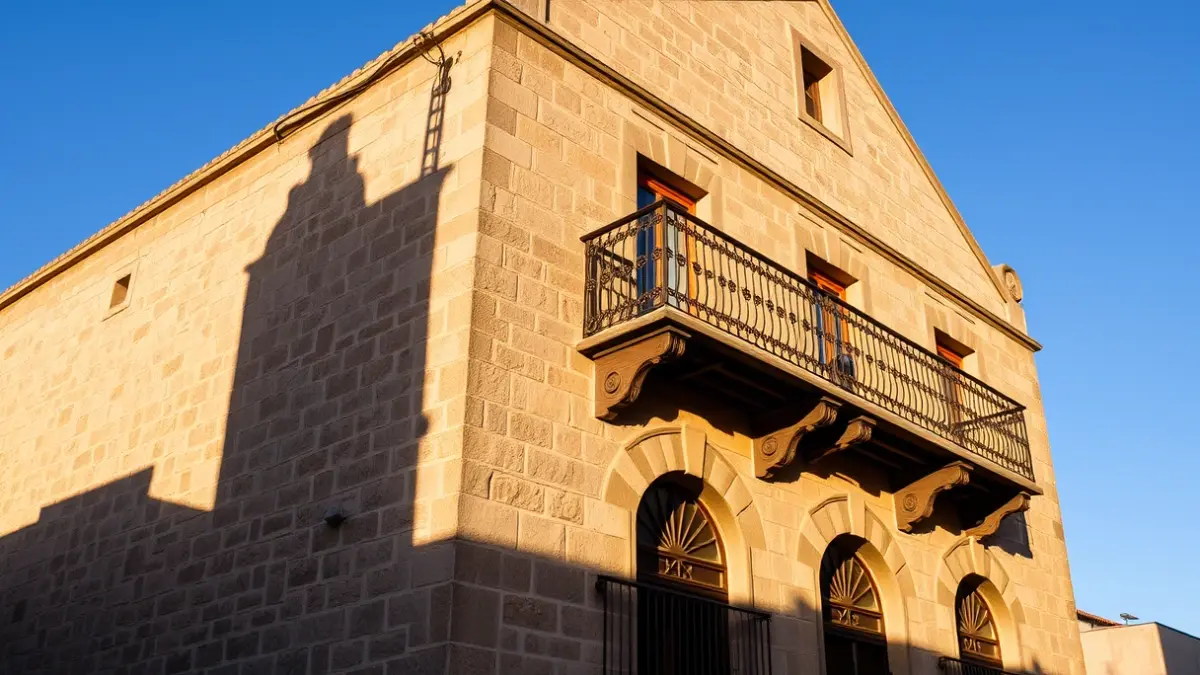
The dispute over the naming of La Tolerancia street in Santa Cruz de Tenerife has concluded, for now, with a judicial setback for the municipal corporation. The High Court of Justice of the Canary Islands (TSJC) has rejected the appeal filed by the council, ratifying the nullity of the decree that intended to rename the street as 'Arquitectos Saavedra y Díaz-Llanos'. This resolution supports the position of the street's residents, who advocated for the prevalence of the historical denomination.
The origin of this litigation dates back to December 17, 2021, when a mayoral decree ordered the modification of the street's name. Months later, on March 17, 2022, the City Council held an institutional event to formalize the new signage. However, this administrative decision was challenged in court and has now been dismissed again on appeal to the TSJC.
The Contentious-Administrative Chamber considers that the municipal decree was “null and void”. The main reason is the “lack of sufficient justification” for resorting to a “supposed extraordinary cause” that would allow the change to be adopted “exceptionally”.
The ruling emphasizes that neither the decree itself nor the administrative file convincingly justify the urgency for the change. It also dismisses the advanced age of the honored individuals as a valid argument, recalling that their merits had been known for years and that the City Council had ample time to process the decision through ordinary procedure.
The court also criticizes the local corporation, pointing out that if the urgency was real, it is inconsistent that the formal inauguration of the name change was delayed for four months. To this contradiction, the TSJC adds the absence of technical or legal reports supporting the exceptionality of the agreement. For the Chamber, the file lacked the essential procedures to support such a decision, leading to the radical nullity established by law.
The ruling clarifies that absolute nullity produces 'ex tunc' effects, meaning from the moment the annulled act was issued. This implies that the mayoral decree must be considered as if it had never existed. Therefore, once this resolution becomes final, the Council must carry out all necessary actions to eliminate any trace of the name change.