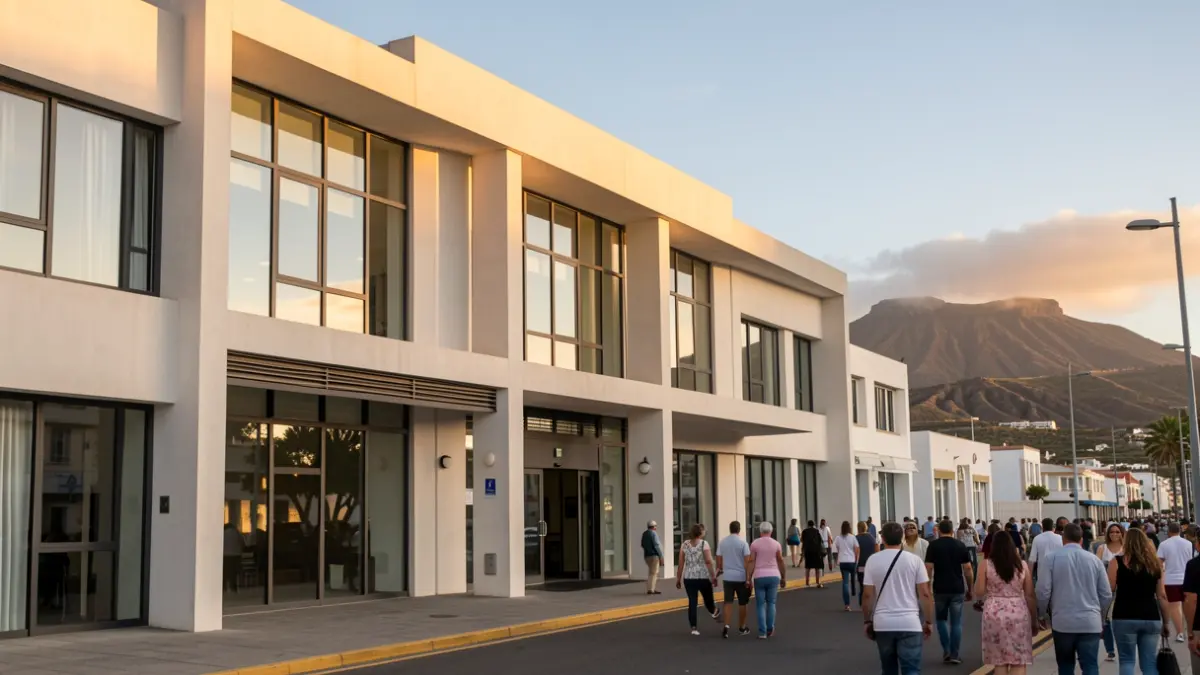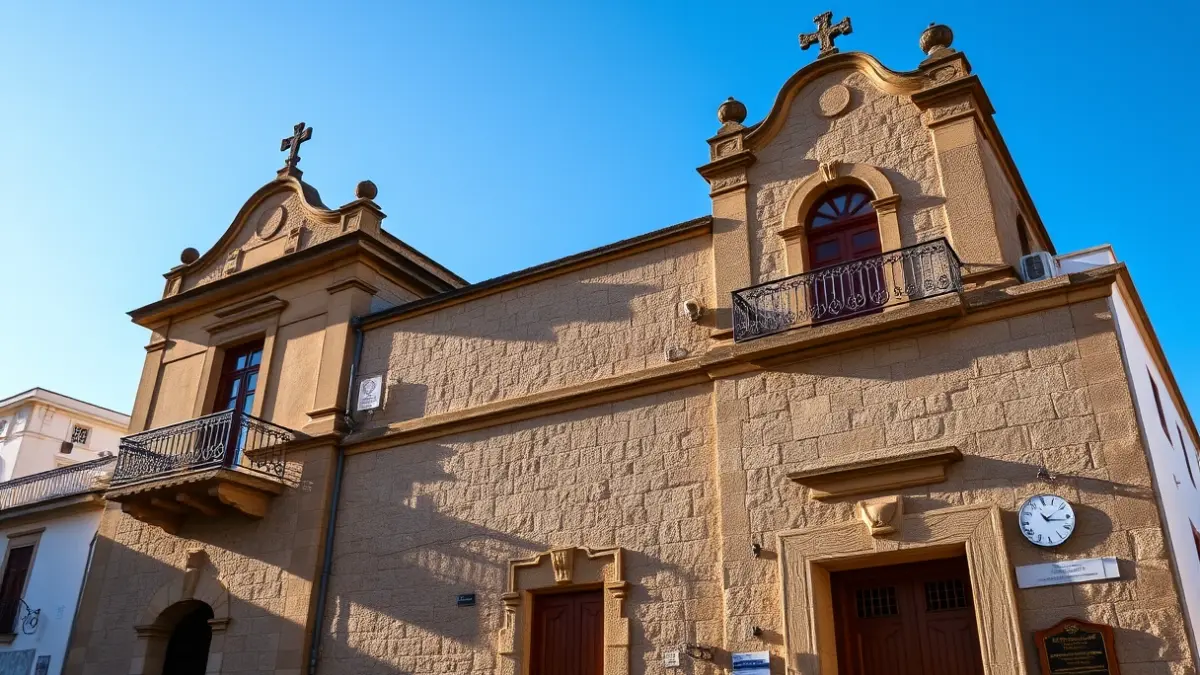
The TSJC's decision declares the decree issued by the Mayor's Office in 2020 “null and void.” The ruling emphasizes that absolute nullity has retroactive effects, meaning the annulled decree “must be considered as if it had never existed.”
“"For all intents and purposes, in this Most Loyal, Noble, Invincible, and Most Beneficent City, Port, and Plaza of Santa Cruz de Santiago de Tenerife, a street named Arquitectos Saavedra y Díaz Llanos has never existed."
As the ruling can still be appealed before the Supreme Court, the TSJC has indicated that, once the judgment is final, the local corporation “must deploy all necessary actions to erase any trace of the name change.”
The name Tolerancia street was established in 2008, in compliance with the Historical Memory Law, replacing a previous denomination. However, in 2020, the city's mayor chose to rename the street in honor of the aforementioned architects through an urgent decree, bypassing the mandatory agreement of the municipal plenary session.
Following an initial appeal, a court annulled the change in 2023. The City Council then appealed to the TSJC, attempting to summon the architects' relatives to defend the new nomenclature. As none appeared, the dispute returned to the original court, which again ruled in favor of the appealing lawyer. This led to a new municipal appeal before the TSJC, whose final ruling has now been disclosed.
The TSJC dismissed the City Council's arguments, which attempted to justify the omission of the plenary session by citing the advanced age of the honorees to process the decree quickly. The magistrates recalled that “the general rule in our country is that streets are dedicated to deceased persons” and noted that the professionals' merits did not arise “the day before the decree,” but rather their career was extensive, implying that the City Council “had years to make this decision.”
The court criticized the corporation for resorting to urgency when its own “passivity” created the haste. Furthermore, it questioned that, if there was such urgency, “it is not understood why the formal inauguration was then delayed for a whole four months.” The TSJC concluded that the Mayor's Office file “lacks all procedure,” as there was no technical or legal report supporting the exceptional nature of the measure. The correct legal channel would have been a prior consultation with political groups or a report demonstrating the urgent need for the change based on citizen demand, procedural tools that the City Council “never resorted to,” according to the ruling.