The initiative, promoted by the Directorate General of Emergencies, seeks to remind citizens that many forest disasters stem from carelessness or avoidable actions. It stresses the need for extreme caution, particularly during high-risk months.
The campaign highlights common practices that increase danger, such as using machinery that generates sparks, setting off fireworks during celebrations, or having barbecues in unauthorized areas or without adequate safety measures.
Through various media including television, radio, outdoor advertising, and social media, the campaign aims to convey that prevention starts with individual actions and avoiding recklessness can avert severe consequences for people, natural heritage, and property.
“"The vast majority of citizens act responsibly, but a single act of recklessness can cause irreparable damage. Forest fires are not the result of bad luck or chance; they often stem from a human action that could have been avoided."
Minister Manuel Miranda emphasized that prevention is the most effective tool against fires and highlighted the importance of respecting restrictions set by island councils and following emergency and civil protection services' recommendations. He added that preparedness for fires involves planning, coordination, and year-round prevention, enhancing surveillance and response systems.
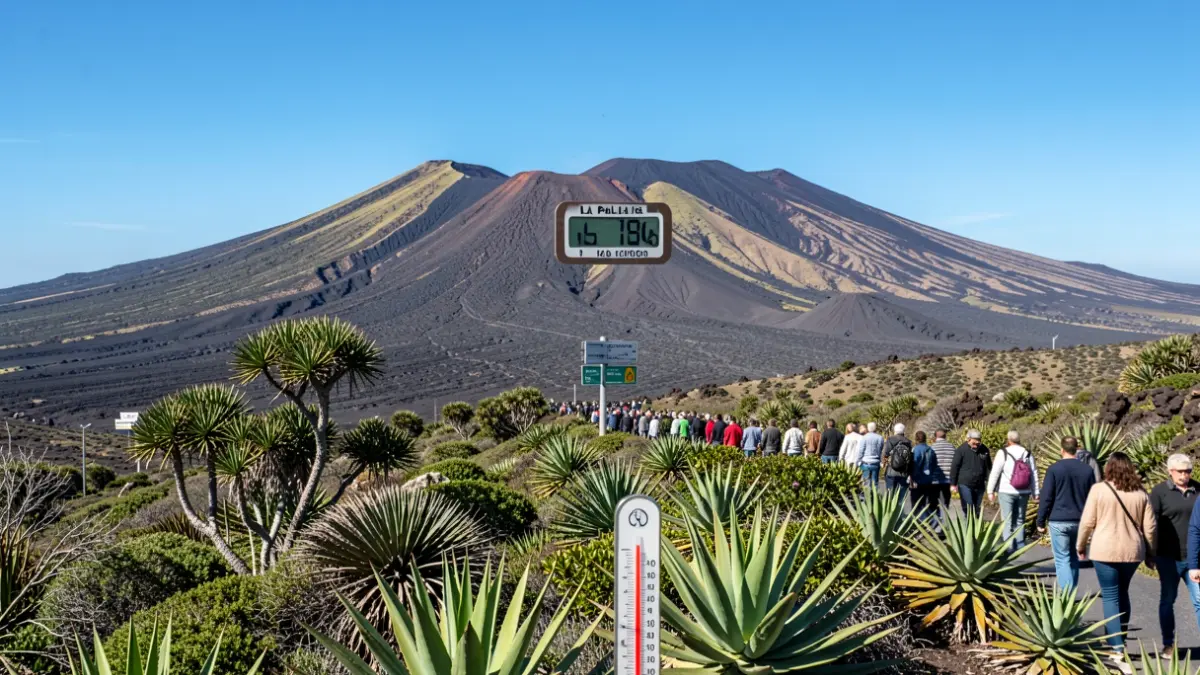
So far this year, Canarias has recorded six forest fire conflagrations: one in La Palma, four in Gran Canaria, and one in Tenerife, all controlled in their initial stages. The minister specifically warned about the risks in urban-forest interface zones, where the proximity of homes to forest areas increases danger.
Changing climatic conditions have led to the activation of the INFOCA Plan outside the summer season in previous years, making fires more intense and difficult to extinguish. Consequently, the Government of Canarias and the island councils have reinforced resources for prevention, surveillance, and extinction.
In 2025, 41 conflagrations were recorded, most affecting less than one hectare, thanks to the swift intervention and coordination of various operational teams. The CECOES 112 reiterates the importance of immediate alerts for any sign of fire, providing precise location details for an effective response.
This year's campaign will involve over 2,600 personnel, 20 forest fire engines, and 19 aerial resources. A third EIRIF helicopter and three new light fire engines will be added. Additionally, 23 drones equipped with thermal cameras will support surveillance and firefighting efforts.