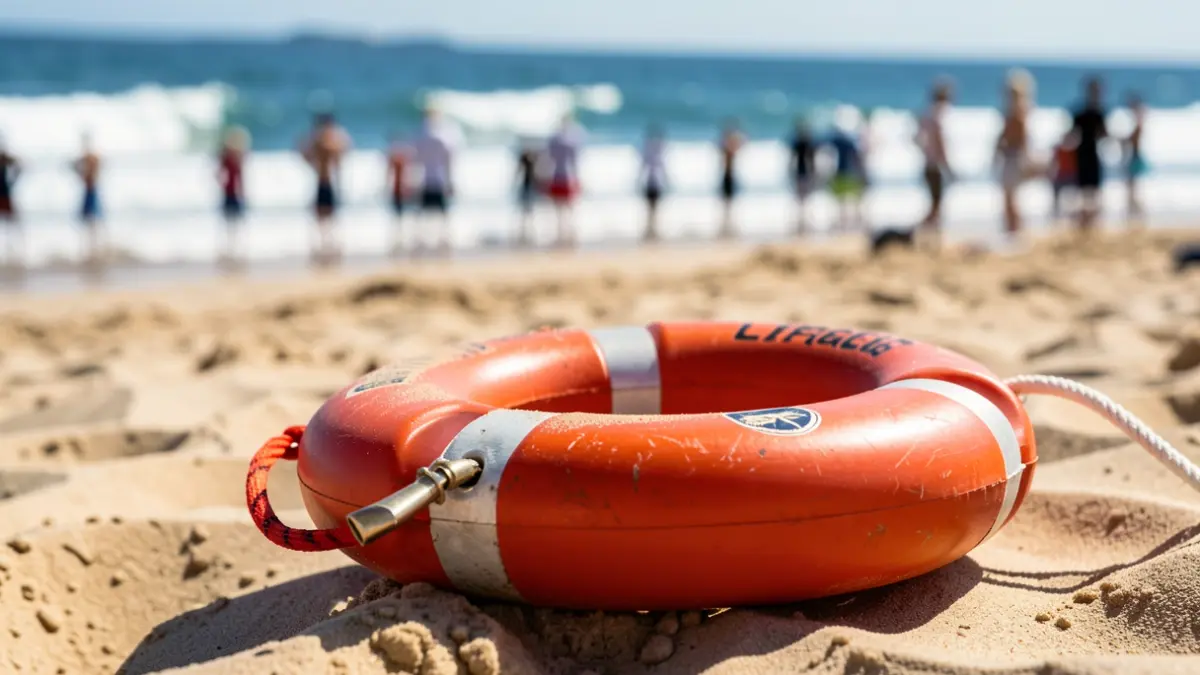
Lifeguards working at beaches, swimming pools, and natural spaces in the Canary Islands are nearing the finalization of their first regional collective bargaining agreement. A preliminary agreement reached between UGT and employers includes an accumulated salary increase of up to 46.5%, a reduction of the working week to 37.5 hours, and general improvements in the working conditions for this group, considered essential for safety on the archipelago's coasts.
According to information from UGT, the gross monthly salary could reach 1,843 euros. The initial planned increase is 30% in the base salary, with an annual update of 3%. By the end of the agreement's validity, the accumulated increase will reach 46.5% for lifeguards, while boat masters will see a 55% increase and team leaders a 62.76%.
The agreement also establishes a payment of 180 euros for each public holiday worked. It addresses the challenges faced by personnel stationed in hard-to-reach areas, such as El Hierro, La Gomera, La Palma, and La Graciosa, where salaries could exceed 2,000 euros in some cases. Regarding working hours, the annual total will decrease from the current 1,752 hours to 1,690 hours, equivalent to 37.5 hours per week.
The agreement will specify the work equipment that companies must provide, including fins, which until now were not mandatory to supply to staff. UGT highlighted that previously the Sports Facilities Agreement was applied, which did not reflect the specificities of rescue and lifeguarding activities.
Héctor Fajardo, Deputy General Secretary of Organization and Communication for UGT Canarias, linked the improvement of sector conditions to the aquatic accident rates in the islands, arguing for the need for trained and well-remunerated professionals in coastal areas and hotel pools.
According to data cited by the Association for the Prevention of Accidents in the Aquatic Environment Canarias, 69 people died from drowning in the archipelago in 2025, and 31 so far this year. Migueiz Montan Nicolás, sector spokesperson for UGT, described the group as "a mistreated sector" and believes the preliminary agreement sets a positive precedent.
UGT emphasizes that this preliminary agreement represents professional recognition for a sector considered key in the Canary Islands and thanks the delegates for their participation and the employers for their willingness to improve working conditions.