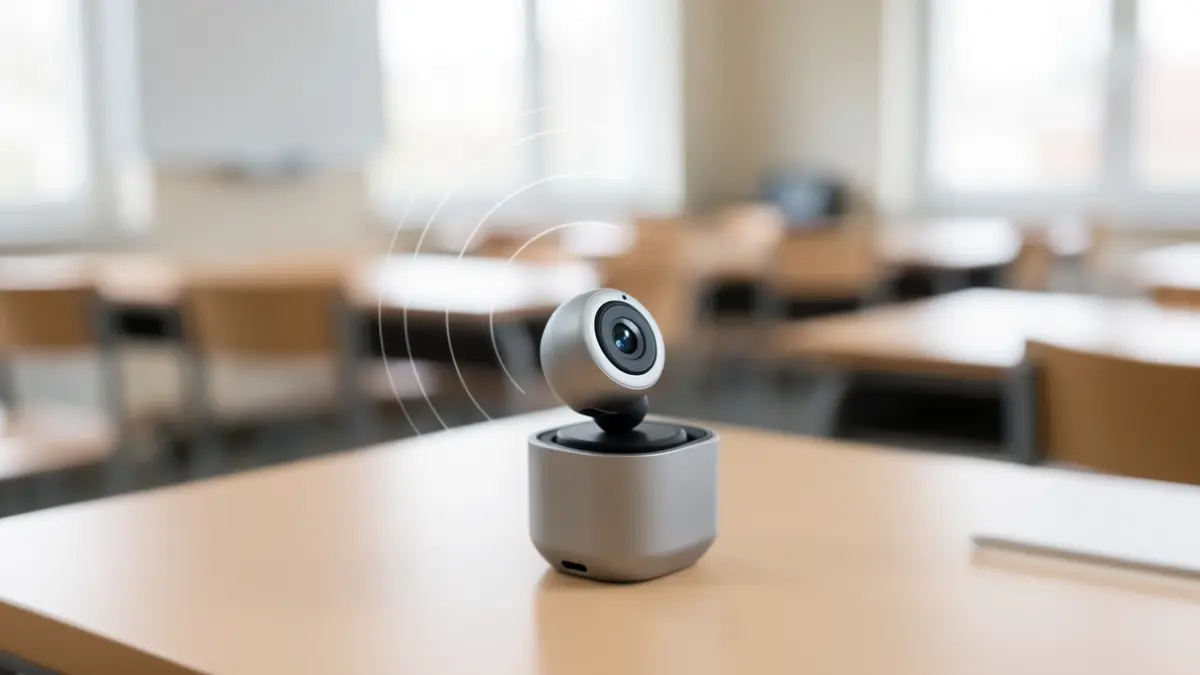
Concerns about fraud in university entrance exams have evolved beyond traditional hidden notes. The rise of smartwatches, camera-equipped glasses, and tiny earpieces has prompted educational authorities in the Canary Islands to implement new surveillance measures for the 2026 PAU. Radiofrequency detectors will be used randomly in some examination venues to scan for Wi-Fi and Bluetooth emissions during the tests.
This initiative follows the detection of fraud cases involving smart devices in previous years, although the Ministry of Education notes these incidents are infrequent, typically involving two to three cases per edition. The goal is to test the system's effectiveness during the June examination period and consider its broader implementation in future academic years. The technology will not be present in all classrooms but will be deployed selectively to detect devices like digital watches, smart glasses, or earpieces capable of receiving external information.
Surveillance is adapting to the increasing sophistication of cheating methods. If detectors indicate that a student is receiving information during the exam, the relevant examination board can annul the test for that student, potentially leading to the complete disqualification from the PAU and impacting their university admission prospects.
In addition to the new technology, classroom entry rules will be more stringent. Mobile phones and similar devices must be turned off and stored away, and backpacks and bags must remain closed. The use of caps, scarves, and headphones is prohibited, with students required to keep their ears uncovered to prevent hidden auditory devices. Sharing materials, including pens, among students will also not be permitted.
The ordinary session of the 2026 PAU in the Canary Islands is scheduled for June 2, 3, 4, and 5, with the extraordinary session planned for the end of the month. Over 10,000 students are preparing for this crucial examination, which this year enhances its controls to ensure fair competition and combat technological fraud.