The Minister of Health has insisted that she has kept the regional president informed about the management of the vessel and has deemed the "political controversy" arising from the leader's opposition to the ship's arrival in the islands unnecessary.
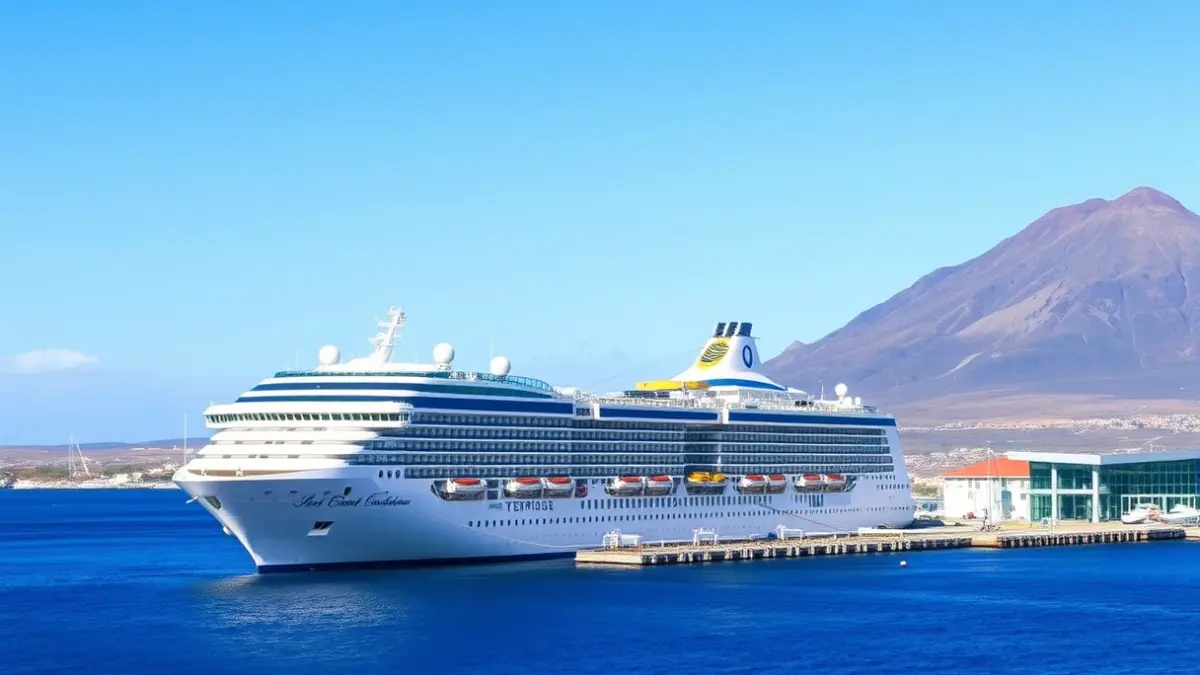
From La Moncloa, after a meeting with several ministers, the decision was ratified for the MV Hondius, with over 140 people on board, including 14 Spanish citizens, to arrive in the Canary Islands. This stance contrasts with the statements of the regional president, who had expressed his disagreement and accused the Central Government of lack of information and a "change of criteria".
“"We have had permanent communication at all levels for information, to assess risks and to coordinate the response."
The head of Health has denied the accusations, assuring that her department has shared all available information with the Government of the Canary Islands and that technical teams have maintained continuous contact. Furthermore, she announced that the Government of the Canary Islands will be invited to meetings with European countries that have nationals among the passengers to coordinate repatriation protocols.
The decision to direct the ship to the Canary Islands is based on a request from the World Health Organization (WHO), which identified Spain as the country with the closest port capable of guaranteeing the necessary safety and public health conditions. The Minister of the Interior has supported this position, highlighting Spain's technical capabilities as a member of the European Union to manage such an emergency and ensure the safe repatriation of all affected individuals.
“"The World Health Organization is the one that determined and asked us yesterday to go to the Canary Islands and that Spain, the country with the closest port within the framework of the International Health Regulations, attend to the situation."
Both ministers have stressed that the decision also responds to humanitarian, ethical, and moral reasons, as well as legal obligations derived from international health regulations and various conventions of the International Maritime Organization, in addition to the Spanish Constitution itself. The Central Government remains "attentive" and monitors the situation "minute by minute" in coordination with the WHO and the European Commission.
At the Moncloa meeting, it was decided to activate the European civil protection mechanism to coordinate the repatriation of EU citizens. The port of Granadilla de Abona has been deemed suitable due to its expansion and proximity to the airport. The Government will also contact the 14 Spanish citizens on board and their families to inform them and convey reassurance.