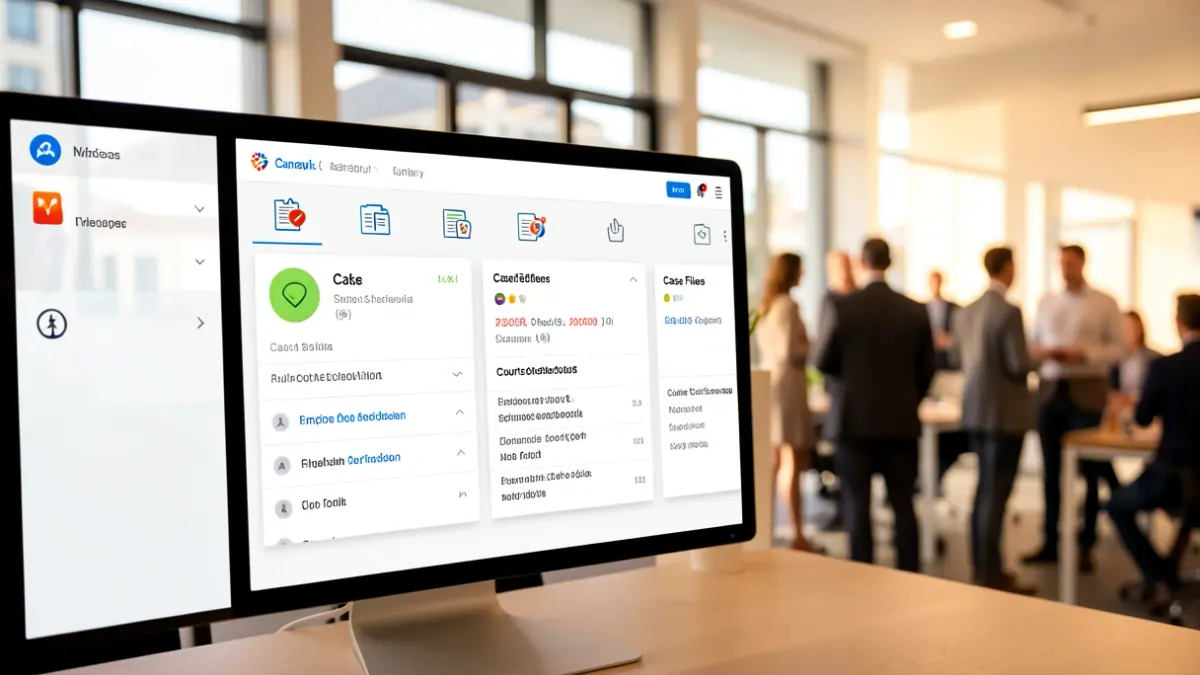
The new digital platform Carpeta Justicia, promoted by the Ministry of the Presidency, Justice and Relations with the Parliament, is now operational in the Canary Islands. This portal allows citizens, legal professionals, and companies to carry out various procedures online, from their mobile devices or computers.
Users can consult notifications, resolutions, court hearing schedules, and check the status of judicial cases, as well as summarize or anonymize documents. Furthermore, the platform facilitates the booking of prior appointments at the Civil Registry and territorial Justice management bodies, optimizing digital interaction with the Justice Administration.
Through its website (www.carpeta.justicia.es) and mobile application, court registrars, lawyers, social graduates, and the general public can streamline their procedures, avoiding unnecessary travel and accessing services whenever needed.
Carpeta Justicia is already available in several autonomous communities and autonomous cities, covering approximately 50% of the Spanish population. The Ministry plans its activation in other regions soon.
The platform has over 753,000 unique users nationwide, with more than 60,000 being judicial sector professionals, representing 36% of active professionals. Usage is particularly high among court registrars (90.6%), lawyers (33.6%), and social graduates (24.4%). In the last 12 months, the tool has seen a 75% growth, adding over 320,000 new users. The mobile application has recorded over 85,000 downloads.
This deployment is part of the Ministry's Justice digitalization strategy, aiming for a more modern, agile, efficient, and citizen-centric public service.