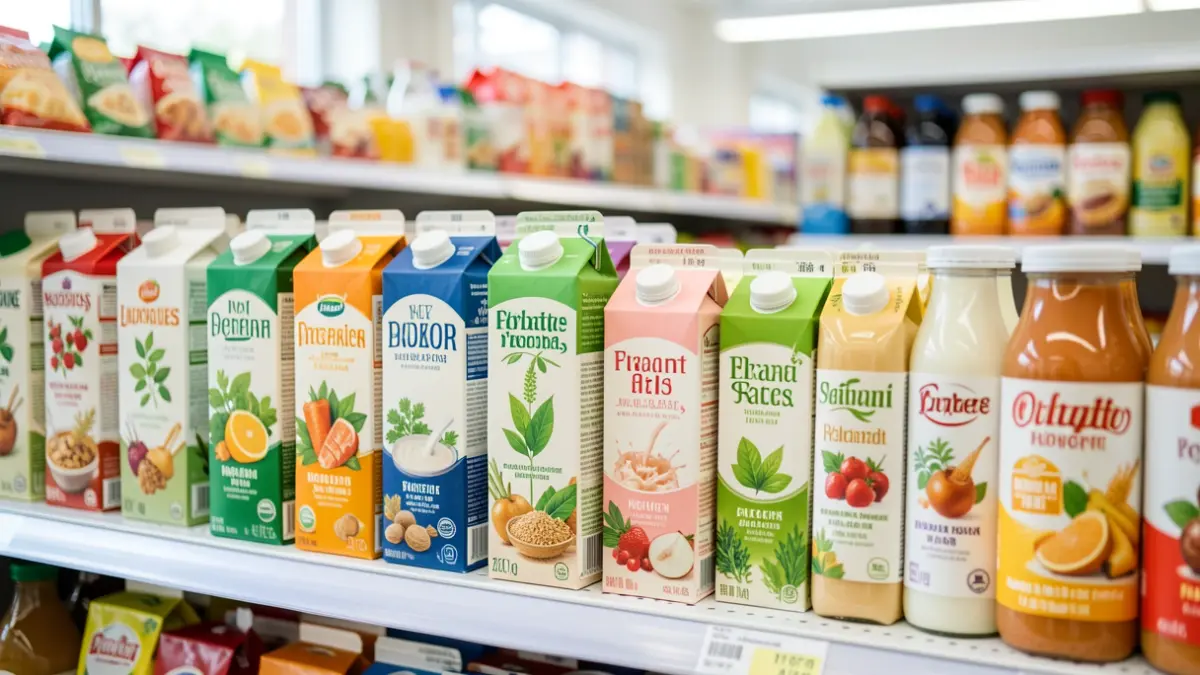
Plant-based drinks, made from legumes, nuts, cereals, or seeds crushed with water, are establishing themselves in the dairy section of supermarkets. Although not strictly milk, many people choose them for their benefits to gastrointestinal health, especially in cases of intolerances or to ease digestion.
Nutritionally, these drinks differ from animal milk, lacking the same contribution of calcium or omega-3. Commercial versions often include added sugars, sweeteners, or other additives to improve flavor. Their nutritional value depends on the main ingredient (almonds, soy, oats, etc.) and its concentration, but generally, they are interesting foods to incorporate into various diets.
They are classified into three main groups: those based on cereals or pseudocereals (quinoa, oats, spelt, rice) rich in carbohydrates; those from legumes like soy, with higher protein content; and those from fruits or nuts (coconut, almonds, walnuts, hazelnuts), which provide healthy fats.
The increase in their consumption is also due to the growing intolerance to dairy products and the decrease in lactase effectiveness with age. These drinks typically have healthier lipid profiles, contain no cholesterol, and are low in sodium, making them suitable for restrictive diets.
As a disadvantage, the protein content in plant-based drinks is generally lower in quantity and quality than in milk, with the exception of soy milk. Although they are low in calcium, many commercial options are fortified with this mineral.
Preparing them at home is simple: blend the soaked main ingredient and strain it. Among the most popular options are soy milk, rich in protein and unsaturated fats; almond milk, with calcium and phosphorus for bone health; rice milk, light and digestive; oat milk, nutritionally complete and high in fiber; spelt and kamut milk, with more protein but containing gluten; coconut milk, creamy and energetic; sesame milk, with high calcium content; hazelnut milk, beneficial for the cardiovascular system; chestnut milk, energizing; tiger nut milk (horchata), with digestive enzymes; quinoa milk, with high biological value proteins; and teff milk, rich in protein, iron, and calcium.