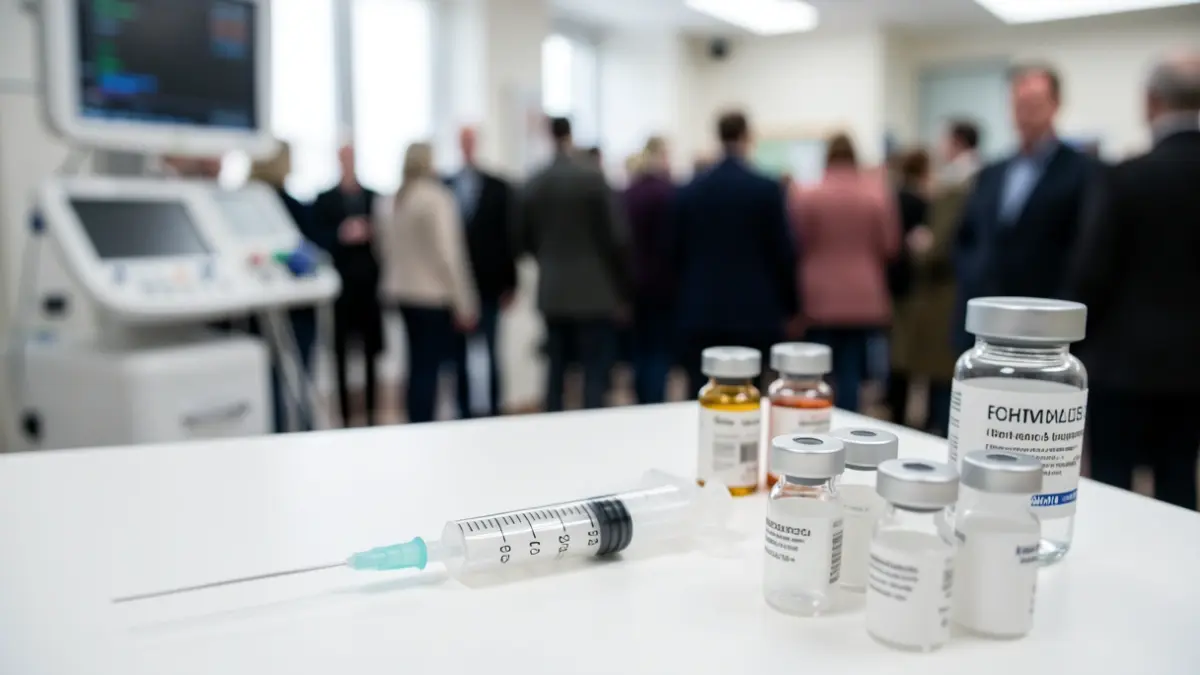
The Government of the Canary Islands, through the Primary Care Management of the Tenerife Health Area, has reinforced its prevention network with the opening of a new screening point at the Los Gladiolos Health Center. This initiative is part of the Screening Point project, designed to bring early diagnosis of sexually transmitted infections (STIs), HIV, and viral hepatitis closer to the population.
This new facility joins existing ones at the health centers of Añaza, La Cuesta, and San Isidro, the Local Clinic of Garachico, and the Emergency Service of Puerto de la Cruz. The Los Gladiolos screening point operates from Monday to Friday mornings, consolidating the commitment to sexual health on the island.
The Screening Point project, launched in February 2023 in collaboration with the General Directorate of Public Health of the Canary Islands Health Service and the laboratories of Tenerife's university hospitals, offers confidential, accessible, and efficient testing. In case of positive results, medical follow-up and guidance for prevention and vaccination are provided.
Since its implementation, the project has served thousands of users. In the first half of 2026, 6,074 consultations were recorded, with a positivity rate of 29.02%. The most detected pathologies were chlamydia (473 cases) and gonorrhea (178 cases), in addition to twenty-two new HIV diagnoses. It is highlighted that many patients are asymptomatic, underscoring the importance of these tests in breaking transmission chains.
Project managers observe an increase in user attendance, which they link to a cultural shift towards normalizing sexual health care. Periodic screenings are increasingly seen as a routine self-care practice, reflecting a more informed society that prevents and acts promptly.
The program includes a nursing consultation for individualized health education, addressing concerns and assessing risks for patient empowerment. This action complements the automated HIV early detection system in hospital emergencies and collaborates with NGOs on community rapid testing since 2010.