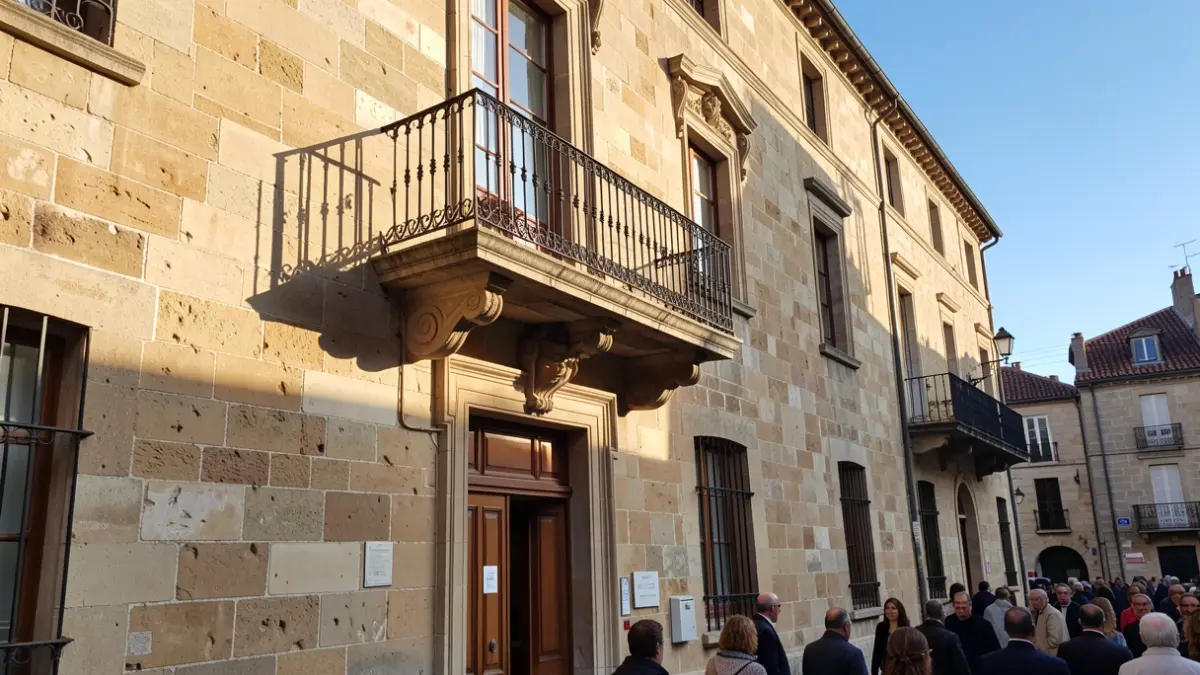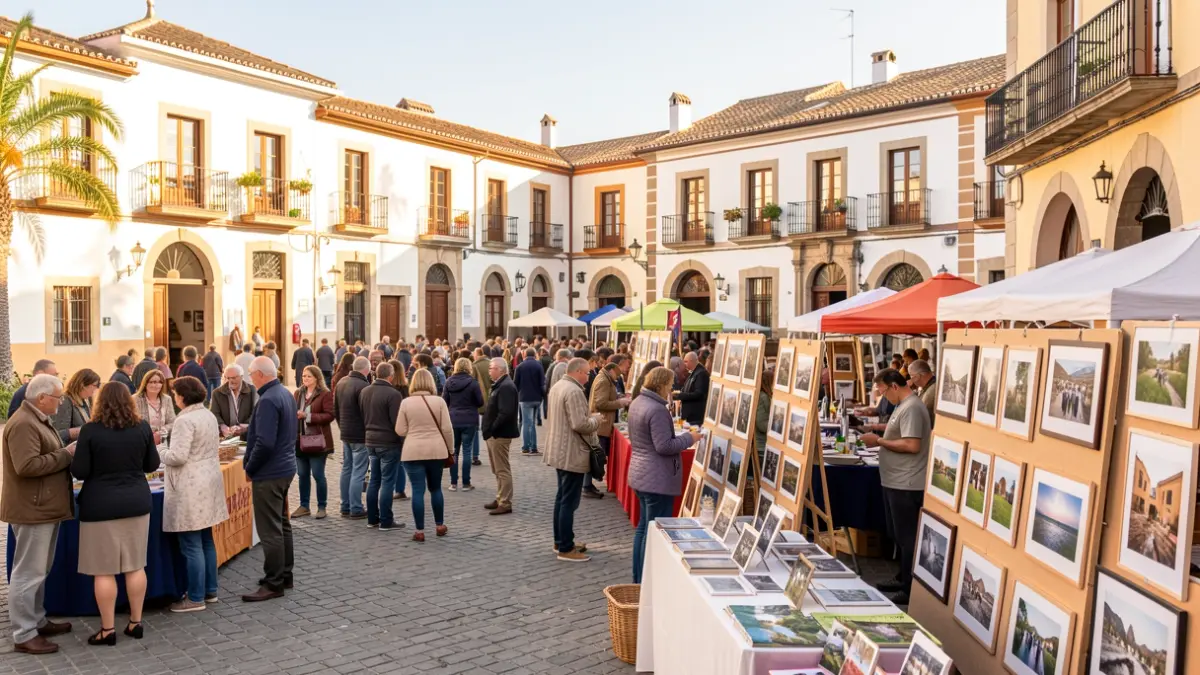
The publication, driven by the Valsequillo de Gran Canaria City Council and developed by the University Foundation of Las Palmas (FULP) through the Cultural Chair of Science and Gastronomy of the University of Las Palmas de Gran Canaria (ULPGC), was unveiled at the Cronista Oficial Jacinto Suárez Martel Theater.
The Chair's director, José Antonio González, explained that the project aims to demonstrate that the midlands of Valsequillo harbor a dynamic agri-food system, where the landscape, productions, culture, and community remain interconnected.
The research team, composed of José Antonio González, Belén Alonso, and Ana L. Álvarez, views the volume as a tribute to current and past residents. The collaboration of nearly ninety participants, including farmers, ranchers, chefs, and merchants, who shared their culinary knowledge to document the ethnographic richness, is highlighted.
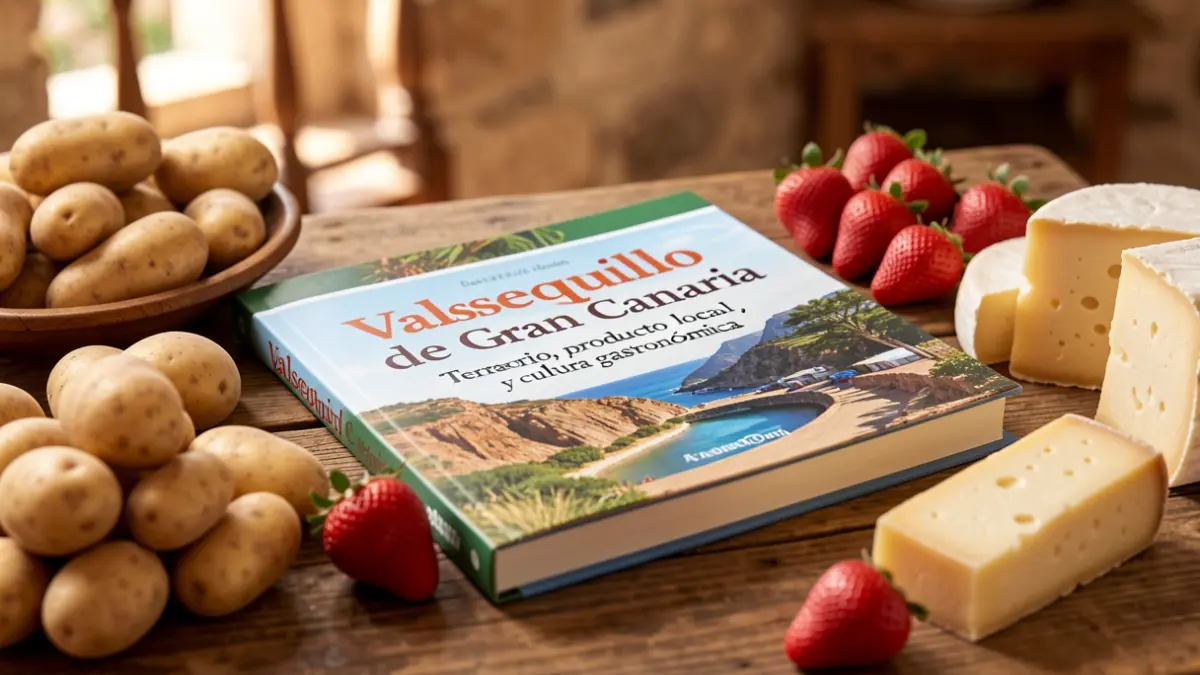
The publication emphasizes the quality of iconic products such as potatoes, strawberries, cheeses, honeys, almonds, and citrus fruits, as well as the local knowledge for adapting diet to the midland geography. This heritage is presented as a resource to promote sustainable tourism and authentic gastronomic experiences.
“"This work results from research by a team specializing in science and gastronomy coordinated by Professor José Antonio González -Pepe Solea- and magnificently illustrated by photographer Arturo Telle. It stems from the participation and gastronomic tradition of our people and the quality of our KM0 products, thanks to the excellence of our primary sector professionals."
The book details the municipality's primary sector, its nutritional and culinary characteristics. It includes a traditional domestic recipe collection and one from proximity restaurants, along with a seasonal calendar of local products and a proposed menu for restaurants.
Víctor Navarro, Councilor for Economy, Employment, and Local Development, highlighted that the publication is part of the government's initiatives to value the environment and the primary sector, mentioning previous projects such as the Casa del Senderista (Hiker's House) and the GastroMercado KM0.
The book's publication was funded by the European Union and the Government of the Canary Islands, through the Recovery, Transformation, and Resilience Plan and NextGenerationEU Funds.