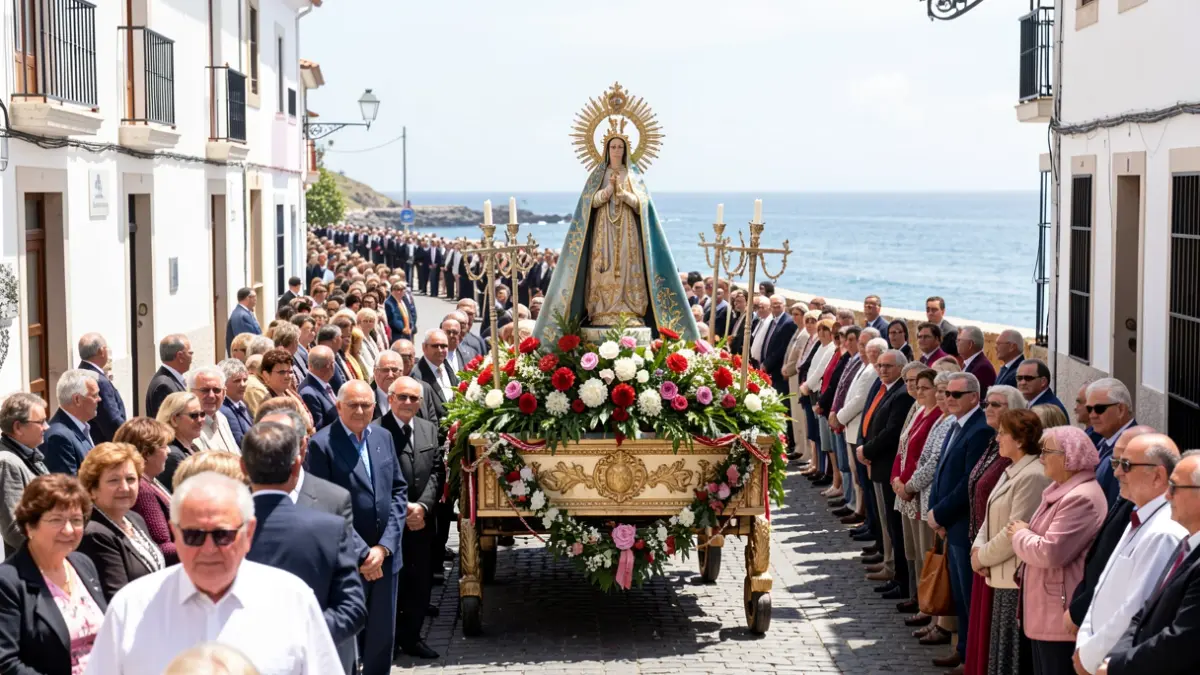
The Fiesta Mayor de Gran Canaria, celebrated in Teror, has reached a historic milestone by being declared a Festival of National Tourist Interest. This distinction, awarded by the Secretary of State for Tourism, positions the celebration as the eighth festival in the autonomous community to receive this prestigious recognition.
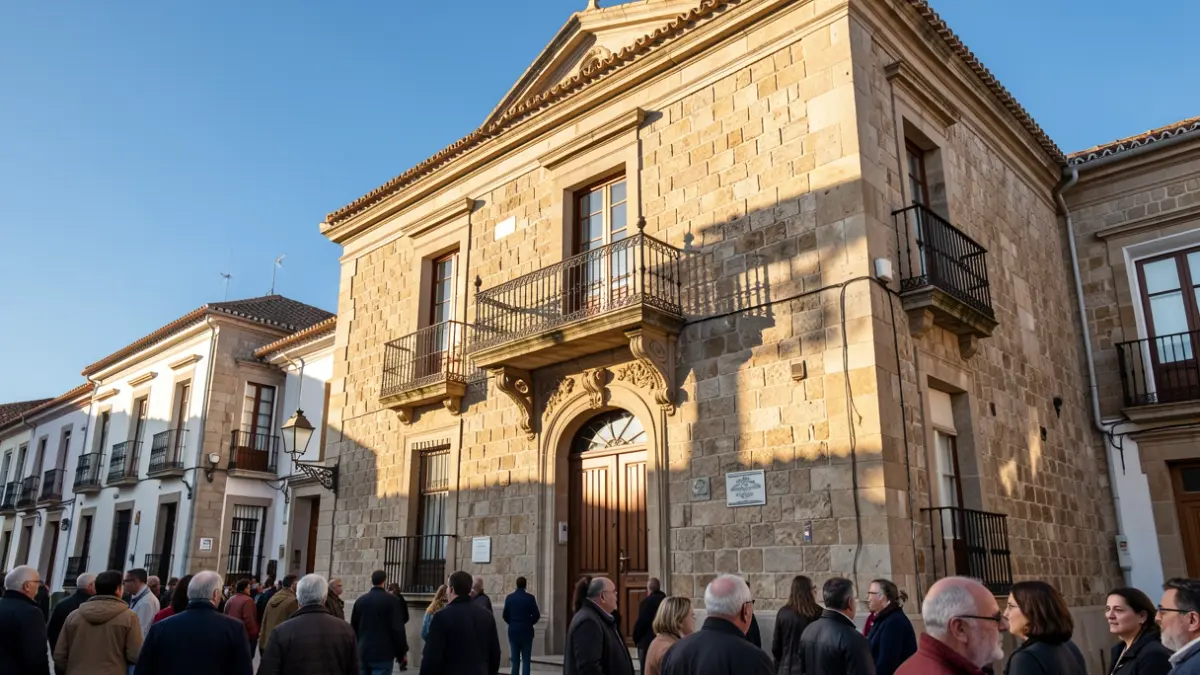
The inauguration ceremony was attended by ministers Jordi Hereu (Tourism) and Ángel Víctor Torres (Territorial Policy), who highlighted the festival's deep roots, tradition, and national projection. Minister Hereu expressed his satisfaction at announcing the distinction in Teror, emphasizing the participation and history surrounding the celebration.
Ángel Víctor Torres, for his part, recalled the approval of the Canary Islands' Statute of Autonomy in 2018, which recognized La Graciosa as the eighth island, and drew a parallel with the current designation of the El Pino festival. The minister described Teror through its most emblematic elements: the Virgen del Pino, the traditional music groups (parrandas), matalauva bread, and cured cheese, adding that from today onwards it is also synonymous with a Festival of National Tourist Interest.
The mayor of Teror, José Agustín Arencibia, noted that the application for this declaration began in 2025 and concludes now. He indicated that up to 200,000 people gather in Teror for the El Pino festivities, anticipating that September 7th and 8th will be key meeting points.
The celebration event featured live traditional music, typical attire, livestock displays, and folk dances, with the Virgen del Pino as the central figure.