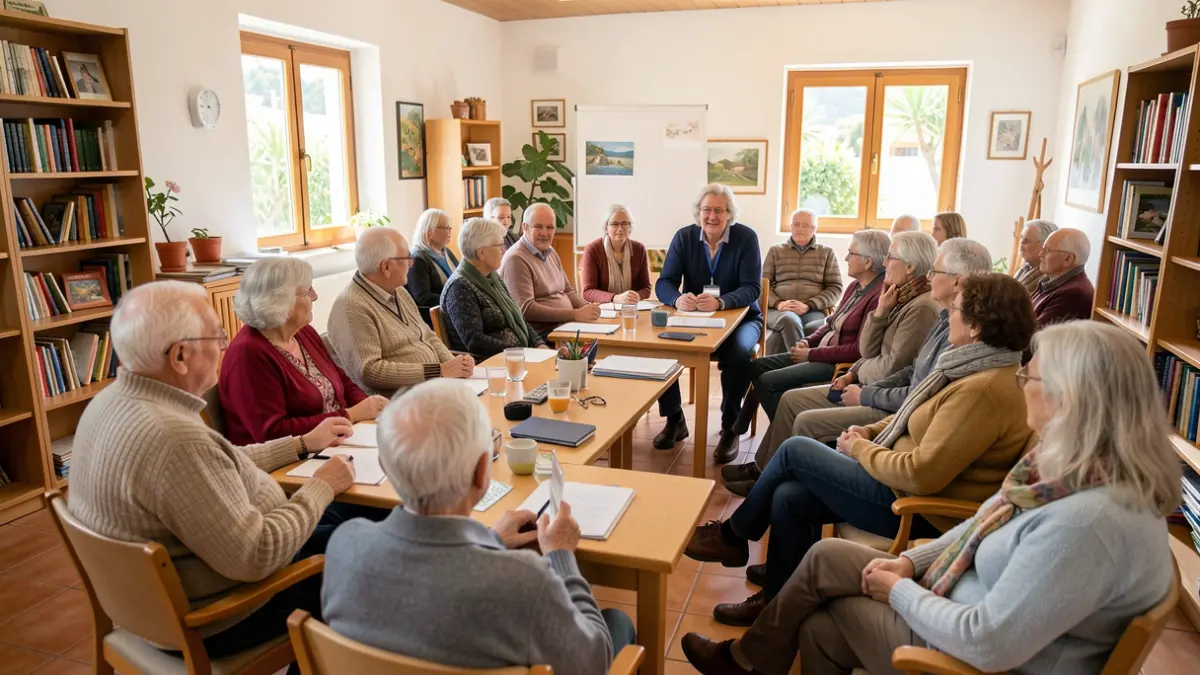
During an informative meeting held within the framework of the 129th Plenary Assembly of the CEE, an ecclesiastical representative from the Canary Islands stressed the need for empathy towards migrants. He suggested that experiencing the conditions of a cayuco for days could shift many people's perspectives on welcoming them.
“"If one wishes to be Christian and human, one must attend to them and care for them."
Another ecclesiastical representative from Tenerife highlighted that the Canary Islands serve as Europe's southern border and a critical arrival point for African migration. He noted that reality often overwhelms local capacities, citing the case of El Hierro, an island with only 9,000 inhabitants that received over 25,000 people last year via the La Restinga pier.
Both prelates are confident that the upcoming visit of Pope Leo XIV in June will not only provide support for the work of the Church and society in this area but also internationally highlight the migratory drama, urging national, European, and international institutions to acknowledge the situation.
Although Arguineguín in Gran Canaria and the La Restinga pier in El Hierro are the main arrival points, it was noted that many migrants reach other areas of the archipelago, and sadly, some do not survive the journey. The solidarity of the population across all islands was emphasized, as was the awareness of the Government of the Canary Islands regarding this reality, including the situation of minors.
Regarding the extraordinary regularization approved by the Government, the bishops expressed agreement with its content, though they indicated that the method of implementation could be debated. A representative from Cáritas Canarias added that this regularization is essential for granting dignity and administrative status to individuals who are already contributing to society.