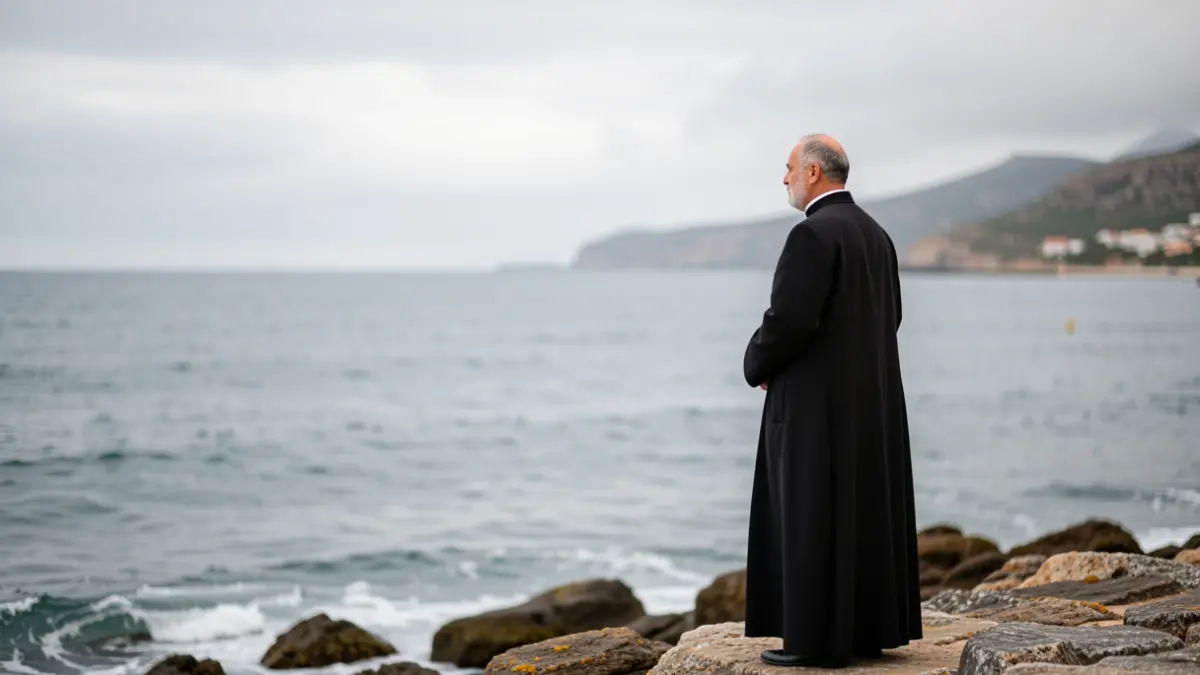
Although Pope Francis's visit to the Canary Islands will not include a stop in El Hierro, a significant part of the island's reality will be present at the papal encounter. Parish priest Darwin Rivas, who serves several parishes on the island, will be responsible for conveying the experiences of the islanders and the attention given to migrants.
Rivas, originally from Venezuela and with six years of service in El Hierro, has been a direct witness to the population's response to the migratory phenomenon. The island has become a key point on the Canary route, receiving thousands of people in "cayucos" and small boats, which has profoundly impacted its social fabric.
The priest will speak at a meeting on migrant integration in the Plaza del Cristo de La Laguna, just before the large Mass that the pontiff will officiate at the port of Santa Cruz de Tenerife. For three minutes, Rivas will aim to convey how life is lived in El Hierro and how arrivals are attended to.
At this meeting, scheduled for June 12th, testimonies from migrants from Africa and Latin America will also be heard, supported by volunteers and aid organizations. Approximately 200 people from El Hierro will travel to Tenerife to attend the Mass, demonstrating the unity of the small island.
Rivas, who is also part of the NGO Corazón Naranja (Orange Heart), dedicated to assisting migrants, emphasizes the importance of welcome and humanity. He has witnessed stories of survival and loss, and laments the anonymous figures of those who have died on the route, such as 'immigrant 36, patera 27', without a name.
The priest highlights the "lesson in humanity" from the people of El Hierro, who attend to newcomers "with the few resources" available. He recalls that the Canary Islanders themselves have a history of migration, which fosters empathy. The ultimate goal, he notes, is the integration of unaccompanied minor migrants who remain on the island, so they can fully coexist.