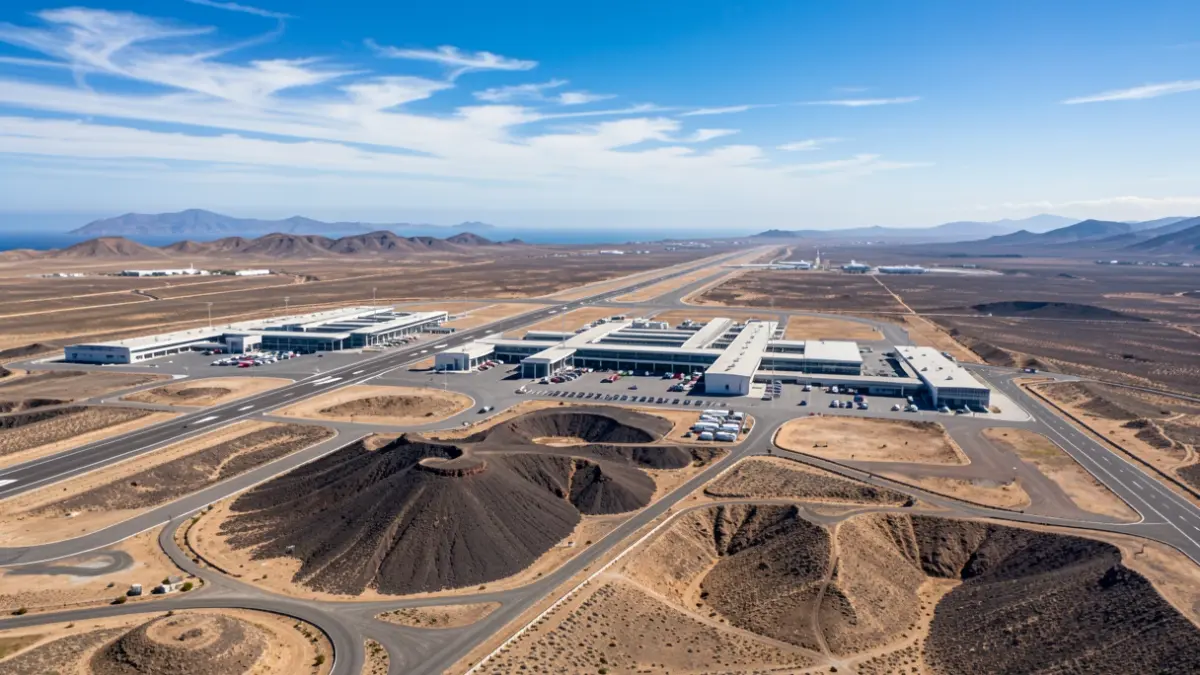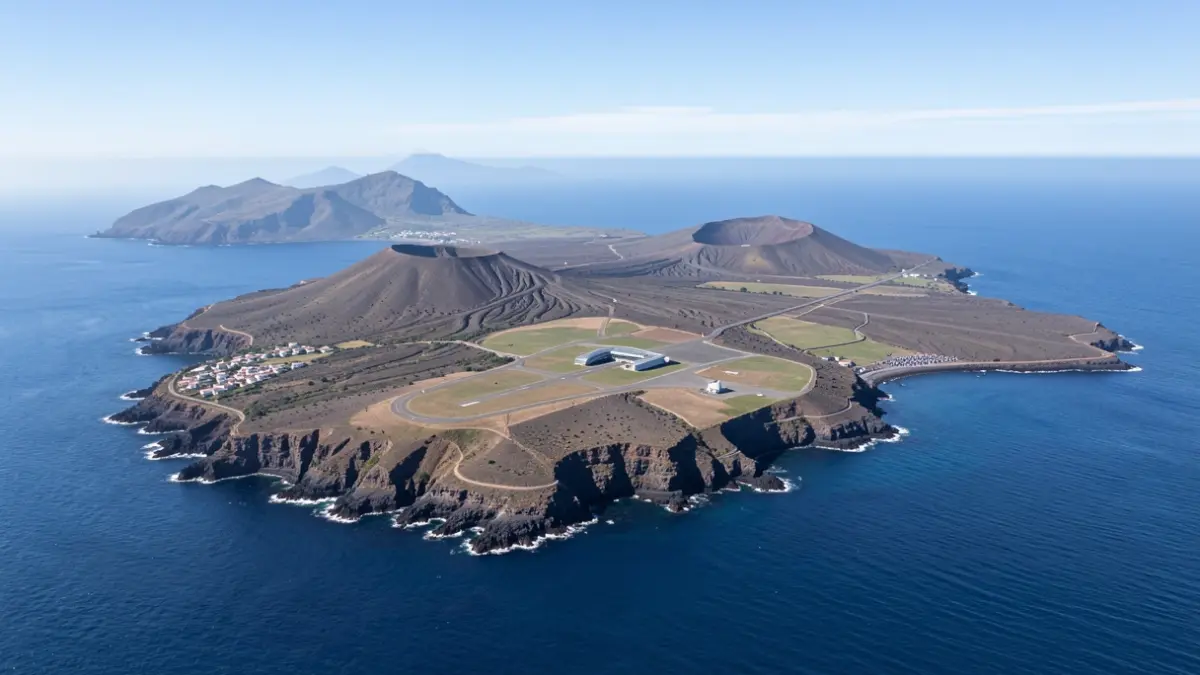
The aerodrome of El Hierro, located in the Canary Islands, emerged as the most efficient in the country for punctuality during the 2026 summer season. Between June and August, it recorded a rate of 87.5% in monthly flights, surpassing other airports with a similar volume of operations.
In the punctuality ranking, Asturias secured the second position with 86.6%, followed by Santiago de Compostela, which achieved 82.9%. These airports formed the podium of the most punctual during the summer period.
Conversely, airports with higher tourist pressure showed the lowest figures. Palma de Mallorca recorded 60.5% punctuality, making it the aerodrome with the worst data. It was followed by Reus (65.7%) and Ibiza (65.8%). The main national airports, Adolfo Suárez Madrid-Barajas and Josep Tarradellas Barcelona-El Prat, were in intermediate positions with 75.3% and 70% respectively.
Overall summer data for 2026 reveals that 26.6% of flights operated in Spain between June 1 and August 31 experienced disruptions, either delays or cancellations. During this period, over 49.2 million passengers used Spanish airports, solidifying Spain as the European country with the highest summer air traffic.
This increase in traffic, representing 5.7 million more journeys than the previous summer, also led to a rise in disruptions for travelers. It is estimated that approximately 561,000 passengers may be entitled to claim financial compensation under European passenger protection regulations.
The actual economic impact on Spanish travelers was considerable, with an average extra cost calculated at 340 euros per passenger due to delays exceeding two hours or cancellations notified more than 30 days in advance. These situations, while not always entitling legal compensation, generated unforeseen expenses such as emergency accommodation and alternative transport.
The summer of 2026 was marked by record passenger numbers and overcrowding at the most tourist-heavy airports, particularly in the Balearic Islands, which affected punctuality and resulted in millions in costs for travelers. Managing demand during peak times remains a challenge, despite European compensation mechanisms.