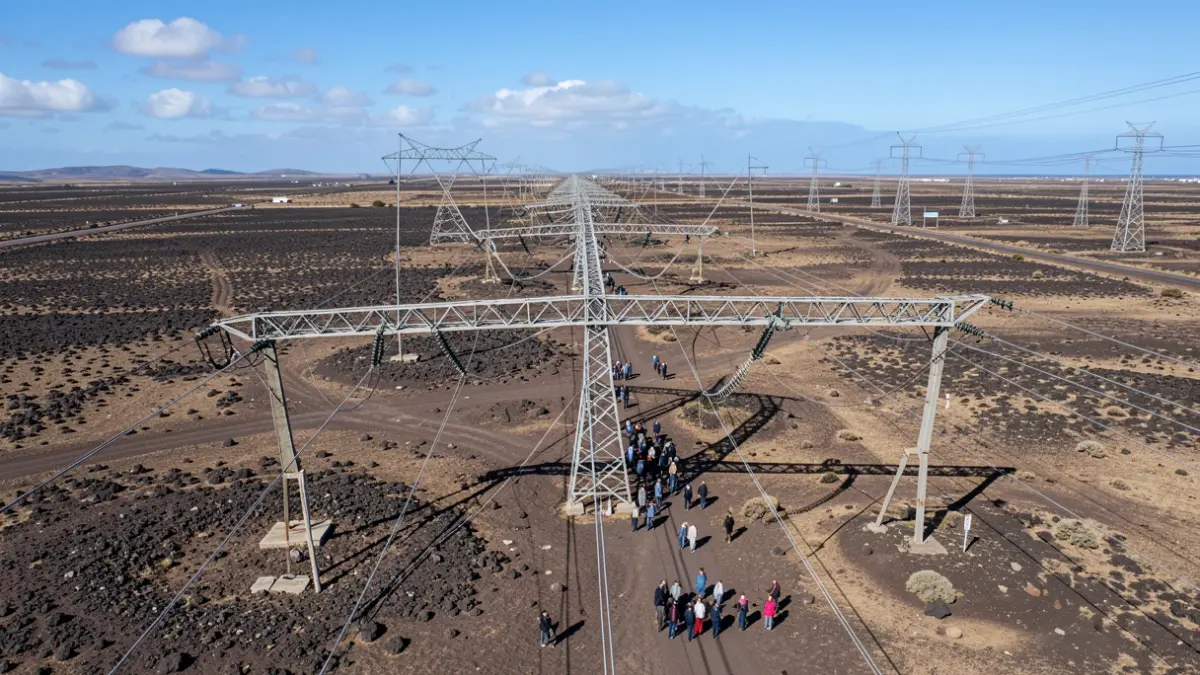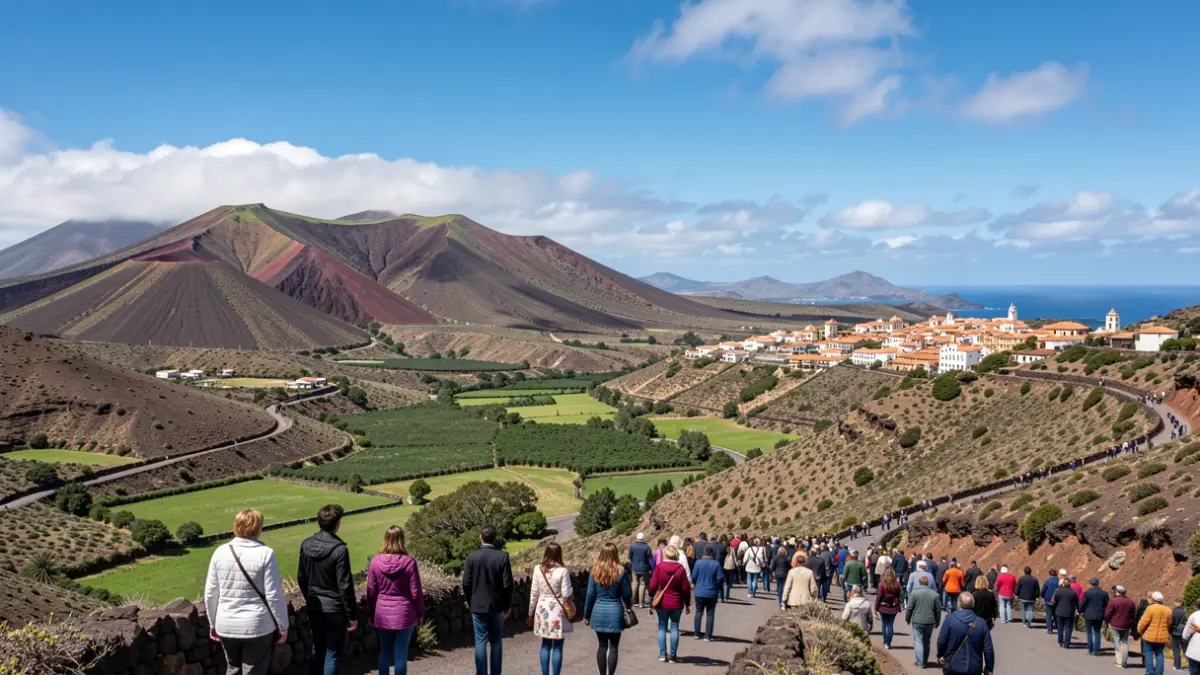
Representatives of Coalición Canaria have voiced their concern regarding the creation of a working group on agro-photovoltaics, warning that the energy transition must not be carried out at the expense of the island's landscape and food sovereignty. According to the party, using agricultural land for solar panels threatens centuries of farming tradition in Fuerteventura.
The party has criticized the recurring use of the 6 bis mechanism for project authorization, describing it as an extraordinary tool being applied routinely. The political organization maintains that the implementation of renewables must strictly adhere to island planning and not merely serve the interests of large energy companies.
“"The energy transition cannot be carried out at the expense of our landscape, and even less so at the expense of agricultural land, because we are endangering the foundation of our food sovereignty."
Regarding offshore wind power, the party's position remains aligned with the unanimous rejection from the local fishing sector. Allegations have been submitted to the Ministry for the Ecological Transition and the Demographic Challenge to exclude areas of Tuineje and Puerto del Rosario from maritime spatial planning, prioritizing the protection of marine habitats.
Finally, regarding the centralization of infrastructure in the La Herradura area, local institutions have insisted on the need for coherent planning. They advocate for concentrating facilities in areas such as Zurita, thereby avoiding the dispersion of projects and ensuring that the dismantling of the El Charco power plant proceeds according to the scheduled timeline until 2030.