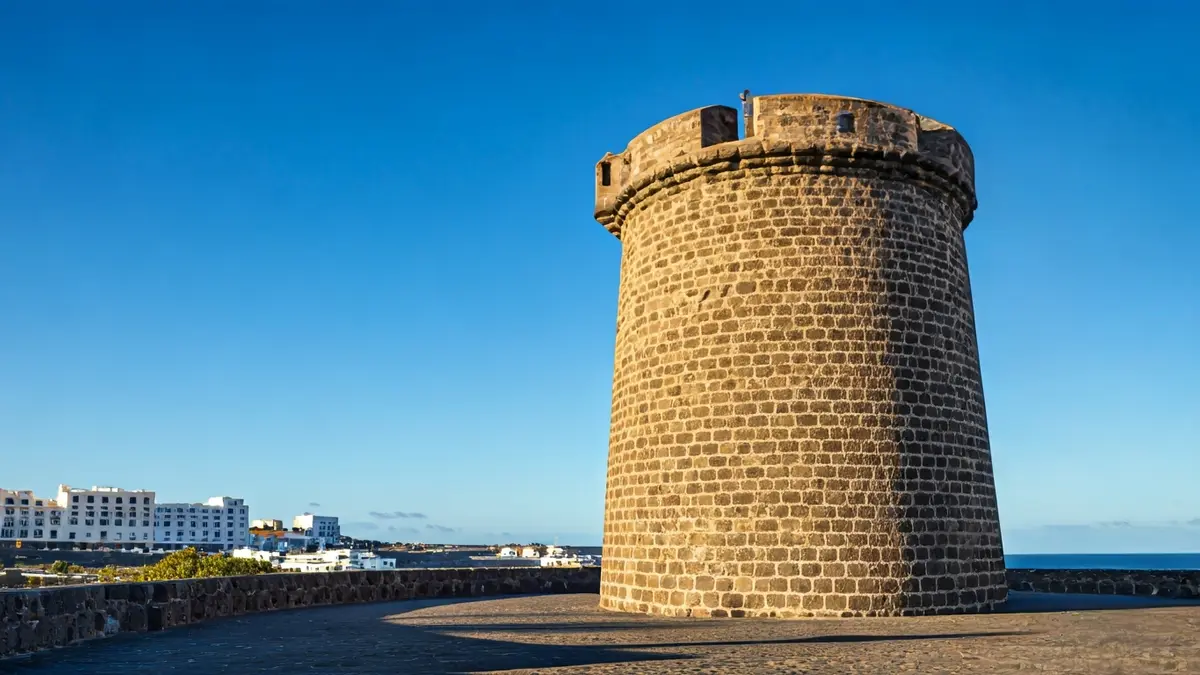
This 18th-century Asset of Cultural Interest (BIC), situated south of El Cotillo, has become one of the main cultural and tourist attractions in the municipality of La Oliva. Its success highlights the Town Council's strategy, through the Department of Tourism, to establish a municipal network of museums that is profitable, sustainable, and generates a positive impact on the local community.
“"The defensive tower is consolidating itself as one of the main cultural and tourist resources of the municipality of La Oliva and as a key piece in the Town Council's strategy, specifically that of the Department of Tourism, to create a municipal network of museums that is profitable, sustainable, and has a direct impact on the local population."
Throughout 2025, visitor numbers exceeded 22,000 people, with a notable presence of tourists from European markets such as Germany, the United Kingdom, Italy, and France, in addition to a significant number of local and Canarian residents. The implementation of a new revenue collection system has optimized efficiency, control, and transparency in management, laying the groundwork for a model that not only seeks to preserve heritage but also to ensure its economic viability.
The successful management of the El Tostón Tower is part of a broader initiative by the La Oliva Town Council to recover and revitalize municipal heritage. This plan includes the progressive creation of a network of museums and interpretive centers in various locations within the municipality, as announced by the Councillor for Tourism, David Fajardo.
This strategy combines heritage conservation with innovation and efficient management, aiming for La Oliva's historical legacy not only to be preserved but also to act as a driver of economic development, strengthen cultural identity, and foster social cohesion. This work involves continuous effort in maintenance, staff management, improvements, and promotion to offer a unique experience that generates additional benefits for the municipality.