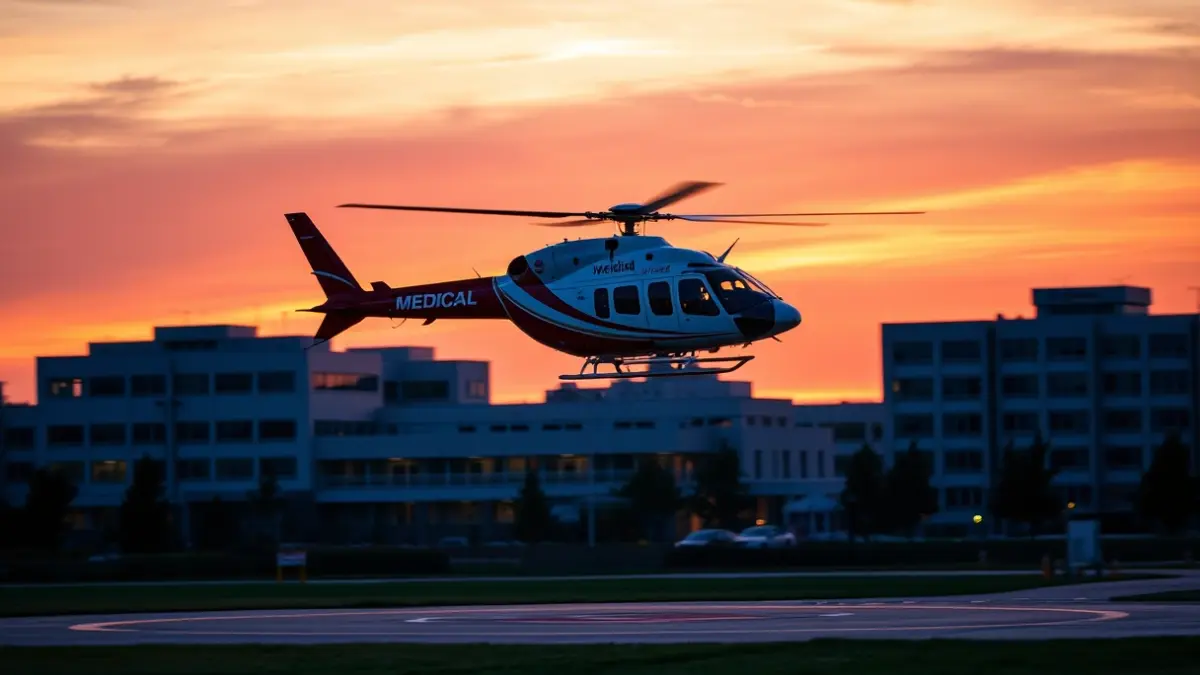
Since the contract came into effect on March 22, 2026, the majority of services, totaling 150 operations, involved transfers between different hospitals. This contract represents an investment of 39 million euros and has allowed for the addition of an aircraft in Fuerteventura to those already operating in Tenerife and Gran Canaria, thus addressing a long-standing healthcare demand on the island.
The aircraft based in Fuerteventura began operations on March 23, 2026. Its first transfer occurred just one hour after its official presentation, transporting a patient from Pájara to the Majorero General Hospital. It is worth noting that the town of Morro Jable, in the south of the island, is 100 kilometers from this hospital.
In addition to inter-hospital transfers, the three helicopters performed 21 interventions to assist affected individuals directly at the scene of an incident and subsequently transfer them to a hospital. Among these actions, the assistance and transfer of the most seriously injured after a tourist bus accident in the municipality of San Sebastián de La Gomera stands out.
“"The three medical helicopters are activated by healthcare coordinators - doctors and nurses from the Canary Islands Emergency Service - from the emergency room based on needs and regardless of the island, following criteria of availability and response time."
Each aircraft has a crew consisting of a commander and a pilot, as well as a medical team comprising a doctor and a nurse, thus ensuring specialized and rapid care in emergency situations.