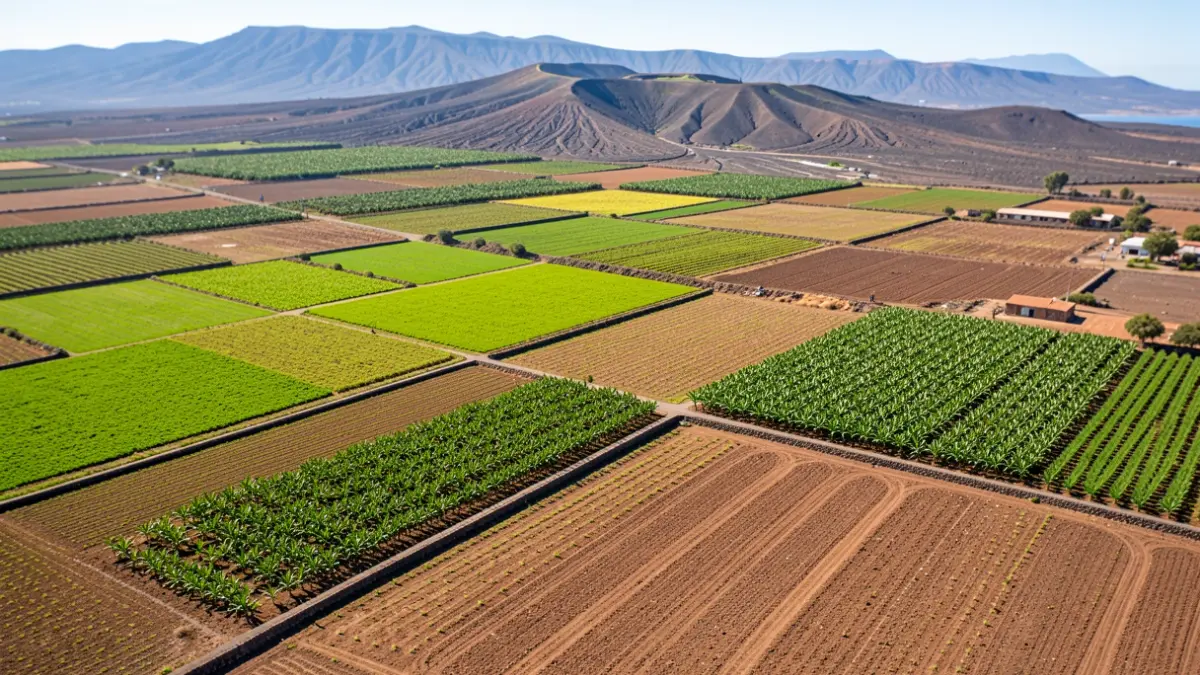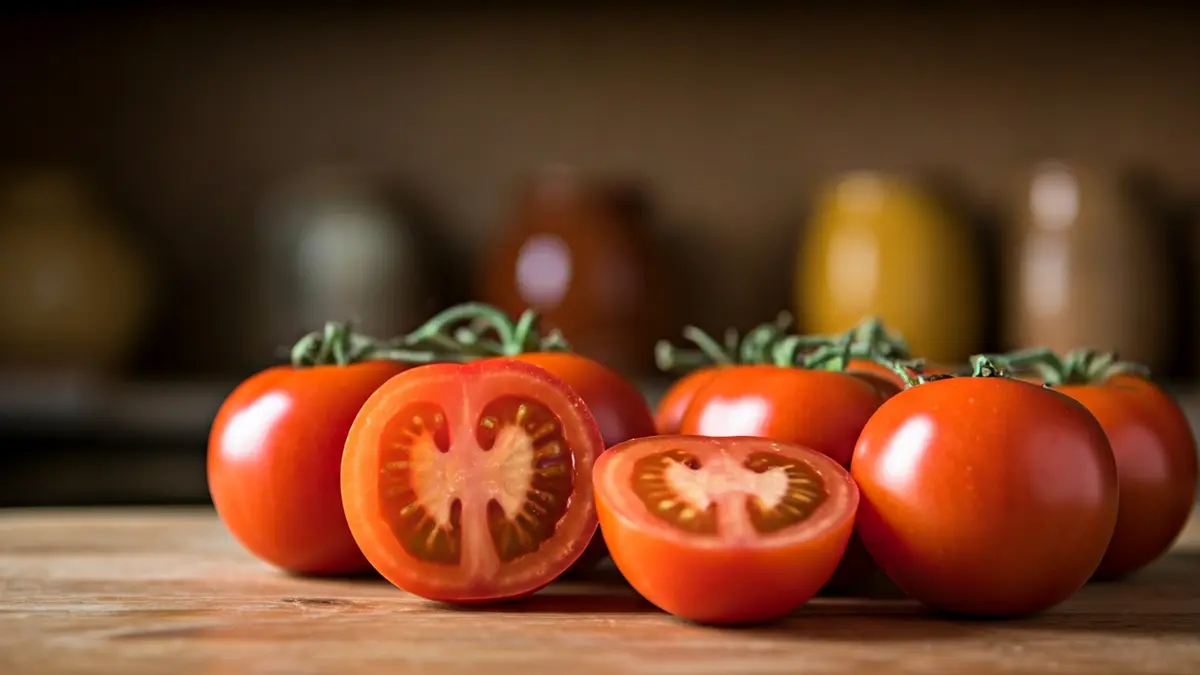
In the past, tomatoes from the Canary Islands were renowned for their intense aroma and deep flavor, a characteristic that is now hard to find. This transformation is not due to a single cause but a combination of factors spanning from the field to the consumer's table, impacting a product that was once a livelihood and a defining feature of the archipelago's landscape.
For decades, the tomato represented the heartbeat of Canarian agriculture and foreign trade, supporting numerous families. Official statistics from the Government of Canarias still reflect the historical importance of its cultivation and commercialization. Therefore, the statement that “the tomato no longer tastes like tomato” is not an exaggeration but an expression of nostalgia and a longing for a lost flavor.
The decline in flavor began when cultivation prioritized resistance and commercial aesthetics over organoleptic qualities. Research into tomato quality has shown that flavor depends not only on sugar or acidity but also on essential aromatic compounds. The Canarian Institute of Agrarian Research (ICIA) has worked on improving traditional Canarian varieties, such as Manzana Negra, with the aim of recovering the distinctive quality that has diminished.
Today's tomatoes are often designed to last longer rather than to excite.
From harvesting to reaching the consumer, factors such as transport, storage, time, and cold temperatures negatively affect the aroma and flavor of the tomato. Technical and university reports agree that low-temperature storage and premature harvesting impair optimal development, resulting in a product that, while visually perfect, lacks the aromatic experience that once defined it.
Furthermore, Canarias has lost its dominant position in the tomato market. The decline of the local agricultural sector has been exacerbated by pressure from other producers. According to the 2024 fresh tomato report from the Ministry of Agriculture, Morocco was Spain's main supplier, with a 37.8% share. This data illustrates a market increasingly dependent on imported products and less sustained by the historical strength of local tomatoes.
Despite these challenges, hope remains. There are still farmers, farms, and research initiatives, such as those by the ICIA, working to preserve and restore value to Canarian tomato varieties. As consumers, it is crucial to reconsider the origin and seasonality of products to support the recovery of authentic flavor and the sustainability of local agriculture.