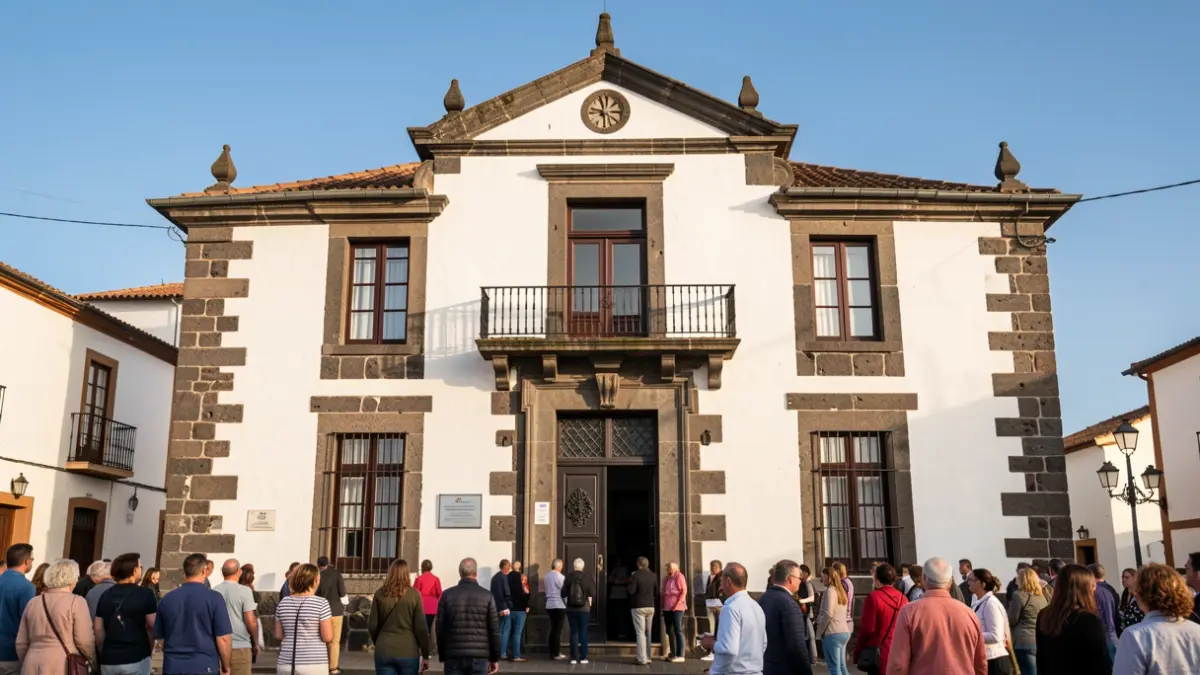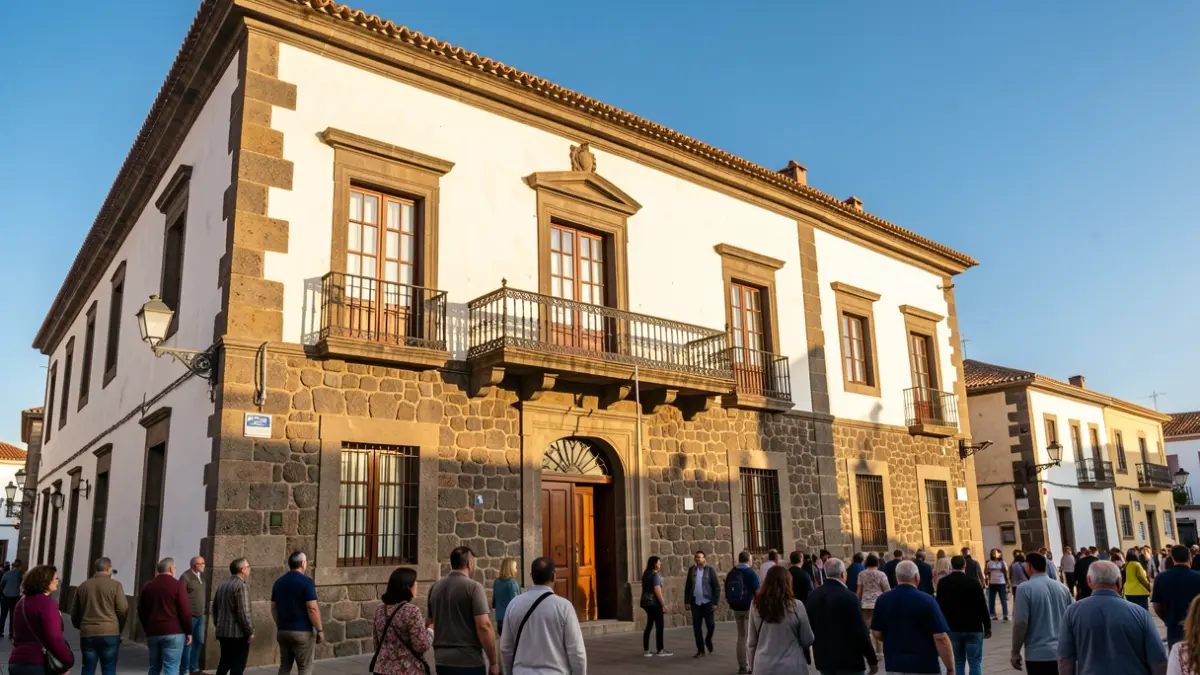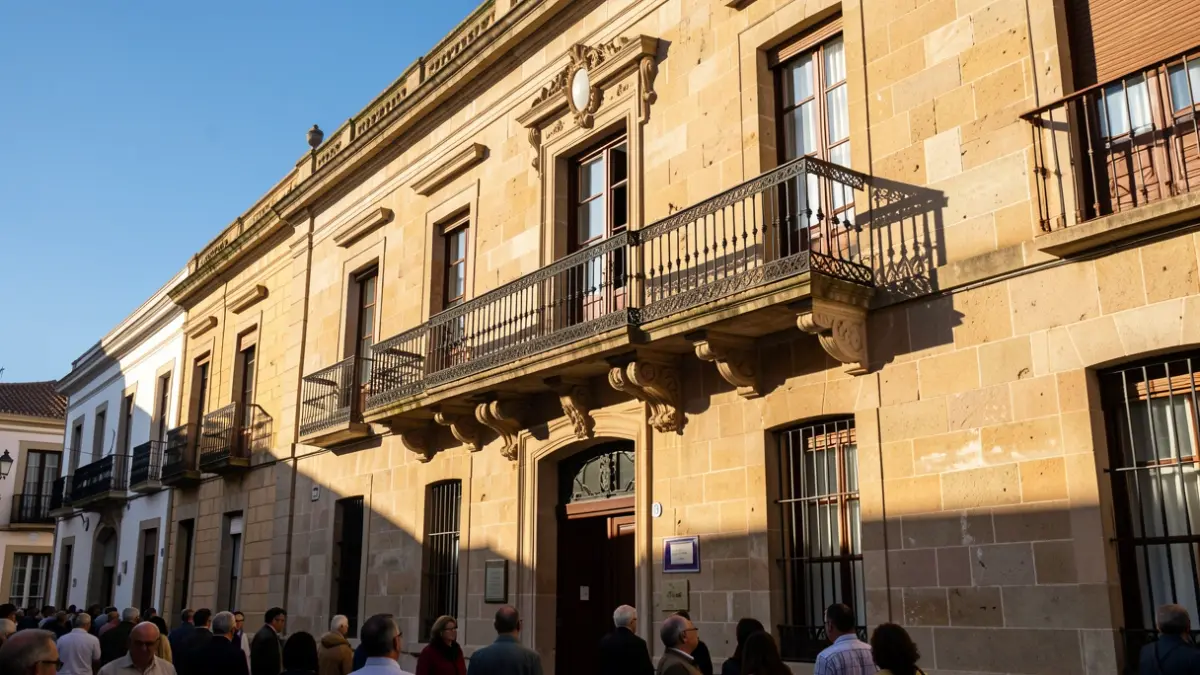
Coalición Canaria held its Gran Canaria Island Convention this Saturday with the dual aim of presenting the conclusions from the «Gran Canaria Needs You» participation process and projecting political strength for the 2027 elections and the reunification of nationalism on the island.
The day began with a remembrance of the earthquake victims and its devastating consequences for Venezuela and its citizens. The national general secretary of Coalición Canaria, David Toledo, opened the event by conveying condolences for the passing of the Director General of Equality, Ana Brito, and the delegate of the Canary Islands Government in Venezuela, Isabel Jara, also expressing the party's concern for the South American country's situation.
Toledo recalled that the «Canarias te necesita» (Canary Islands Needs You) project, initiated in 2022, was born as an active listening process with various social sectors to build the organization's electoral program. Midway through the legislative term, this process has been reactivated to report on work done and gather new citizen proposals.
The nationalist leader emphasized that a key conclusion from this process is the need to advance towards a unified nationalist political movement that will increase Canary Islands' influence in Madrid and continue to win «spaces of rights and freedoms». He cited the State's response to the migratory crisis and the management of the Hantavirus outbreak on the MV Hondius as examples, situations that, he asserted, highlight the necessity of strengthening the Archipelago's voice.
The insular secretary of Coalición Canaria in Gran Canaria, Pablo Rodríguez, presented the results of six months of meetings with social, professional, and citizen groups from across the island, structured around six main areas: housing, care policies, youth, economic diversification, mobility, and territorial model.
Rodríguez stated that Coalición Canaria is the «only political organization» to have undertaken an active listening process of this nature in Gran Canaria. As a result of this work, the organization now possesses «a plan for Gran Canaria» and a team of new political leaders who, in his view, represent the generational shift in nationalism on the island.
«We are prepared», declared Rodríguez, reinforcing the idea that the organization is experiencing its strongest political moment in Gran Canaria. The nationalist leader maintained that the party is ready to face two major challenges: the convergence of Canarian nationalism and the municipal, insular, and autonomous elections in May 2027.
He explained that the organization's growth is reflected in the increase of members, public officials, and local committees, now present in all 21 municipalities on the island, alongside a convention that gathered over 600 participants. Rodríguez insisted that the ultimate goal is not only to strengthen Coalición Canaria electorally but also «to improve the lives of the people of Gran Canaria and contribute to improving the lives of all Canarians».
Regarding the main demands identified during the participatory process, Rodríguez placed housing as the primary concern of the citizenry. He acknowledged that this is a problem shared across Canary Islands, Spain, and much of Europe, but with a particularly significant incidence in the islands.
Alongside housing, he identified mobility as another major challenge for the island, advocating for progress on projects like the Gran Canaria train, improving the bus system, and optimizing the island's main road corridors.
The third identified priority is care policy, given the aging population and the need to strengthen support for the elderly and dependent through coordination between municipalities, the Cabildo, the Canary Islands Government, and the State.
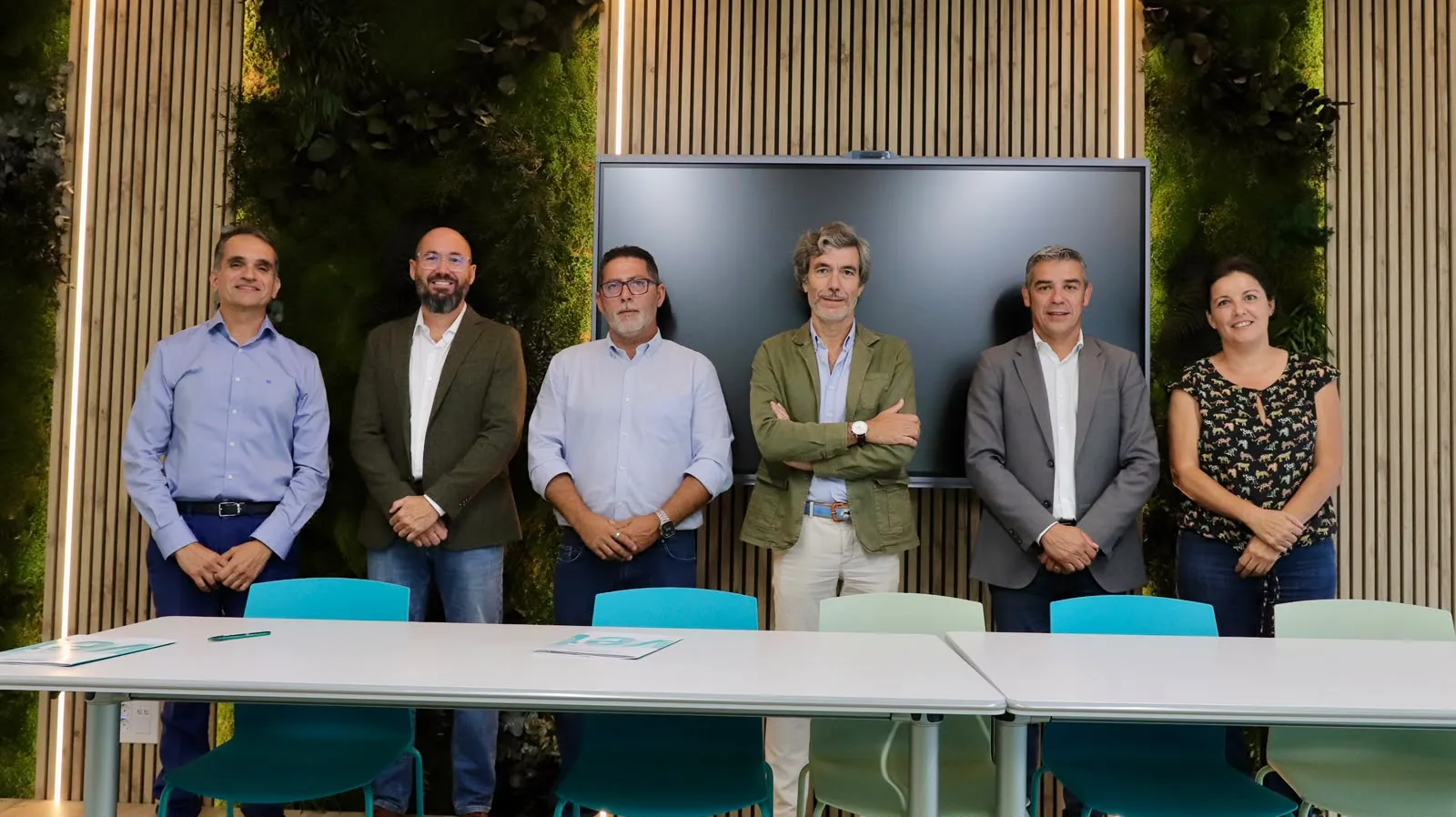
Rodríguez also addressed the integration process with Primero Canarias, officially initiated in Arucas following the signing of the first agreement between the two organizations. The insular secretary described this pact as a «historic» moment for Gran Canarian nationalism and announced that discussions are already underway in San Bartolomé de Tirajana, with La Aldea de San Nicolás potentially being the next municipality.
His aspiration is to reach agreements in all 21 municipalities of Gran Canaria, as well as in the Cabildo and the Parliament of the Canary Islands, although he admitted the process will always depend on mutual understanding between the two organizations. Unlike previous political integration processes, Rodríguez argued that this convergence is being built «from the bottom up», based on agreement among local bases before party leaderships.
«What is at stake is not just the May 2027 elections, but the future of the next decade for Gran Canaria and for the Canary Islands», he concluded.