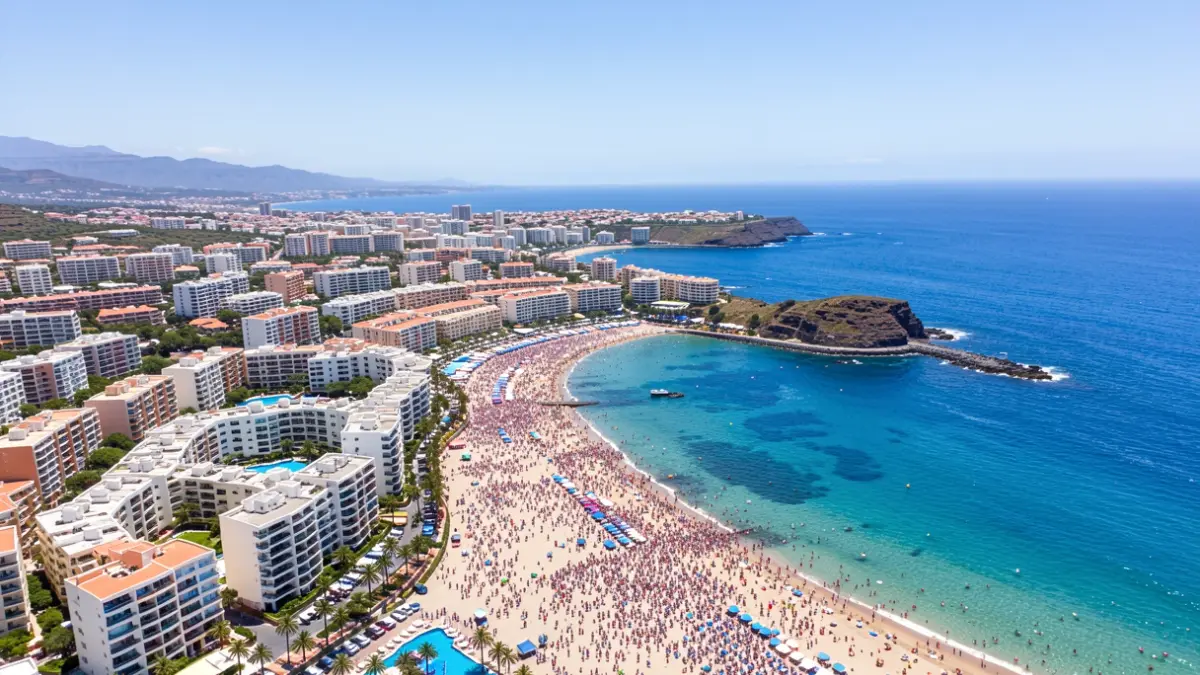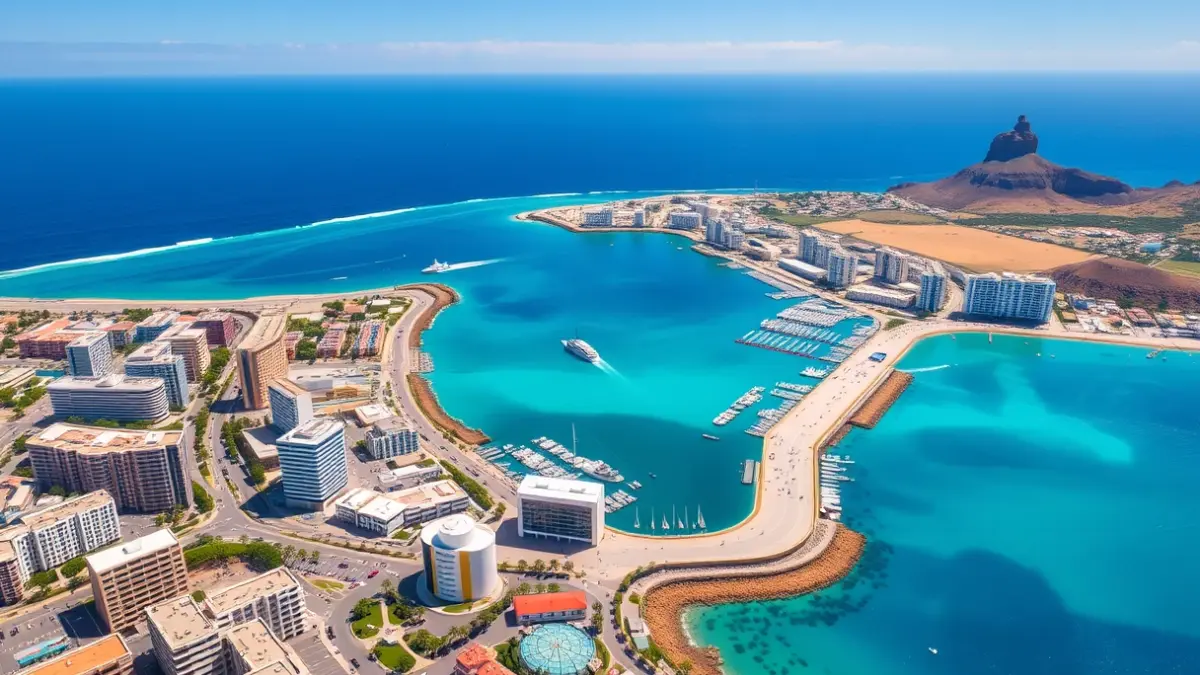
According to recent data, projected occupancy for July stands at 82% and for August at 84%, with June reaching 74%. This growth is primarily attributed to increased air connectivity, which is set to rise between 6% and 9% compared to summer 2023, a year that already set records.
This boost in connectivity translates into new routes linking the island with destinations such as Seville, Billund (Denmark), Bergen (Norway), and German cities like Hannover, Cologne, and Bremen. In total, Gran Canaria will be connected to 116 airports in 28 countries. Furthermore, new connections for winter 2026-2027 with Toulouse and Marseille in France have already been announced.
“"We have transitioned from being a destination that only offered sun and beach to being a multi-product destination."
This success is the result of a diversification strategy that has transformed Gran Canaria into a multi-product destination, moving beyond traditional sun and beach offerings. The current focus aims to increase in-destination spending and the quality of the tourist offering, leading to a 5.6% growth in first-quarter revenue, with an average daily rate (ADR) of 153.66 euros, up 5.82%.
The island's tourism model does not involve creating new accommodation, as it is believed that with 5 million annual tourists, the island is near its optimal capacity. The strategy focuses on renovating existing lodging facilities and decentralizing tourism so that benefits reach all 21 municipalities on the island. This has boosted sectors like gastronomy, which has seen a 66% increase in revenue in non-tourist municipalities.
“"Not putting all eggs in one basket."
Market diversification is another key strength, providing greater resilience. While traditional markets like the British, German, and Nordic continue to be important, others such as the French market are experiencing strong growth, with a 65% increase in the first quarter. Additional factors, such as the only Xacobean route outside the continent and major events like the 2030 World Cup, also contribute to the island's appeal. The upcoming visit of Pope Leo XIV in June is already boosting bookings for that month, with an anticipated occupancy of 76%, two points higher than last year.